
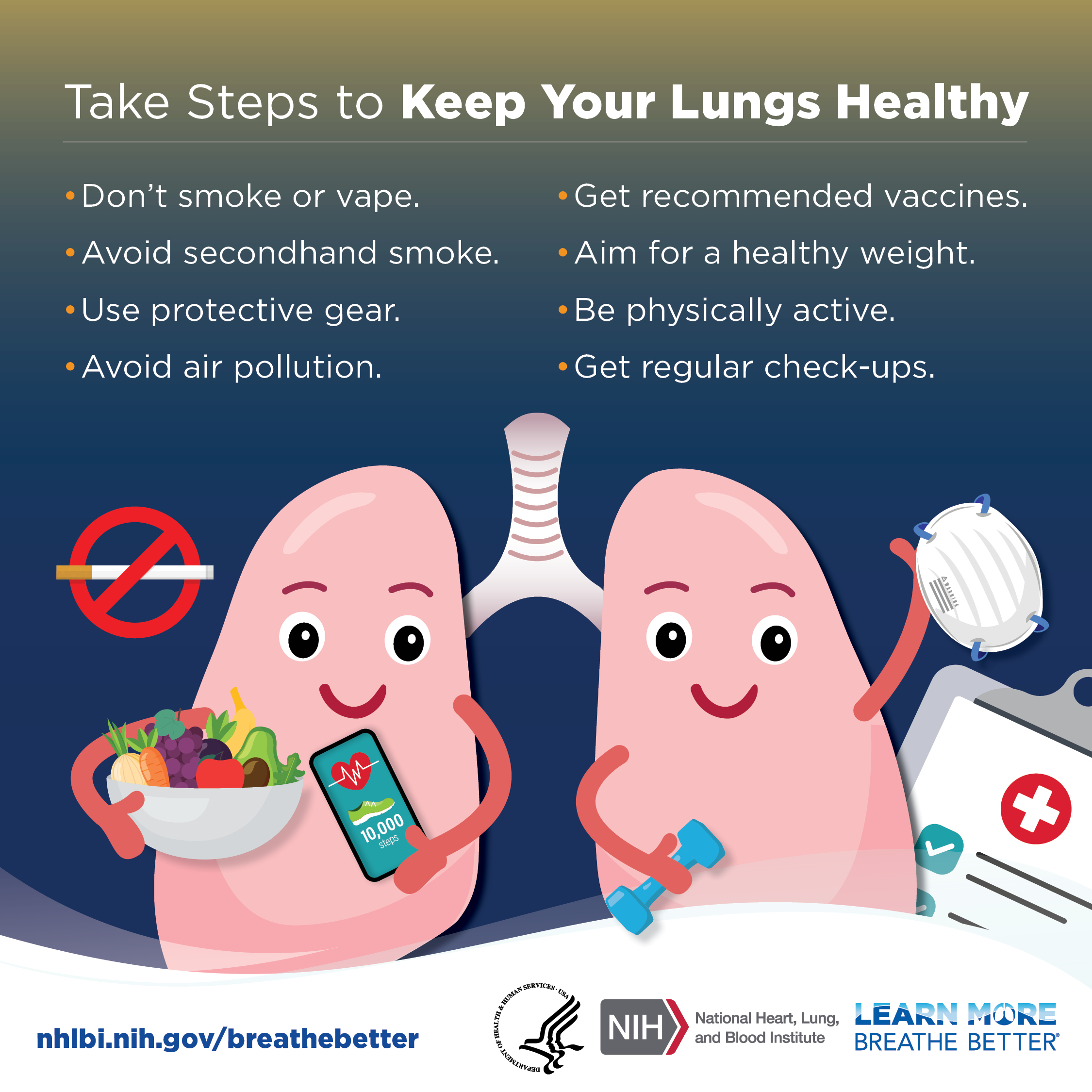
Medical experts and public health organizations continue to emphasize that smoking poses a major threat to lung health, remaining one of the primary preventable causes of chronic respiratory diseases and mortality worldwide. Despite decades of awareness campaigns, tobacco consumption continues to take a devastating toll on individuals and healthcare systems across the globe, destroying delicate respiratory tissues and diminishing overall quality of life.
The harmful effects of tobacco smoke on the respiratory system are well documented through decades of clinical observation and scientific research. When individuals inhale cigarette smoke, they expose their lungs to thousands of toxic chemicals, including tar, carbon monoxide, and various known carcinogens. Over time, these toxic substances damage the cilia—the tiny, hair-like structures responsible for sweeping away dust and mucus—leading to chronic inflammation, destruction of the air sacs, and a significantly increased risk of developing chronic obstructive pulmonary disease, bronchitis, and various forms of cancer.
Recent medical discussions and ongoing research have further highlighted that the negative impacts of smoking extend far beyond immediate respiratory irritation, often remaining latent for years before manifesting as severe disease. Health professionals frequently point out that even seemingly healthy individuals can harbor underlying pulmonary damage caused by long-term tobacco use or exposure to secondary smoke. Furthermore, comparative studies involving alternative smoking methods, such as hookahs and electronic devices, indicate that no form of tobacco consumption is truly safe, as each introduces harmful compounds directly into the delicate lung tissue.
Looking ahead, medical professionals stress that prioritizing cessation programs and early screening initiatives will be crucial in reducing the global burden of respiratory illness. Public health strategies increasingly focus on educating younger populations about the dangers of tobacco while supporting current smokers through evidence-based cessation therapies. As ongoing research continues to explore how quickly human lungs can begin repairing themselves after a person quits smoking, healthcare advocates remain hopeful that enhanced awareness will drive down smoking rates and improve long-term survival outcomes for millions worldwide.
Follow us on X (Twitter) for more updates.