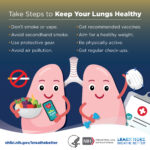

When it comes to cardiovascular well-being, many individuals who smoke believe that cutting back significantly reduces their physical risks. A common belief persists that consuming merely one single tobacco stick daily is a harmless habit compared to a full pack. However, recent medical inquiries and cardiology insights suggest that even minimal exposure to tobacco smoke poses substantial dangers to the circulatory system. Understanding the physiological consequences of low-intensity tobacco consumption is crucial for anyone striving to maintain long-term physical wellness and prevent unexpected medical emergencies.
Medical experts have consistently pointed out that there is no completely secure threshold for tobacco intake when it comes to vascular integrity. Even a single stick per day carries a surprisingly high risk of cardiovascular disease and stroke. The chemicals inhaled through combustion immediately affect blood vessels, promoting inflammation and increasing the likelihood of dangerous clots. This challenges the widespread misconception that reducing consumption to a solitary daily cigarette is enough to protect the cardiovascular system from severe harm.
Maintaining robust cardiovascular function requires a comprehensive approach to lifestyle choices, diet, and physical activity. Public health initiatives frequently emphasize preventive measures, ranging from community walkathons and awareness campaigns to advanced wearable technology designed to monitor vital signs. Furthermore, medical professionals continually stress that physical appearance can be entirely deceptive regarding internal physiological condition, meaning even athletic individuals must remain vigilant about their circulatory well-being through routine medical checkups and healthy daily habits.
Ultimately, achieving optimal cardiovascular wellness involves eliminating known hazards entirely rather than simply moderating them. Healthcare providers recommend complete cessation of tobacco use to reverse potential damage and significantly lower the probability of future cardiac incidents. By addressing underlying stress factors, maintaining an active lifestyle, and prioritizing regular screenings, individuals can take meaningful steps toward safeguarding their most vital organ for the years ahead.