Garlic Benefits Heart: Best Natural Cholesterol Remedy
In a world where cardiovascular disease remains the leading cause of death globally, people are increasingly turning to nature’s pharmacy for solutions. Among the most powerful natural remedies available, garlic stands out as a time-honored champion for heart health. The simple instruction—Eat two raw cloves daily—check bad cholesterol, strengthen heart—carries profound scientific weight. When we say garlic benefits heart, we are not repeating folklore; we are confirming what modern research has repeatedly demonstrated: this pungent bulb is one of the most effective natural strategies for managing cholesterol and supporting cardiovascular wellness.
The Science Behind Garlic and Heart Health
The secret lies in a sulfur-containing compound called allicin. When you crush, chop, or chew a garlic clove, an enzyme reaction produces allicin, which gives garlic its characteristic aroma and most of its medicinal properties. Allicin is a potent antioxidant that works on multiple fronts to protect the heart. It prevents the oxidation of low-density lipoprotein (LDL), commonly known as bad cholesterol. Oxidized LDL is particularly dangerous because it sticks to artery walls, triggering inflammation and plaque buildup—the precursor to atherosclerosis, heart attacks, and strokes. By stopping this oxidation process, garlic helps keep arteries flexible and clear.
How Garlic Lowers Bad Cholesterol
Clinical studies have shown that regular consumption of garlic can reduce total cholesterol and LDL levels by 5 to 15 percent. While these numbers may seem modest compared to statin drugs, the holistic benefits of garlic extend far beyond cholesterol numbers. Garlic benefits heart not only by lowering LDL but also by raising high-density lipoprotein (HDL), the good cholesterol that helps remove excess cholesterol from the bloodstream. This dual action makes garlic a balanced natural remedy for lipid management.
Beyond cholesterol, garlic also helps lower blood pressure—another major risk factor for heart disease. Allicin stimulates the production of nitric oxide, which relaxes blood vessels, improves blood flow, and reduces arterial stiffness. A 2016 meta-analysis of randomized controlled trials concluded that garlic supplements significantly reduce both systolic and diastolic blood pressure in people with hypertension, with effects comparable to some prescription medications.
The Allicin Mechanism: Preventing LDL Oxidation
The most critical mechanism by which garlic benefits heart is through its antioxidant power. LDL cholesterol is not inherently harmful; it becomes dangerous only when it is oxidized by free radicals. Oxidized LDL penetrates the endothelial lining of arteries, attracting immune cells that form foam cells—the building blocks of arterial plaque. Garlic’s allicin and other sulfur compounds, such as S-allyl cysteine, neutralize free radicals before they can damage LDL particles. They also boost the body’s own antioxidant enzymes, creating a protective shield for your cardiovascular system.
Why Fresh Garlic Is Superior
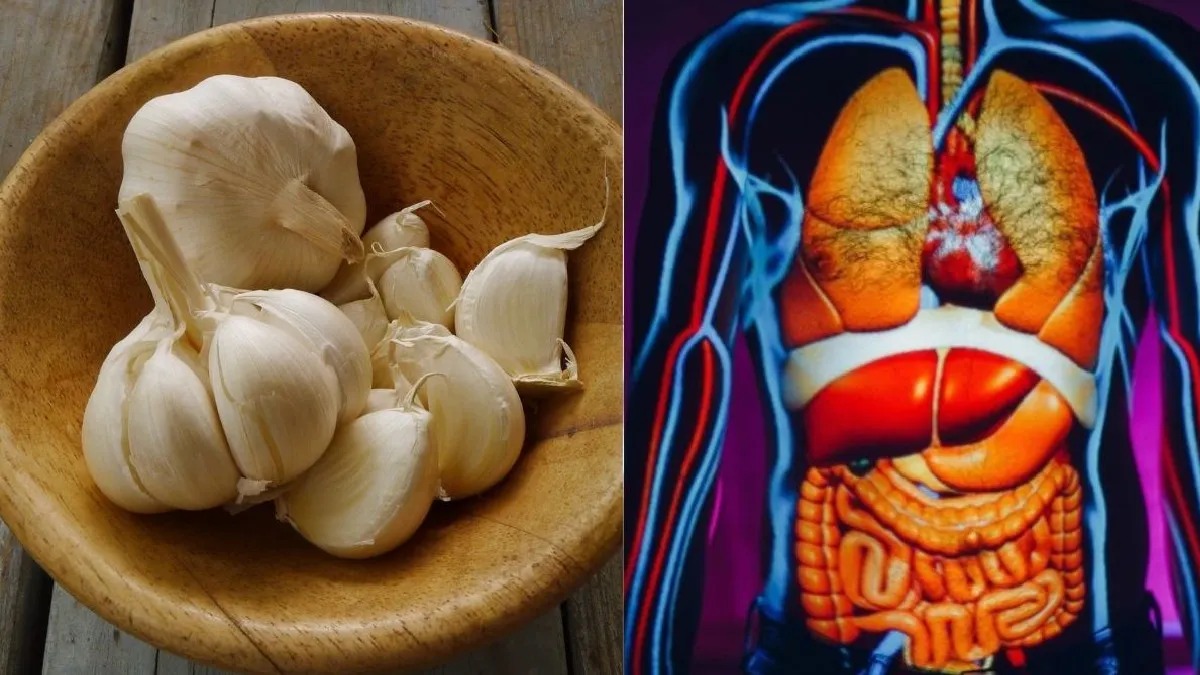
While garlic supplements are available, whole fresh garlic provides the most reliable benefits. The key is to crush or slice the clove and let it sit for 10 minutes before consuming. This waiting period allows allicin to fully form. Heating garlic immediately after crushing destroys the allicin-producing enzyme, so if you cook garlic, let it rest first, then add it toward the end of cooking to preserve its medicinal properties. Eating two raw cloves daily—the recommendation from traditional wisdom—is an effective dose for most adults. If the taste is too strong, you can mix crushed garlic with honey, lemon juice, or olive oil, or add it to salad dressings and dips.
Beyond Cholesterol: Additional Heart Benefits
The phrase garlic benefits heart encompasses more than cholesterol management. Regular garlic consumption has been linked to reduced platelet aggregation, meaning it helps prevent blood clots that can cause heart attacks and strokes. It also has anti-inflammatory properties that reduce the chronic low-grade inflammation underlying many cardiovascular diseases. Furthermore, garlic supports healthy homocysteine levels—an amino acid that, when elevated, damages artery walls. Through these multiple pathways, garlic offers comprehensive protection for your heart.
Practical Tips for Daily Consumption
Incorporating garlic into your daily routine does not require drastic changes. Start your day with a clove of crushed garlic mixed into warm water or a tablespoon of olive oil. Add generous amounts of minced garlic to soups, stews, stir-fries, and roasted vegetables. For those concerned about garlic breath, chewing fresh parsley, mint leaves, or fennel seeds after eating helps neutralize odor. The key is consistency—sporadic use will not deliver the sustained benefits that daily intake provides.
Safety, Dosage, and Precautions
For most people, eating one to two raw cloves daily is safe and effective. However, garlic can thin the blood, so if you take anticoagulant medications like warfarin or aspirin, consult your doctor before significantly increasing your intake. Similarly, people undergoing surgery should avoid high-dose garlic for two weeks prior. Pregnant women and those with digestive issues may start with smaller amounts. As with any natural remedy, garlic benefits heart best when used as part of an overall healthy lifestyle—balanced diet, regular exercise, stress management, and avoidance of smoking.
Conclusion: A Simple, Powerful Step for Heart Health
The evidence is clear: when we say garlic benefits heart, we are describing a scientifically validated natural therapy. By eating two raw cloves daily, you can check your bad cholesterol, strengthen your cardiovascular system, and reduce your risk of heart disease. The allicin in garlic prevents LDL oxidation, lowers blood pressure, improves circulation, and provides antioxidant protection—all without the side effects of synthetic drugs. While modern medicine has powerful tools, nature’s own remedies, like garlic, remain invaluable allies. Make this humble bulb a daily part of your routine, and let it work quietly to safeguard your most vital organ. Your heart will thank you for it.