In New Delhi, the atmosphere has grown tense ahead of the next Parliament session after the Union Government issued sharp remarks about the stalled delimitation talks. Government officials say they repeatedly invited the principal opposition party to join multi‑party consultations on the upcoming territorial constituency reorganisation, but the party allegedly boycotted every outreach attempt. The boycott, officials claim, undermines democratic dialogue.
Delimitation Talks Highlight Political Rift
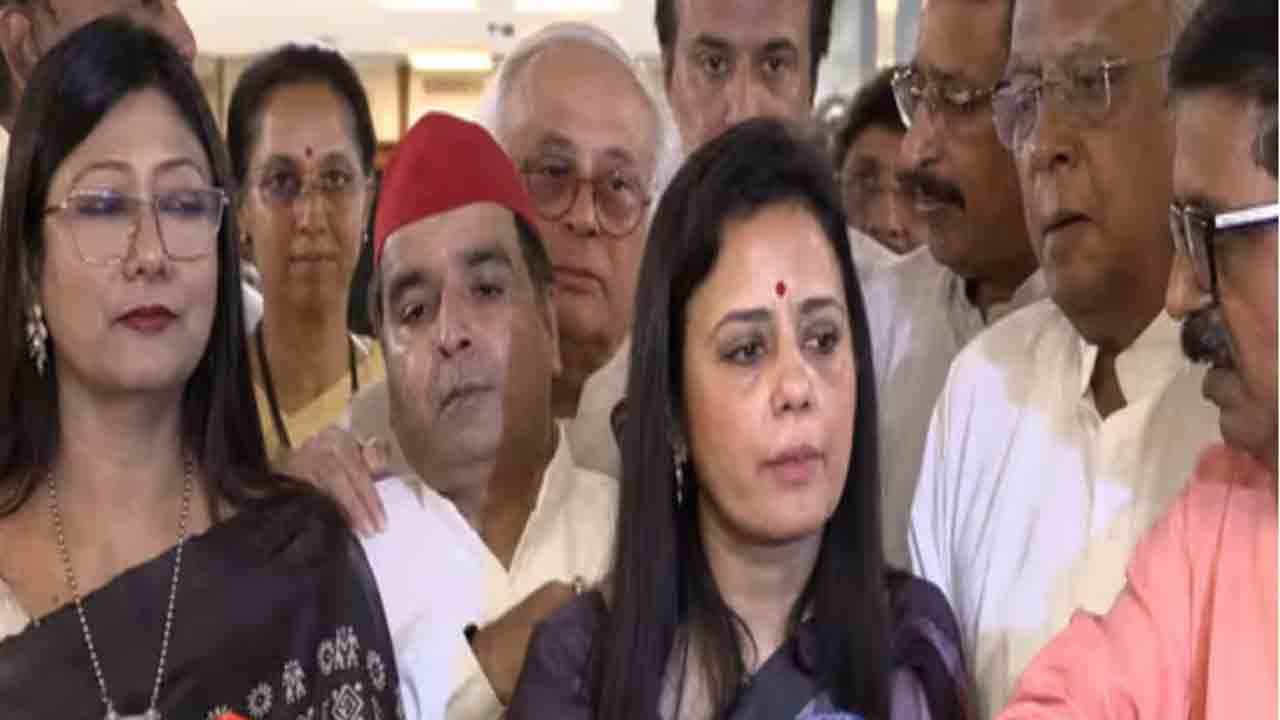
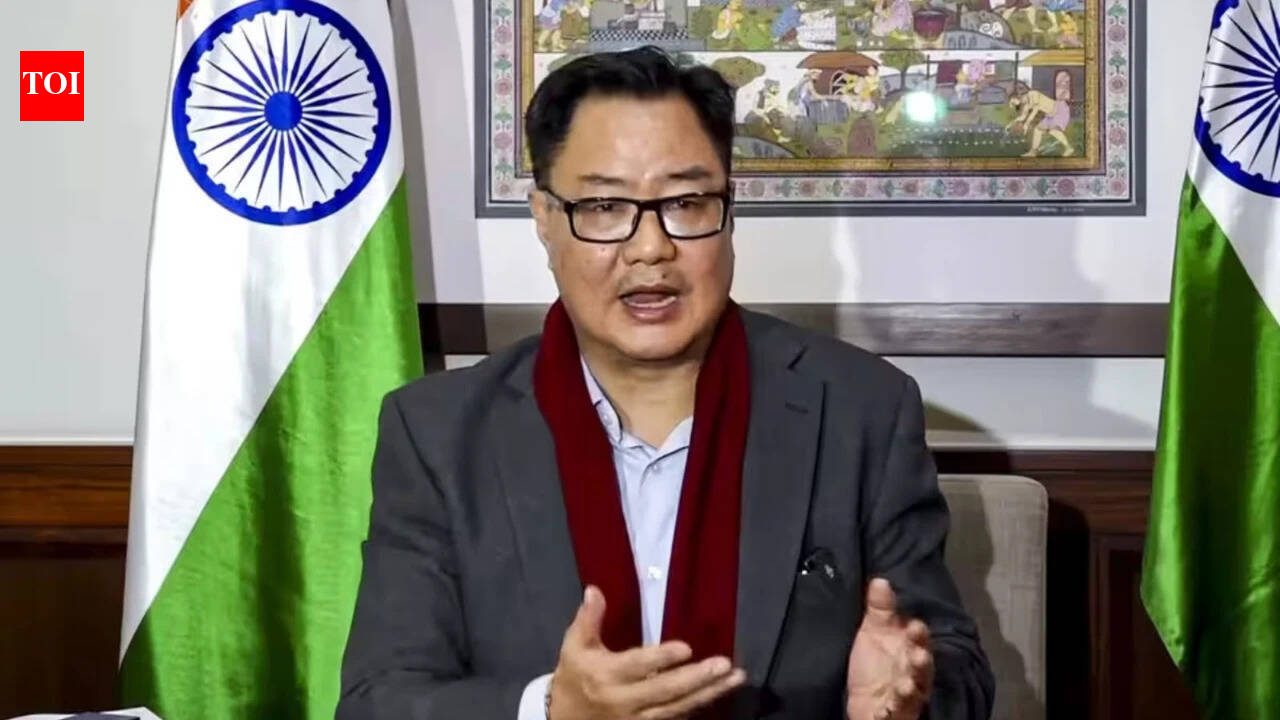
Union Minister Kiren Rijiju led the critique, accusing the Grand Old Party of ignoring several invitations meant to forge a bipartisan consensus on the sensitive governance issue. While the centre succeeded in drawing regional heavyweights such as the Dravida Munnetra Kazhagam, the Samajwadi Party and the Nationalist Congress Party into its dialogue, Congress’s absence drew sharp rebukes. Their silence, they argue, hampers national consensus building.
Officials emphasised that despite exhaustive attempts to bridge divides and ensure inclusive planning, the refusal to cooperate has exposed deep partisan rifts over the legislative roadmap. The delimitation exercise, aimed at recalibrating parliamentary constituencies based on demographic shifts, historically triggers intense regional anxieties about representation and federal balance, especially in southern states wary of losing clout to the north. Such tensions risk delaying the final delimitation report.
Also Read:
- Indian politics: How Raag Darbari Explains
- Parliament Passes Transgender Persons Amendment Bill
- Nageshwar Rao: Becomes Sarvajana Sanatan Party Chief
All eyes now turn to the forthcoming Parliament session, where the government is expected to outline its next steps on constituency realignment. Observers will watch whether opposition parties can mount a unified floor strategy or if negotiation space remains limited. The outcome will test the ruling dispensation’s ability to manage legislative affairs amid heightened acrimony and safeguard regional interests. Future negotiations may hinge on these parliamentary debates.