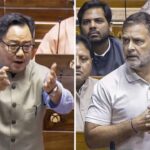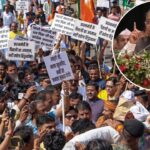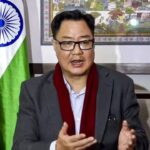
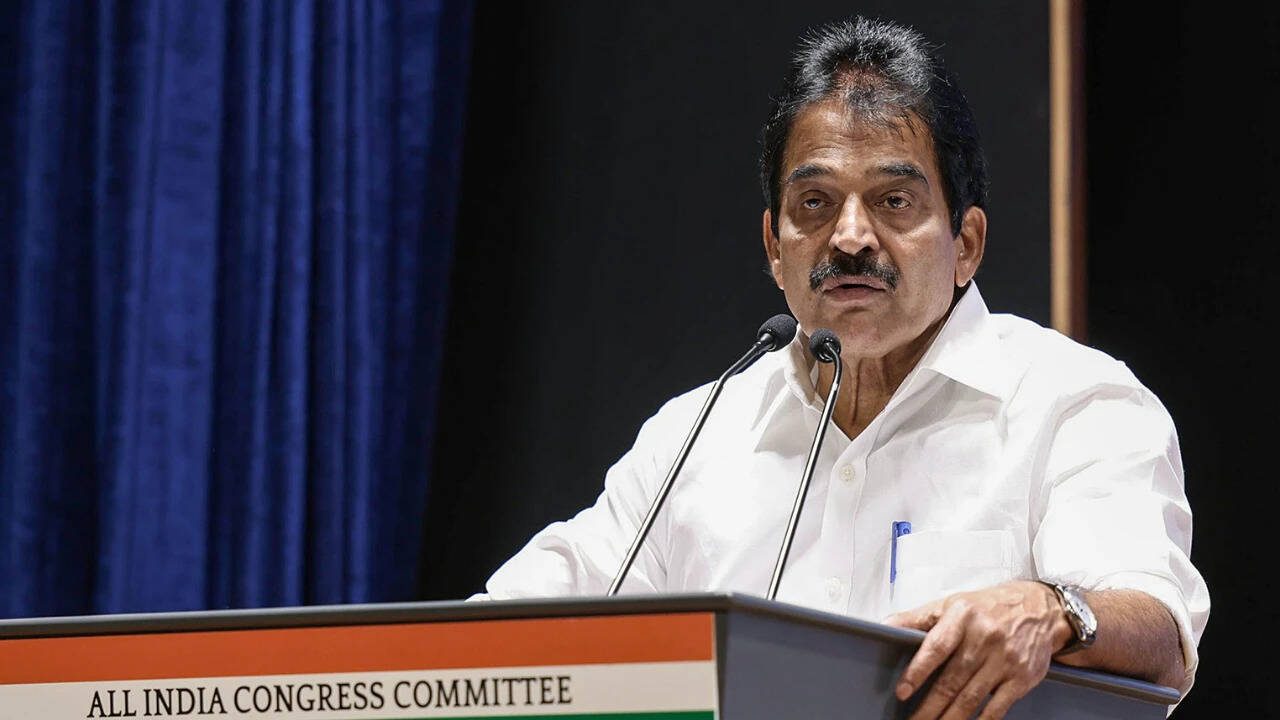
Recent political tensions escalated sharply at the national level as ruling party representatives launched a fierce critique against opposition factions over controversial parliamentary demonstrations and symbolic protests. The ruling camp accused rival political groups of undermining democratic institutions and disrespecting legislative bodies through theatrical performances rather than engaging in substantive policy debates. These sharp exchanges follow a series of contentious events, including mock legislative sessions and coordinated rallies organized by coalition partners outside traditional governance forums.
BJP criticises opposition mock parliament
According to senior leaders of the ruling formation, the opposition coalition consistently fails to produce credible evidence to substantiate its ongoing claims and allegations against constitutional authorities. The governing party argued that conducting parallel mock proceedings and symbolic impeachment drives against high-ranking election officials represents a calculated conspiracy designed to mislead the public. Furthermore, the political establishment condemned these demonstrations as direct attacks on democratic norms, suggesting that such actions reflect poorly on the maturity and responsibility expected of major political actors in a functioning democracy.
This ongoing friction highlights the deep ideological polarization currently characterizing national politics, where legislative decorum is frequently sidelined by theatrical displays of dissent. Analysts note that relations between the ruling alliance and opposition groups have deteriorated significantly over procedural disagreements and disputes concerning electoral oversight bodies. The escalation of rhetoric underscores a broader breakdown in bipartisan communication, making constructive consensus-building increasingly difficult within the nation’s primary legislative chambers and public squares. When parliamentary time is consumed by partisan theatrics and mutual accusations, critical economic policies, regional development initiatives, and legislative reforms often face severe delays. Voters in southern states closely monitor these national developments, as the outcomes of such political standoffs frequently influence federal funding allocations, administrative cooperation, and the overall stability of the central government.
Also Read:
- Indian Opposition: Massive Rally Protests Voter Roll Changes, What Are Officials Doing?
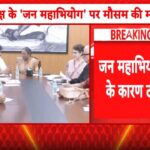
- INDIA bloc: Postponed event due to rain, what will the emergency press conference reveal?
- Bay of Bengal system: intensifies into depression, but when will it hit land?
Looking ahead, political observers will closely watch how both sides manage their parliamentary strategies during upcoming legislative sessions and public mobilization campaigns. Future developments are likely to center on whether opposition parties will present formal documentation for their assertions or continue pursuing symbolic protests that provoke sharp retaliatory measures from the ruling establishment. The public will also observe if regional leaders in southern states react to the national polarization, potentially altering electoral dynamics ahead of upcoming political milestones across the country.

Prashanth is the editor of PakkaFilmy. He covers Telangana and Andhra Pradesh politics, Telugu and Indian cinema, sports, technology and useful public-interest news in clear, simple English. Every story is checked against available official information before publishing, as set out in our Editorial Policy. Follow PakkaFilmy on X: https://x.com/pakkafilmy007 | Telegram: https://t.me/pakkafilmytelugu | Instagram: https://instagram.com/pakkafilmy_
Related Posts