Political Parties: 72 Percent of in Telangana and AP Are Unregistered
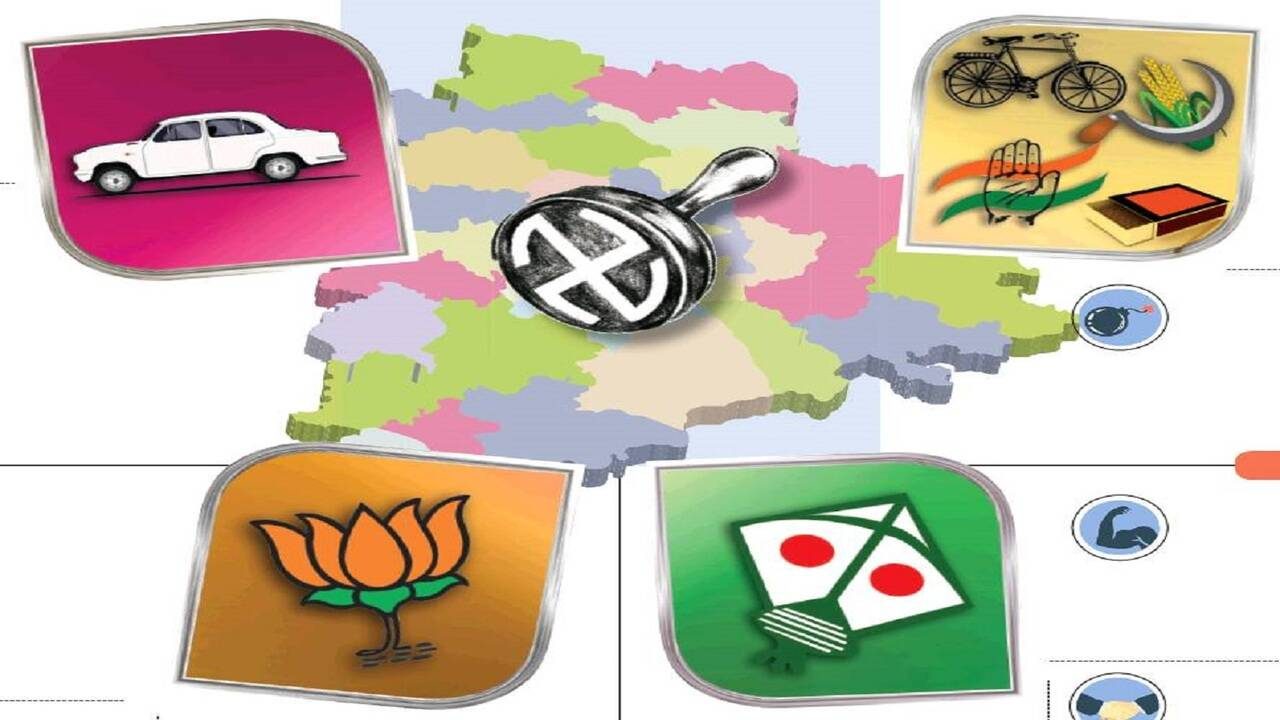
Recent findings concerning the landscape of regional governance in southern India have revealed a striking statistic regarding organizations participating in democratic processes. A comprehensive report recently highlighted that nearly three-quarters of the civic groups operating in the states of Telangana and Andhra Pradesh lack official registration status. This disclosure sheds light on the complex web of associations attempting to influence public opinion and electoral outcomes across the region, sparking discussions among observers regarding transparency and oversight within the local democratic framework. Delving deeper into the findings, the report indicates that a staggering 72 percent of these entities function without formal recognition from election authorities. The phenomenon of unregistered associations underscores broader trends seen in various jurisdictions, where numerous fringe outfits emerge to contest elections or sway voters despite lacking formal credentials. Observers note that the proliferation of such bodies often parallels discussions about substantial financial flows, including large donations and institutional funding directed toward lesser-known groups operating outside mainstream regulatory structures.
Political Parties 72 Percent Telangana
The existence of numerous unrecognized factions operating in local arenas presents ongoing challenges for electoral management bodies responsible for ensuring fair and transparent competition. Across the country, the proliferation of fringe entities has long drawn scrutiny from analysts who study the mechanics of democratic participation and campaign finance. While established organizations must adhere to strict reporting guidelines and statutory requirements, unregistered groups often bypass these measures, creating an uneven playing field for recognized contenders and complicating the task of monitoring expenditures during intense electoral cycles.
For citizens and voters residing in Telangana, Andhra Pradesh, and throughout India, understanding the proliferation of unrecognized entities is crucial for making informed choices at the ballot box. When a significant portion of organizations seeking political influence operates without official registration, voters may find it difficult to ascertain who is funding these groups or what specific interests they represent. Greater transparency regarding the registration status and financial backing of all participating factions ultimately strengthens public trust in democratic institutions and ensures that governance remains accountable to the electorate.
As discussions surrounding transparency and electoral reform continue to evolve, stakeholders will be watching closely to see how election authorities address the regulatory loopholes that allow unregistered bodies to operate. Future policy measures may focus on tightening compliance requirements and enhancing public disclosure norms to bring greater clarity to the regional landscape. Citizens, researchers, and policymakers alike will monitor upcoming administrative decisions and legislative proposals aimed at curbing the influence of unrecognized entities in future democratic exercises.
Prashanth is the editor of PakkaFilmy. He covers Telangana and Andhra Pradesh politics, Telugu and Indian cinema, sports, technology and useful public-interest news in clear, simple English. Every story is checked against available official information before publishing, as set out in our Editorial Policy. Follow PakkaFilmy on X: https://x.com/pakkafilmy007 | Telegram: https://t.me/pakkafilmytelugu | Instagram: https://instagram.com/pakkafilmy_