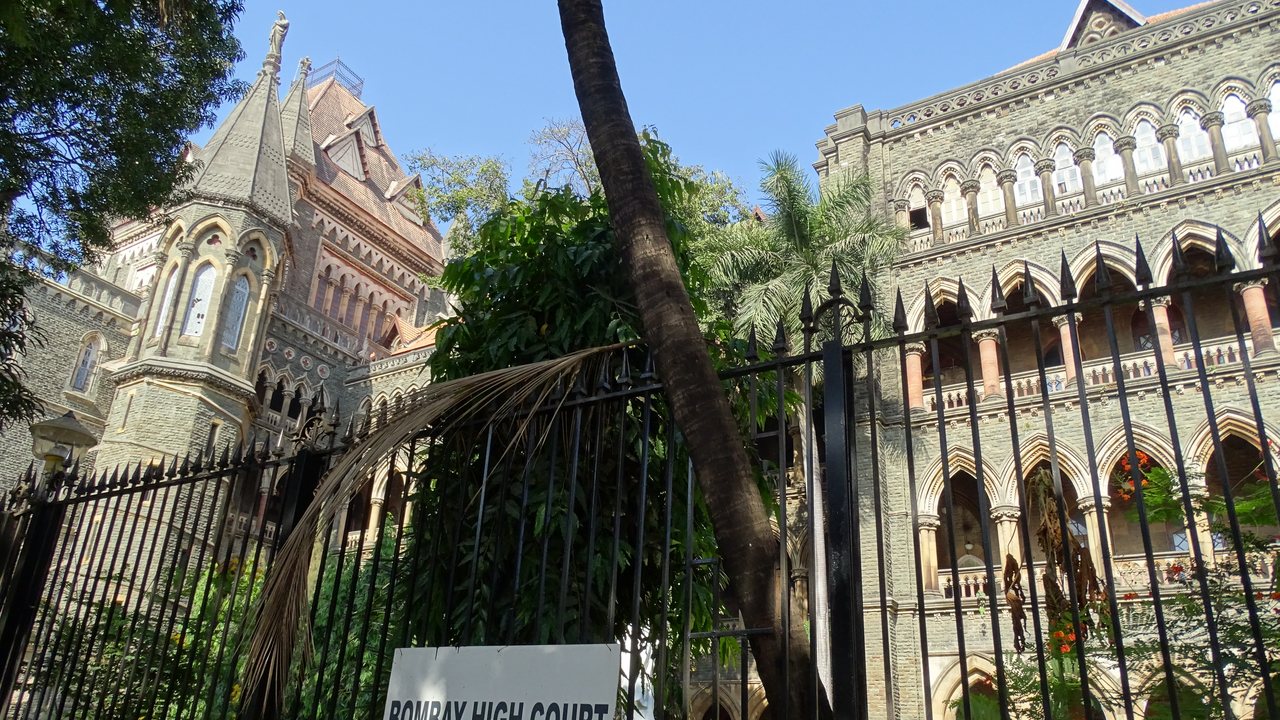
Why Tata Trusts Challenged N. Chandrasekaran’s Reappointment in High Court
The corporate corridors of Mumbai are witnessing an unprecedented legal standoff as Tata Trusts takes the unprecedented step of moving the Bombay High Court to challenge the reappointment process of Tata Sons Chairman N. Chandrasekaran. This unexpected escalation marks a dramatic shift in the dynamics between the philanthropic trusts that hold a massive majority stake in the holding company and the operational leadership running the sprawling global conglomerate. For Indian industry watchers, global institutional investors, and non-resident Indians (NRIs) tracking corporate governance in marquee Indian firms, this development opens up profound questions regarding board control, procedural transparency, and the delicate balance of power within the salt-to-software empire.
At the heart of this high-stakes judicial intervention lies a deep-rooted disagreement over governance protocols and institutional oversight. While Tata Sons operates as the commercial powerhouse driving major enterprises ranging from information technology and steel production to aviation and retail, Tata Trusts acts as the principal majority shareholder dedicated to philanthropic endeavours. The mechanism governing leadership renewals, tenure extensions, and executive appointments has historically been managed through structured internal consensus. However, the recent procedural steps undertaken for N. Chandrasekaran’s renewed tenure have seemingly triggered friction, compelling the philanthropic leadership to seek judicial clarity and review at the Bombay High Court.
Inside the Tata Trusts Legal Strategy
The decision to approach the judiciary rather than resolving matters within closed boardroom doors highlights the gravity of the dispute. Legal analysts note that corporate litigations involving promoter entities and holding boards are exceedingly rare within the Tata ecosystem, which has traditionally prided itself on institutional stability and ethical legacy. By challenging the reappointment process in a formal court setting, Tata Trusts is signaling a strict adherence to corporate compliance, statutory regulations, and the foundational trust deeds that dictate how executive power is delegated and monitored.
For market participants and corporate governance experts, this legal challenge sets a crucial precedent for how legacy conglomerates manage internal leadership transitions. The core contention does not merely revolve around an individual’s capabilities—given the conglomerate’s notable economic expansion and market capitalization growth under current leadership—but rather focuses on the adherence to due process, voting thresholds, and consultative mandates. As the Bombay High Court prepares to examine the petition, corporate legal teams across the nation are watching closely to see how judicial scrutiny applies to internal governance frameworks of unlisted parent holding companies.
Aspect
Tata Trusts Perspective
Tata Sons Position
Primary Role
Majority shareholder and philanthropic custodian
Operating holding company managing group firms
Core Grievance
Procedural transparency and governance protocols
Operational continuity and strategic growth focus
Legal Action
Challenging reappointment process in High Court
Defending board decisions and corporate compliance
Impact on Global Investors and NRIs
For global investors and the Indian diaspora holding investments across listed Tata entities such as Tata Consultancy Services, Tata Motors, and Tata Steel, such high-profile board friction invariably sparks short-term market curiosity and cautious evaluation. While the operational management of these publicly traded operating companies remains insulated from the immediate holding-level legal tussle, the overarching governance framework dictates long-term strategic confidence. Market regulators and institutional advisory firms emphasize that robust dispute-resolution mechanisms and transparent dialogue remain vital to safeguarding minority shareholder sentiment.
Furthermore, this legal chapter underscores the evolving nature of Indian corporate law, where institutional promoters and oversight bodies are increasingly willing to utilize judicial remedies to enforce governance compliance. As hearings commence at the Bombay High Court, the overarching hope among stakeholders is that a balanced resolution will emerge, reinforcing the foundational values of integrity, stewardship, and transparency that have long defined India’s most respected business house.
Frequently Asked Questions
Q: Why has Tata Trusts moved the Bombay High Court?
A: Tata Trusts has approached the Bombay High Court to legally challenge the reappointment process of N. Chandrasekaran as Chairman of Tata Sons, citing concerns related to corporate governance protocols and procedural compliance.
Q: Does this legal challenge affect listed Tata group companies?
A: Operating companies like TCS, Tata Motors, and Titan are publicly listed and managed by their respective professional executive teams. While market sentiment may react to holding-level developments, day-to-day business operations remain governed independently.
Q: What is the primary role of Tata Trusts within the conglomerate?
A: Tata Trusts comprises philanthropic foundations that collectively hold a massive majority stake in Tata Sons, acting as the ultimate custodian of the group’s social welfare mission and legacy values.
Prashanth is the editor of PakkaFilmy. He covers Telangana and Andhra Pradesh politics, Telugu and Indian cinema, sports, technology and useful public-interest news in clear, simple English. Every story is checked against available official information before publishing, as set out in our Editorial Policy. Follow PakkaFilmy on X: https://x.com/pakkafilmy007 | Telegram: https://t.me/pakkafilmytelugu | Instagram: https://instagram.com/pakkafilmy_