Nitish Kumar Reddy: Hamstring injuries plague Team India fitness system
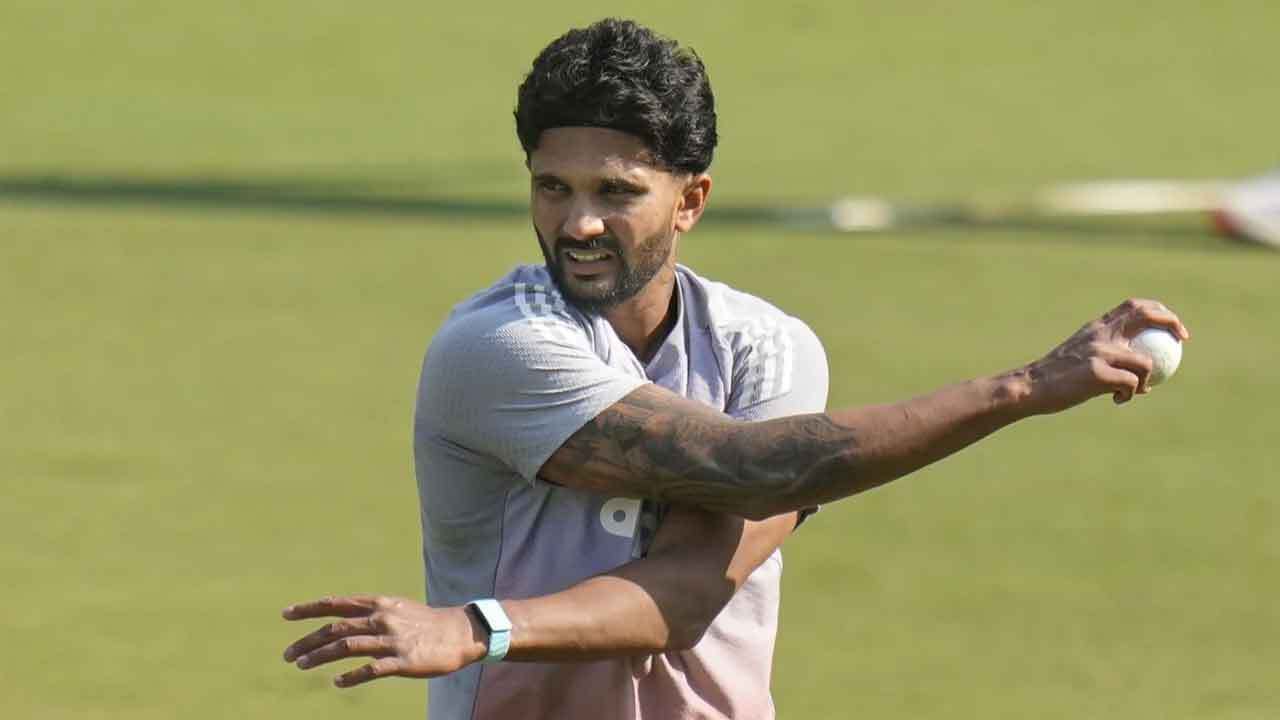
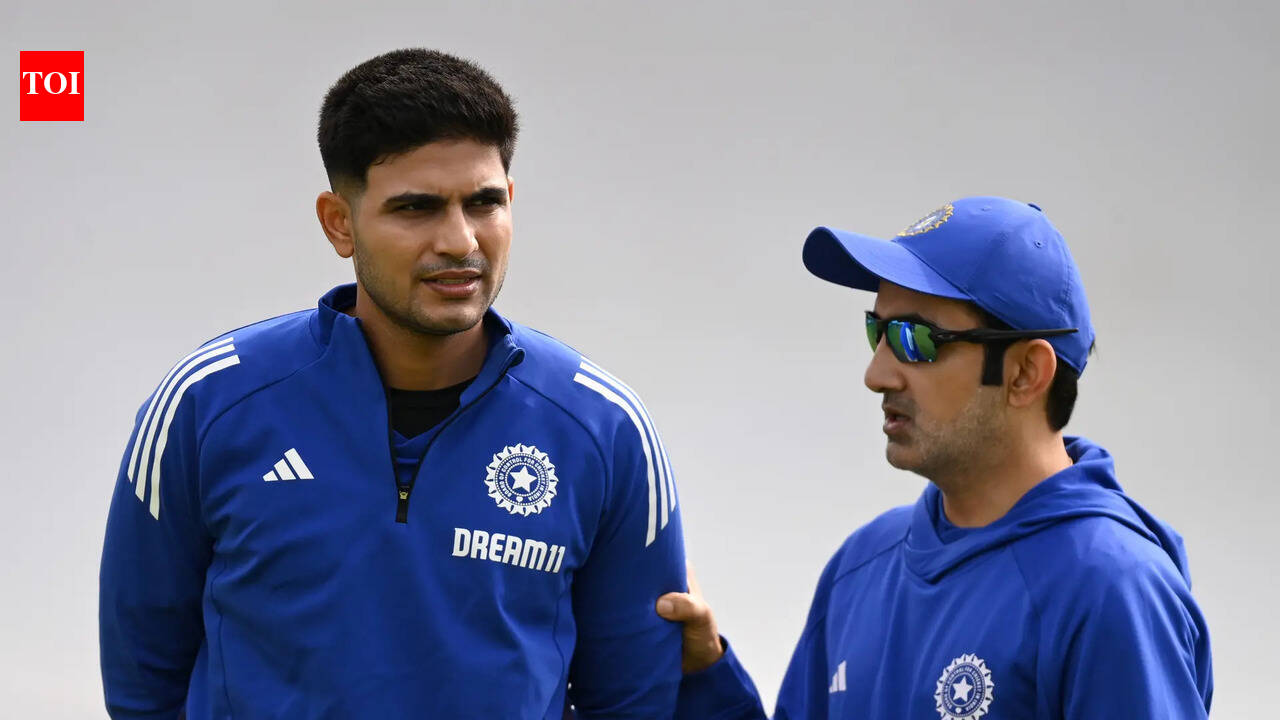
Nitish Kumar Reddy: Hamstring injuries plague Team India fitness system, with captain Shubman Gill recently raising concerns after India’s ODI series defeat in England. Gill noted that repeated player breakdowns before or during series have left the team struggling, hinting at possible flaws in fitness management. This has spotlighted coordination gaps between the Indian team management and the Centre of Excellence (CoE), especially since key medical staff changes last year.
A BCCI source revealed that hamstring injuries like Nitish Kumar Reddy’s recur because players may not be fully fit before returning to action. Reddy was reportedly pushed to bowl near 140kmph to cover for Hardik Pandya, despite needing gradual pace progression. The CoE lacks a head of medical staff after Nitin Patel’s departure, and outdated standard operating procedures from 2023 slow down data-driven decisions. Harshit Rana was cleared despite not regaining pre-injury weight, while Washington Sundar may have been rushed into the T20 World Cup squad without adequate recovery time.
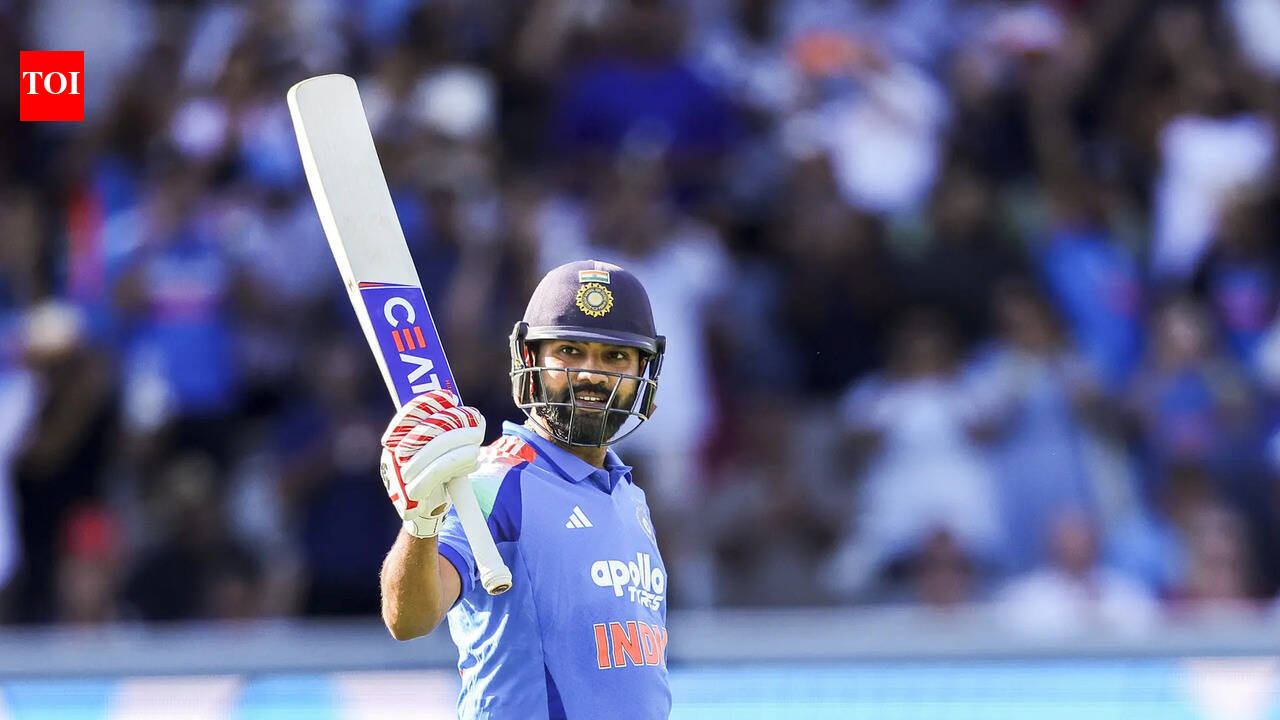
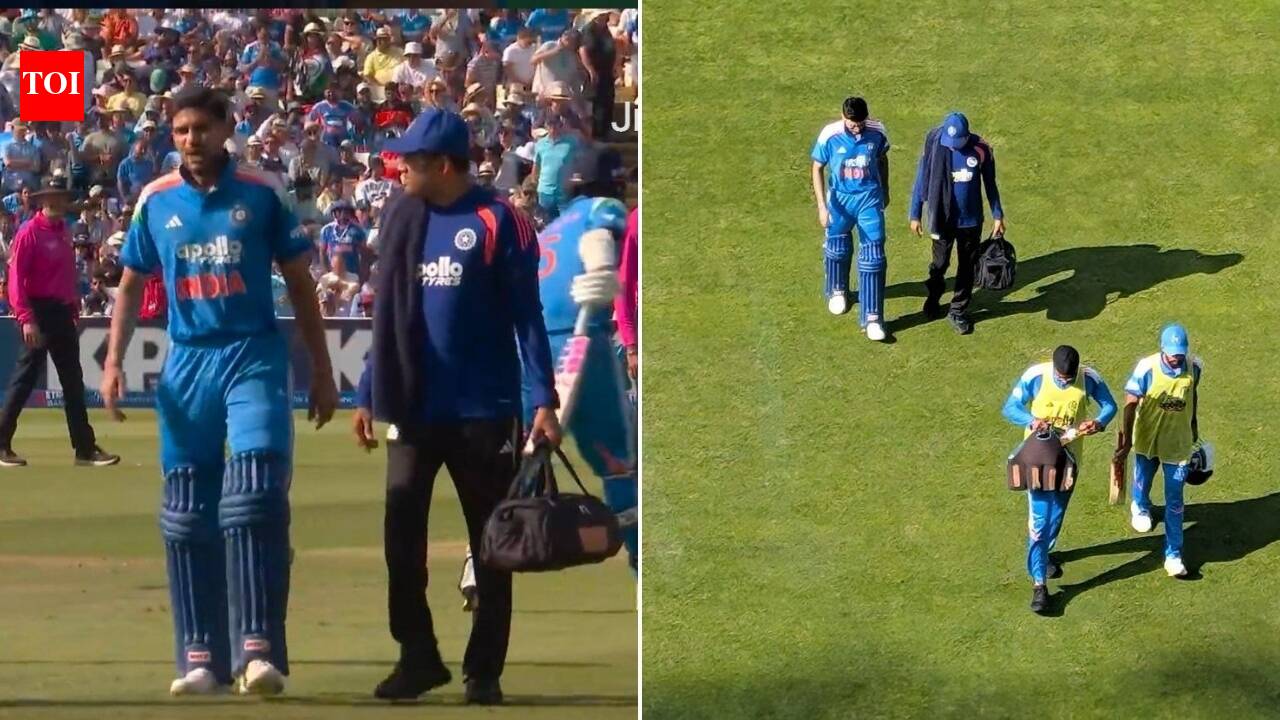
Other examples include Akash Deep, who broke down after two consecutive Tests post-IPL, though he managed Bengal’s Ranji campaign without issues. Even Gill suffered hamstring trouble after crossing 50 in two matches during the England series. Players like Rohit Sharma had to consult BCCI databases themselves when Mumbai Indians couldn’t identify his problem. The system leaves athletes without much support during breaks, as communication from the CoE is minimal when they are not with the national side.
The recurring injuries to Nitish Kumar Reddy, Rana, and Sundar have now raised questions about workload management and injury prevention. Many senior players prefer private training over CoE intervention, signaling a trust gap. With fielding standards dropping due to fitness lapses, experts urge a more hands-on, empathetic medical approach. Addressing these systemic issues is vital for India to avoid being hamstrung in future international assignments.