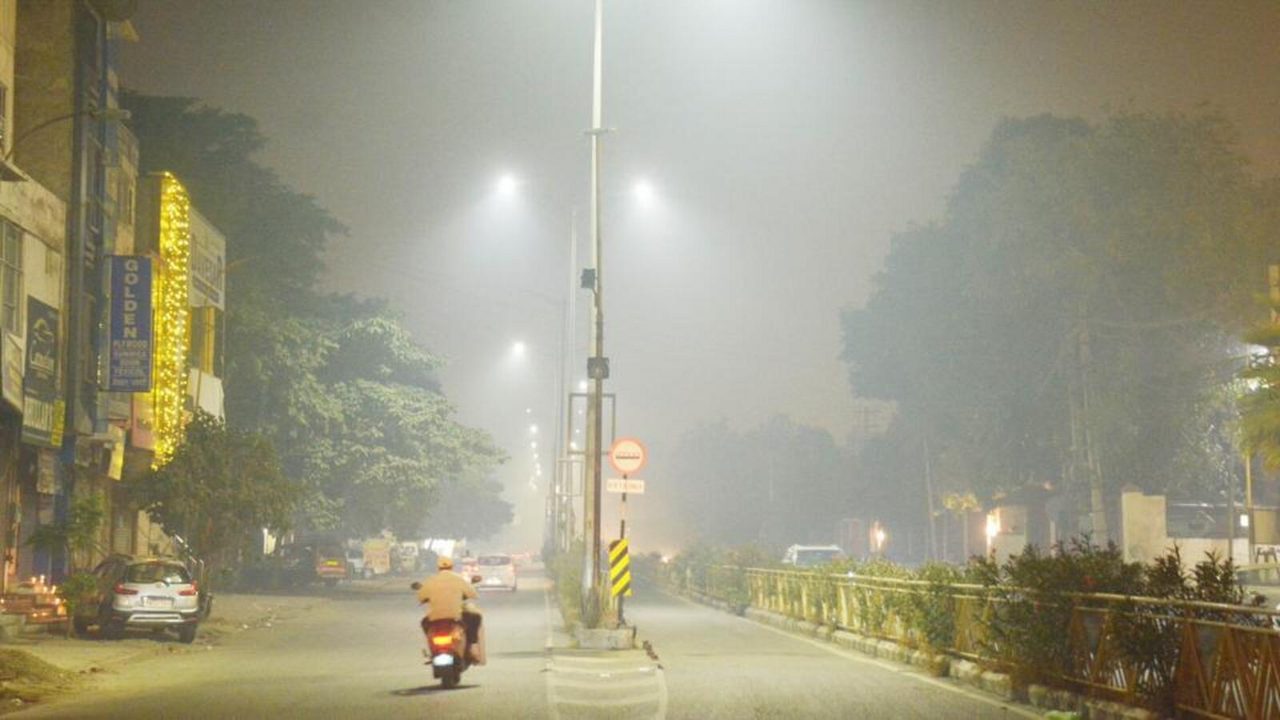
Air Pollution: Threatens Health in Amritsar, Experts Urge Caution
Medical professionals and health specialists in Amritsar have raised serious concerns regarding deteriorating environmental conditions, highlighting that hazardous smog and particulate matter have transformed seasonal atmospheric changes into a severe medical emergency. Public health advocates point out that local residents are increasingly vulnerable to respiratory illnesses as municipal authorities struggle to curb escalating emissions from vehicular traffic, agricultural stubble burning, and industrial activities. This alarming trend mirrors broader ecological crises across northern India, where metropolitan centers and historic cities alike routinely plunge into hazardous environmental categories during the cooler autumn and winter months, severely threatening community well-being.
Air Pollution Threatens Health Amritsar
Experts emphasize that the crisis extends far beyond seasonal discomfort, noting that persistent exposure to noxious fumes and particulate matter is directly linked to chronic obstructive pulmonary disease, aggravated asthma, cardiovascular complications, and compromised immune responses in vulnerable populations. Pediatricians have expressed particular alarm over how toxic smog impacts children, warning that developing lungs and even pediatric digestive health can suffer long-term damage from prolonged exposure to heavily tainted outdoor atmospheres. Public health officials stress that tackling this crisis requires moving past temporary regulatory measures and embracing comprehensive, long-term national agendas focused on sustainable energy, rigorous emissions enforcement, and proactive community protection strategies.
Environmental degradation and deteriorating atmospheric standards are no longer viewed merely as localized climate issues, but rather as urgent public health concerns that demand coordinated vigilance and preventive healthcare measures nationwide. Citizens residing in southern urban centers are increasingly recognizing that rapid industrialization and urban growth could replicate these severe health challenges unless preemptive ecological safeguards are strictly implemented and monitored by regional authorities.
As regional administrations prepare for prolonged periods of hazardous atmospheric conditions, stakeholders will be closely watching for the implementation of emergency curbs, such as construction bans and workplace attendance caps, similar to those deployed in the National Capital Region. Observers will also monitor how effectively government agencies enforce clean energy policies and whether upcoming policy frameworks can successfully balance rapid economic development with the preservation of public health. Ultimately, the ongoing debate highlights the critical need for sustained public awareness campaigns, equipping everyday citizens with the knowledge required to protect their families from the invisible dangers of degraded ambient conditions.
Prashanth is the editor of PakkaFilmy. He covers Telangana and Andhra Pradesh politics, Telugu and Indian cinema, sports, technology and useful public-interest news in clear, simple English. Every story is checked against available official information before publishing, as set out in our Editorial Policy. Follow PakkaFilmy on X: https://x.com/pakkafilmy007 | Telegram: https://t.me/pakkafilmytelugu | Instagram: https://instagram.com/pakkafilmy_