Health Financing India: recent funding deals signal shift, but will reforms reshape care?
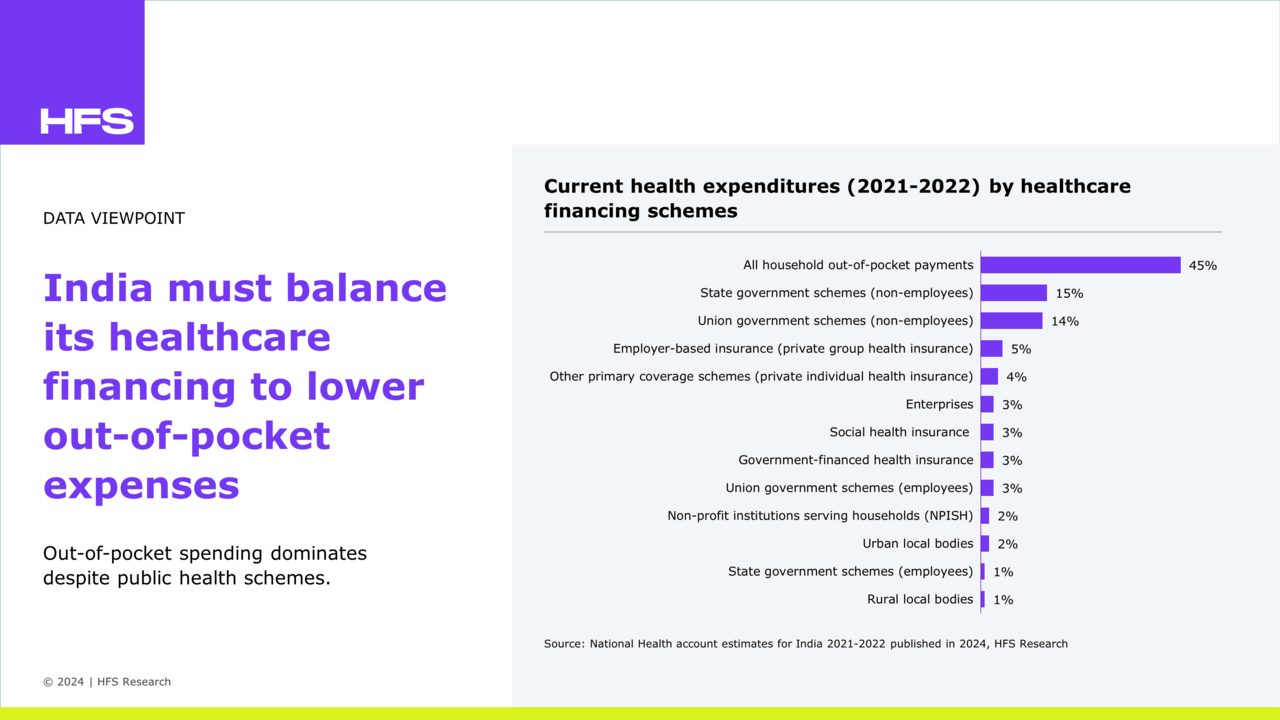
India stands at a crucial juncture in its healthcare evolution as policymakers recognise that traditional budget tracking fails to capture systemic progress. Expert discussions highlighted in industry reports stress that financial reforms must move beyond mere expenditure metrics to assess clinical delivery and population outcomes. This shift aims to address long‑standing challenges where capital disbursement has been mistaken for genuine sector improvement.
Health Financing India reform push
Analysts note that modern medical transformation cannot remain under a single ministry, requiring a centralized, leadership‑driven approach. Global dialogues, including regional health committee initiatives and international development partnerships, point toward sustainable fiscal planning and pooled procurement as vital pillars. Recent international funding agreements and bilateral deals illustrate a transition from fragmented project aid to cohesive platform partnerships aimed at long‑term stability for care institutions.
The broader fiscal debate involves balancing resource allocation with accountability to prevent financial strains from threatening operational healthcare institutions. Nations worldwide, from African economic commissions to Southeast Asian countries, are exploring diverse models of pooled procurement and sustainable funding to safeguard universal access. These international comparisons offer lessons for emerging economies seeking to optimise limited public resources while expanding primary and secondary services to underserved populations.
As regional governments align with national strategies, patients can expect more transparent resource allocation that prioritises measurable clinical improvements over bureaucratic spending targets. Observers will monitor how policymakers translate these conceptual shifts into concrete regulatory guidelines, new accountability metrics, technology‑driven expenditure tracking, and collaborative pilot programmes between central and state authorities. Ultimately, the success of these adjustments will hinge on sustained political commitment and robust stakeholder engagement across the entire medical ecosystem.
Prashanth is the editor of PakkaFilmy. He covers Telangana and Andhra Pradesh politics, Telugu and Indian cinema, sports, technology and useful public-interest news in clear, simple English. Every story is checked against available official information before publishing, as set out in our Editorial Policy. Follow PakkaFilmy on X: https://x.com/pakkafilmy007 | Telegram: https://t.me/pakkafilmytelugu | Instagram: https://instagram.com/pakkafilmy_