Air Pollution: Study finds smog costs tens of billions, but what will policymakers do?
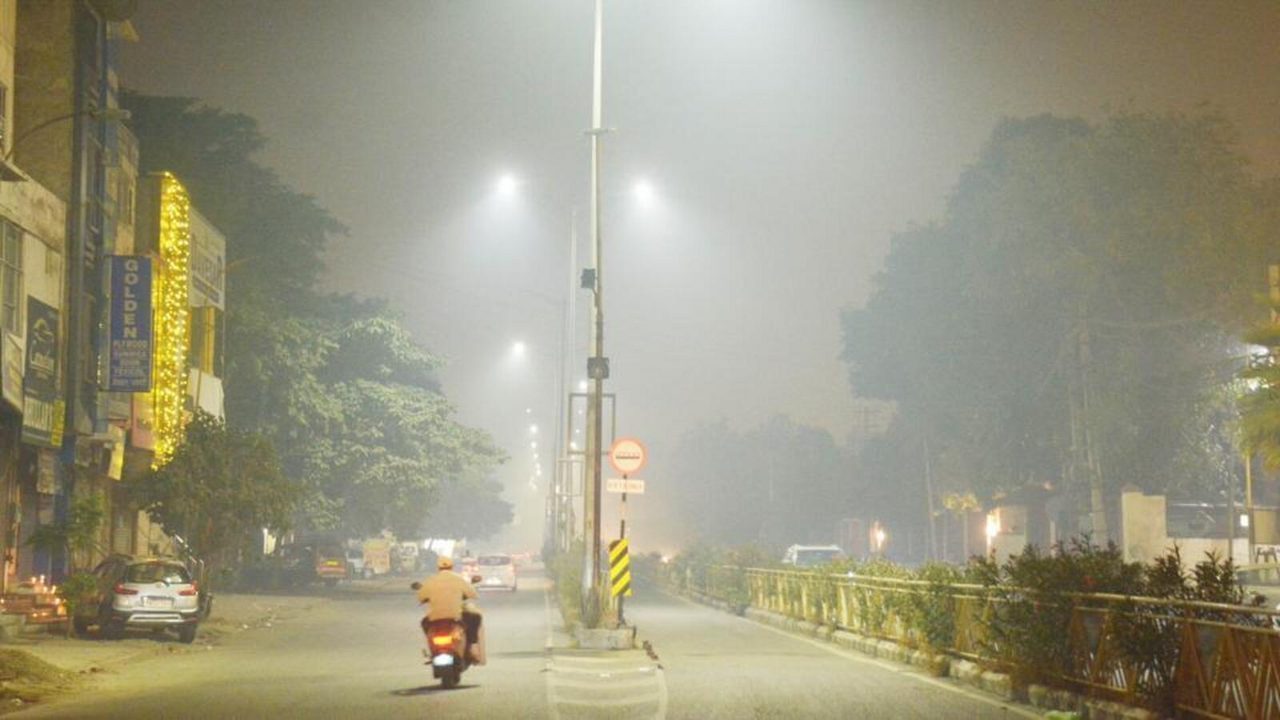
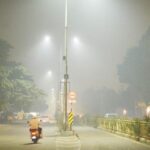
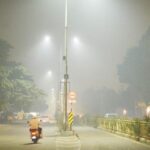
A new comprehensive review released by the Centre for Research on Energy and Clean Air consolidates epidemiological evidence on environmental hazards and public well‑being in India. It demonstrates the profound toll degraded air quality takes on populations, especially as major urban centres continuously battle hazardous haze levels. Health experts and policymakers are forced to confront the systemic challenges posed by persistent smog.
Air Pollution health impact review
Recent economic estimates place the cost of working through severe smog at tens of billions of dollars in lost productivity. Communities across Delhi‑NCR and other urban hubs regularly reel under severe ratings, prompting local authorities to deploy anti‑smog guns and rooftop sprinklers. Medical professionals and courts debate whether routine activities like road sweeping might inadvertently exacerbate particulate suspension during critical winter months.
Prolonged exposure to toxic particulate matter has become an enduring public health challenge across the subcontinent, extending beyond the winter peaks in northern regions. Indoor environmental hazards persist year‑round, leading many residents to invest heavily in HEPA‑filtered purification devices and seek expert guidance on mitigating indoor smoke and vehicle emissions. These measures aim to reduce respiratory illnesses and improve overall quality of life for vulnerable groups.
Healthcare advocates urge systemic reforms, with some specialists suggesting the creation of dedicated ministerial bodies to coordinate mitigation strategies nationwide. Observers will monitor how policymakers use this review to shape future regulations, including potential updates to national emission standards, stricter oversight of urban dust‑generating activities, and increased investment in clean‑energy transitions. Such actions could also alleviate economic losses tied to absenteeism and reduced labor output. The pressure mounts for coordinated, long‑term interventions to safeguard community wellness.
Prashanth is the editor of PakkaFilmy. He covers Telangana and Andhra Pradesh politics, Telugu and Indian cinema, sports, technology and useful public-interest news in clear, simple English. Every story is checked against available official information before publishing, as set out in our Editorial Policy. Follow PakkaFilmy on X: https://x.com/pakkafilmy007 | Telegram: https://t.me/pakkafilmytelugu | Instagram: https://instagram.com/pakkafilmy_