Air Pollution: tiny particles enter brain.. but how severe?
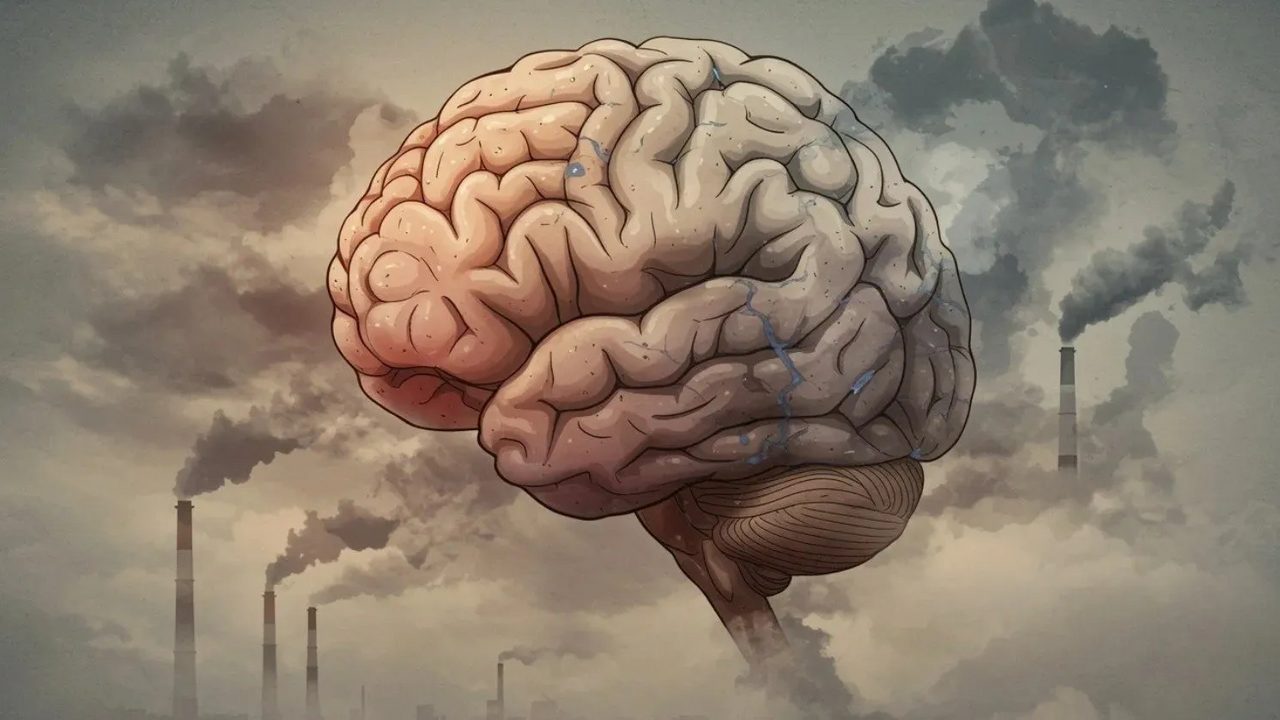
Across South Asian megacities, hazardous smog is shifting scientific focus from lungs to the brain. Researchers now warn that heavily contaminated urban air carries microscopic pollutants that bypass the body’s natural filters and travel through the olfactory pathway straight into the brain. Once inside, these particles spark chronic inflammation and oxidative stress, gradually damaging neural pathways essential for everyday cognition.
Air Pollution Threatens Brain Health
Recent studies highlighted by international media link long‑term exposure to accelerated cognitive decline, reduced problem‑solving abilities, and structural changes in brain tissue. The impact is observed in both adults and younger populations, suggesting that continuous inhalation of fine particulate matter can impair memory retention and learning capacity. These findings underscore a hidden neurological danger that accompanies the well‑known respiratory and cardiovascular risks of air pollution.
Government bodies in the region have begun to act, identifying local pollution hotspots, revising regional action plans, and enforcing the replacement of aging vehicles. Despite these measures, dense particulate pollution remains a persistent hazard for millions who navigate outdoor environments daily. Officials in Andhra Pradesh, Telangana and other states are urged to adopt comprehensive strategies that extend beyond seasonal mitigation to protect cognitive development in children and mental acuity in adults.
Public health experts stress that informed citizen support is crucial for stricter environmental controls. Observers are watching how federal and state ministries will embed neurological protection into anti‑smog policies and transport regulations. Future legislative sessions may determine whether construction guidelines and vehicle phase‑outs can deliver measurable improvements in air quality and safeguard brain health.
Prashanth is the editor of PakkaFilmy. He covers Telangana and Andhra Pradesh politics, Telugu and Indian cinema, sports, technology and useful public-interest news in clear, simple English. Every story is checked against available official information before publishing, as set out in our Editorial Policy. Follow PakkaFilmy on X: https://x.com/pakkafilmy007 | Telegram: https://t.me/pakkafilmytelugu | Instagram: https://instagram.com/pakkafilmy_