Walnuts Brain Health: Best Superfood for Memory & Diabetes
Walnuts Brain Health: Best Superfood for Memory & Diabetes
In the modern rush of life, where stress, poor diet, and chronic illnesses like diabetes and memory decline are increasingly common, people often search for a simple, natural solution. What if a single, humble nut could tackle both? Enter the walnut. Shaped remarkably like a tiny brain, this nut is not just a snack; it is a powerhouse of nutrition. Whether you aim to control blood sugar levels or sharpen your cognitive abilities, incorporating walnuts into your daily diet can be a game-changer. This article delves deep into the science of walnuts brain health, exploring how this superfood supports memory and fights diabetes simultaneously.
The Fascinating Link Between Walnuts and the Brain
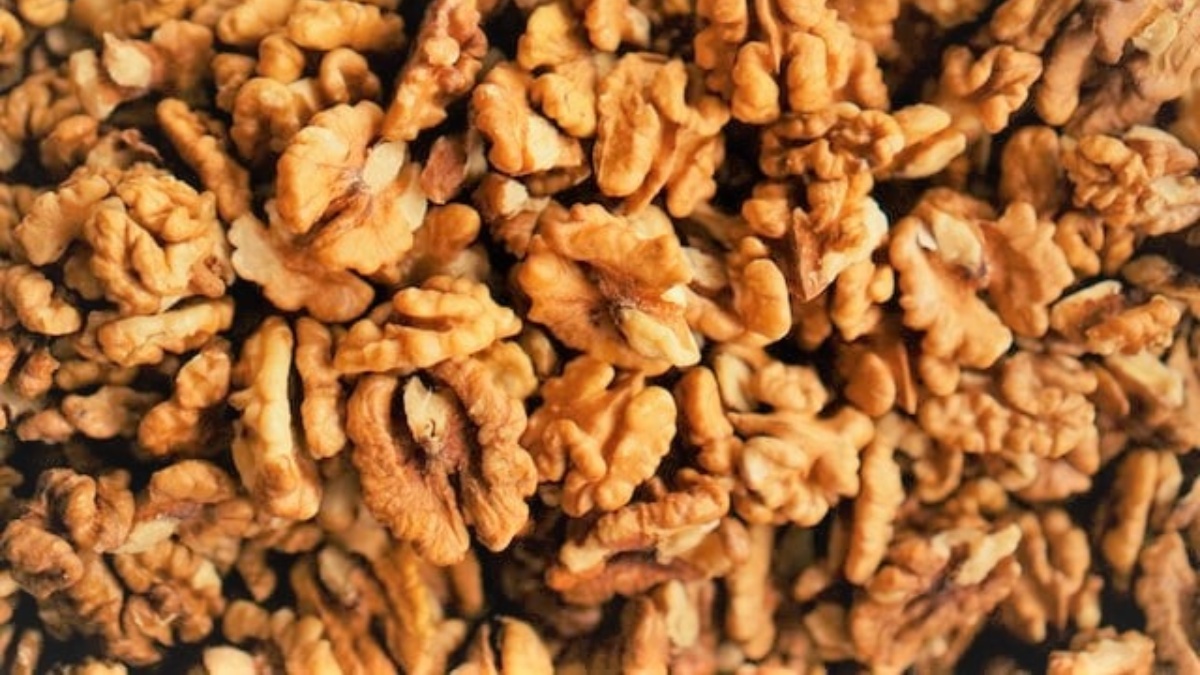
The age-old concept of like cures like finds a charming example in walnuts. When you crack open a walnut, its wrinkled, two-lobed appearance is an uncanny mirror of the human brain. While this visual resemblance may be coincidental, the nutritional profile inside is deliberately designed by nature to nourish neural tissues. Walnuts brain health benefits are rooted in their rich concentration of omega-3 fatty acids, particularly alpha-linolenic acid (ALA). These essential fats are the building blocks of brain cells, reducing inflammation and supporting the communication between neurons. Unlike many other nuts, walnuts are the only ones to offer a significant source of ALA, making them a critical food for anyone looking to preserve cognitive function and ward off memory loss.
Walnuts Brain Health: A Shield Against Memory Decline
As we age, our brains undergo natural changes that can affect memory and processing speed. Oxidative stress and chronic inflammation are two primary culprits behind neurodegenerative conditions like Alzheimer’s disease. This is where walnuts brain health research shines. Studies have shown that the polyphenols and antioxidants in walnuts, including vitamin E and ellagic acid, neutralize free radicals that damage brain cells. Regular consumption has been linked to improved memory, faster information processing, and even better mood regulation. For students, working professionals, or seniors, a handful of walnuts a day acts as a natural cognitive booster. The nut’s ability to enhance neuroplasticity—the brain’s capacity to form new connections—means that making walnuts a staple can help you stay sharp and retain information more effectively.
How Walnuts Help Control Diabetes Naturally
Diabetes management is not just about avoiding sugar; it is about stabilizing blood glucose levels and improving insulin sensitivity. Walnuts are a diabetic-friendly food due to their unique macronutrient composition. They are low in carbohydrates but high in healthy fats, fiber, and protein. When you eat walnuts, their fat and fiber content slows down the absorption of sugar into the bloodstream, preventing dangerous spikes after meals. Moreover, research indicates that regular walnut intake can improve endothelial function in people with type 2 diabetes, reducing cardiovascular risk—a major complication of the disease.
But the connection doesn’t stop there. The same walnuts brain health benefits that protect memory also play a role in diabetes control. Chronic high blood sugar damages tiny blood vessels in the brain, accelerating cognitive decline. By improving insulin sensitivity and reducing systemic inflammation, walnuts create a virtuous cycle: better diabetes control leads to better brain health, and vice versa. For those managing diabetes, walnuts are not just a snack; they are a strategic tool for long-term wellness.
Practical Ways to Include Walnuts in Your Diet
You might wonder how to incorporate this superfood into your daily routine. It is surprisingly easy. Start your morning by sprinkling a tablespoon of crushed walnuts over your oatmeal or yogurt. For lunch, add them to a spinach and berry salad for a crunchy texture. If you enjoy baking, use walnut pieces in whole-grain muffins or banana bread. For a quick energy boost, blend walnuts into a smoothie with a handful of kale and some berries. The key is moderation—about a quarter cup (30 grams) per day is sufficient to reap the walnuts brain health rewards without adding excess calories.
Remember that walnuts are best consumed raw and unroasted to preserve their delicate oils. If you buy shelled walnuts, store them in an airtight container in the refrigerator to prevent rancidity. Rancid walnuts not only taste bitter but also lose their nutritional potency. By making this simple habit a part of your lifestyle, you are investing in both your memory and your metabolic health.
Conclusion: A Single Nut, Double Benefit
In a world full of complex diets and expensive supplements, the walnut stands out as a time-tested, natural solution. Its brain-like shape is a visual promise of the powerful walnuts brain health benefits within. Whether your goal is to enhance memory and focus, or to manage diabetes with fewer pharmaceutical dependencies, this nut delivers. Science backs up what ancient wisdom hinted at: walnuts are a superfood that nourishes the mind and stabilizes the body. So next time you reach for a snack, choose walnuts. Your brain will thank you—and your blood sugar will, too.
Embrace the simplicity of nature’s design. One handful a day can keep cognitive decline at bay and help you master your diabetes. The journey to better health begins with a single, delicious, brain-shaped nut.