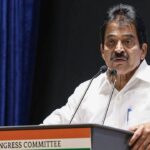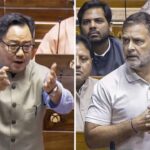
Recent national television programmes have placed intense public focus on India’s complex governance landscape, drawing parallels between domestic legislative controversies and Israel’s coalition strategies. The flagship segment examined how various administrations manage legislative friction, highlighting the delicate balancing acts required to sustain ruling coalitions and pass contentious legislation. Viewers responded with heightened interest, questioning how these models influence future policy directions.
India politics coalition comparison Israel
Analysts on the programme dissected the tactics employed by political actors to maintain legislative stability while navigating fierce opposition and competing regional interests. The broadcast underscored the growing interconnectedness of global democratic practices and domestic policy execution, illustrating how leaders must negotiate both internal dissent and external pressures to keep alliances intact. Such analysis offers citizens a clearer lens to assess the impact of coalition decisions on everyday governance.
Commentators contrasted ongoing parliamentary debates in India with the intricate coalition‑building observed in Israel, highlighting universal challenges democratic leaders face when unifying diverse ideological factions. Observers noted that coalition dynamics often dictate the pace of legislative reform, forcing leaders to make significant concessions to secure parliamentary majorities. The dialogue also explored how external diplomatic pressures can reshape internal bargaining processes within both nations.
The broader examination arrives amid significant introspection about the evolution of parliamentary traditions and leadership strategies in the nation. Historical perspectives remind citizens of past veteran leaders who reshaped electoral competition, while contemporary debates echo those ideological battles, affecting minority rights, heritage preservation, and state roles. Watching how current strategies evolve will indicate whether upcoming electoral cycles bring substantive policy shifts or merely political posturing. Stakeholders are urged to monitor legislative outcomes closely, as they will signal the resilience of democratic institutions across the region.
Also Read:
- Protein Diversity: Telangana Faces Wide Gender Gap
- Chandrababu Naidu: Vows to Boost Investments in AP
- Social Media Impact: Digital platforms reshape Indian politics, but how far?
💰 Check prices and more options on Amazon

Prashanth is the editor of PakkaFilmy. He covers Telangana and Andhra Pradesh politics, Telugu and Indian cinema, sports, technology and useful public-interest news in clear, simple English. Every story is checked against available official information before publishing, as set out in our Editorial Policy. Follow PakkaFilmy on X: https://x.com/pakkafilmy007 | Telegram: https://t.me/pakkafilmytelugu | Instagram: https://instagram.com/pakkafilmy_