
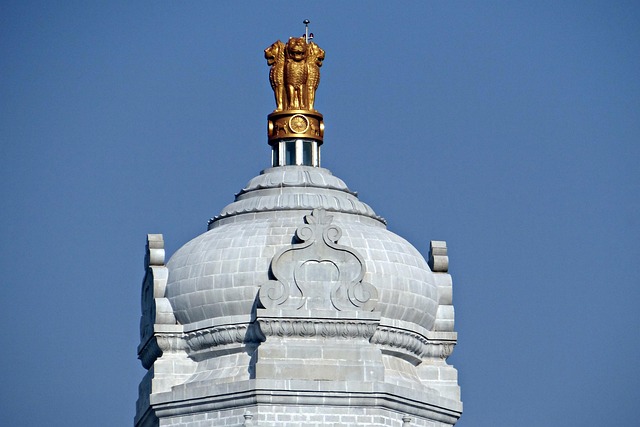
The political landscape in Telangana has shifted toward a coordinated legislative effort regarding a contentious territorial dispute involving several local habitations. Political leaders across party lines are preparing a unified initiative aimed at the administrative transfer of specific rural jurisdictions previously separated into a neighboring state. This significant policy push highlights ongoing inter-state discussions concerning regional governance, administrative convenience, and the socio-economic welfare of residents living near the river basin. Officials in Hyderabad are emphasizing the necessity of a collective approach to address these long-standing boundary concerns effectively.
Bhadrachalam villages reclaim panchayat rights
At the center of this legislative momentum is a strategic push to reclaim the distinct local panchayats that were previously detached from the erstwhile Khammam district. Senior political figures, including prominent ministers and parliamentary representatives, have publicly advocated for the formal return of these specific habitations. The administrative division occurred years ago following regional reorganizations, prompting continuous local demands for reunification based on cultural ties, geographical proximity, and administrative ease. Leaders argue that restoring these areas to the current state framework will streamline governance and improve public service delivery for the affected populations.
The historical context of this territorial debate dates back to administrative changes implemented during the bifurcation of the composite state. When portions of the region were reallocated to neighboring Andhra Pradesh to facilitate major infrastructure projects, several local panchayats near the temple town were included in the transfer. Over the subsequent years, residents and regional politicians have frequently raised concerns about cross-border administrative hurdles, particularly during annual monsoon flooding of the Godavari River when disaster management and relief coordination become complex across state lines.
This ongoing debate carries substantial significance for residents, policymakers, and observers across Andhra Pradesh, Telangana, and the wider national stage. For the local communities residing in the disputed habitations, resolving the administrative stalemate directly impacts access to state welfare schemes, healthcare services, and localized development funding. Moreover, the issue underscores the complexities of inter-state border management and resource sharing in India, demonstrating how historical legislative decisions continue to influence contemporary regional politics and inter-governmental relations. As the political momentum builds toward an all-party delegation or memorandum, observers will be closely monitoring the formal responses from both state governments. Future developments will likely depend on formal diplomatic discussions, legislative resolutions, and potential interventions by central authorities to resolve the administrative overlap. Stakeholders in both capitals are expected to weigh the administrative challenges against public sentiment, making the coming months critical for the future governance status of the contested rural councils.
Also Read:
- India politics: TV debates compare domestic coalitions with Israel, but what does this reveal?
- Protein Diversity: Telangana Faces Wide Gender Gap
- Chandrababu Naidu: Vows to Boost Investments in AP
💰 Check prices and more options on Amazon

Prashanth is the editor of PakkaFilmy. He covers Telangana and Andhra Pradesh politics, Telugu and Indian cinema, sports, technology and useful public-interest news in clear, simple English. Every story is checked against available official information before publishing, as set out in our Editorial Policy. Follow PakkaFilmy on X: https://x.com/pakkafilmy007 | Telegram: https://t.me/pakkafilmytelugu | Instagram: https://instagram.com/pakkafilmy_
Related Posts