How NSE Overtook London to Become World’s Third-Largest Listed Exchange
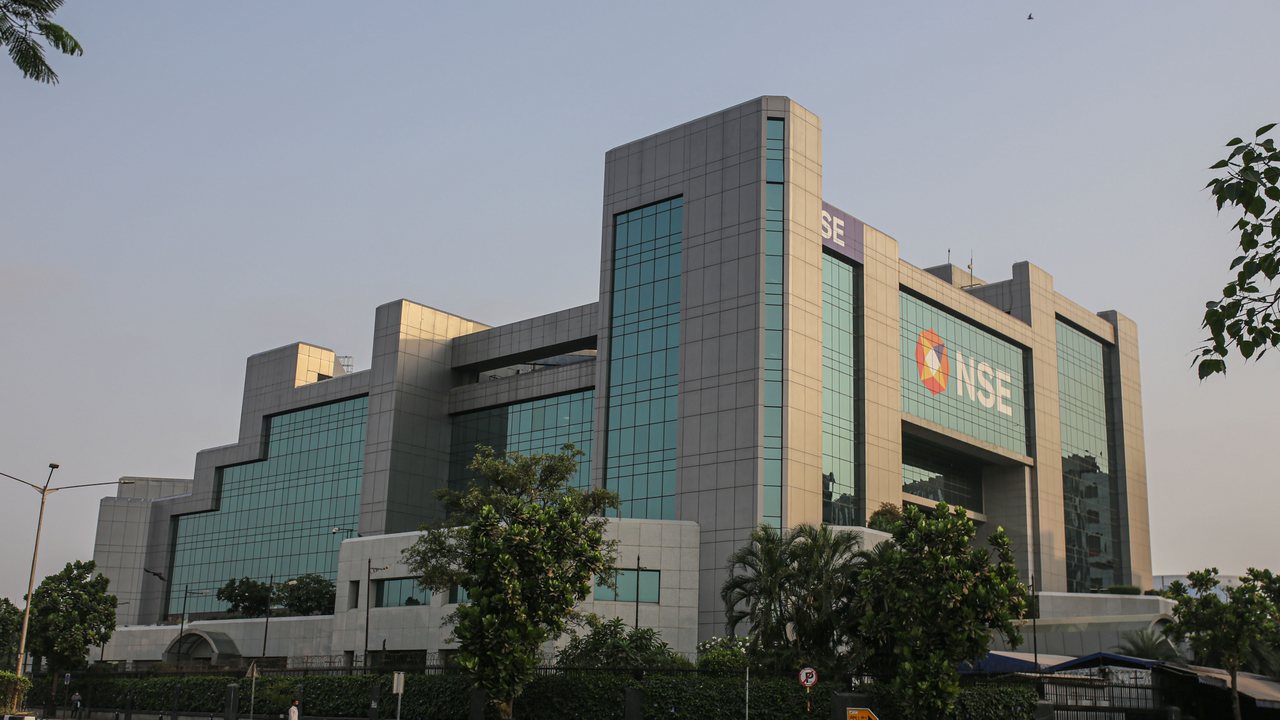
Commorical building stand at BKC (Bandra Kurla Complex) area in Mumbai, India, on Tuesday, Apr. 27, 2021. Photographer: Dhiraj Singh/Bloomberg
The financial architecture of the world has shifted dramatically as the National Stock Exchange of India (NSE) officially climbed past heritage European giants to claim a historic global milestone. By reaching a staggering market capitalization of $64.1 billion, the premier Indian trading platform outpaced both Deutsche Boerse and the London Stock Exchange Group (LSE). This monumental leap underlines the aggressive maturation of India’s capital markets, powered by a massive surge in domestic retail participation, structural economic shifts, and a rapidly expanding corporate pipeline. For global institutional investors and the vast diaspora of Non-Resident Indians (NRIs) tracking domestic wealth growth, this milestone is far more than a symbolic victory; it signals India’s growing economic gravity on the world stage.
Over the past several years, Dalal Street and the broader Indian economic ecosystem have transitioned from regional emerging markets to central pillars of global liquidity. While legacy Western exchanges grapple with sluggish economic growth, regulatory red tape, and tepid domestic public offerings, the NSE has capitalized on an unprecedented retail investment wave. Millions of Indian households have moved away from traditional physical assets like gold and real estate, channeling systematic investment plans (SIPs) directly into equities. This continuous domestic cushion has insulated Indian bourses from global macroeconomic shocks, driving consistent valuations that propelled the exchange past long-standing European heavyweights.
Driving Forces Behind The Valuation Surge
The explosive rise of the NSE’s valuation to $64.1 billion is deeply rooted in robust structural changes within the Indian financial landscape. Unlike previous decades where market momentum heavily relied on foreign institutional investors (FIIs), the current market trajectory is anchored by resilient domestic institutional investors (DIIs) and retail investors. Monthly SIP inflows consistently cross historic thresholds, ensuring that domestic capital buffers Indian equities against global sell-offs. Furthermore, the relentless pace of initial public offerings (IPOs) across technology, manufacturing, green energy, and infrastructure sectors has continuously expanded the aggregate market capitalization listed on the platform. Regulatory transparency, lightning-fast automated trading systems, and robust risk management frameworks have also enhanced investor confidence, turning the NSE into an ultra-efficient engine of wealth creation.
Global Comparisons And Market Dynamics
Surpassing institutions as storied as the London Stock Exchange and Germany’s Deutsche Boerse places the NSE in an elite global triad, trailing only the dominant North American exchanges in specific listed metrics. While European markets have faced capital flight and macroeconomic headwinds stemming from regional energy crises and shifting monetary policies, Indian bourses present a compelling narrative of high growth and demographic dividends. Global asset allocators are increasingly viewing Indian equities as an indispensable component of their portfolios, seeking insulation from stagnating developed economies. This structural reallocation of global wealth has directly amplified the enterprise value of the exchange itself, translating trading volumes and listing fees into stellar corporate valuations.
Global Stock Exchange
Estimated Market Capitalization
Key Growth Driver
National Stock Exchange (NSE)
$64.1 Billion
Retail SIP boom and robust domestic capital inflows
London Stock Exchange Group (LSE)
Legacy Multi-Billion Valuation
International financial services and global debt listings
Deutsche Boerse
Legacy Multi-Billion Valuation
Eurozone derivatives trading and industrial backing
Implications For NRIs And Global Investors
For Non-Resident Indians (NRIs) and international portfolio managers, the NSE’s new global standing validates long-term bullish theses on the Indian economy. As Indian companies scale up operations to meet domestic and international demand, the secondary market infrastructure supporting them commands premium global valuations. However, this heightened prominence also brings intense regulatory scrutiny and higher expectations regarding corporate governance, cybersecurity, and market integrity. Maintaining this trajectory will require continuous technological upgrades to manage billions of daily transactions without latency, alongside proactive investor education initiatives to sustain the retail participation wave that built this foundation.
Frequently Asked Questions
What is the current market capitalization of the NSE?
The National Stock Exchange of India has reached a landmark valuation of $64.1 billion, successfully securing its position as the world’s third-largest listed exchange.
Which major exchanges did the NSE surpass?
The NSE climbed past European giants including Germany’s Deutsche Boerse and the London Stock Exchange Group (LSE) in global market capitalization rankings.
Why is this milestone important for Indian retail investors and NRIs?
It highlights the immense depth, liquidity, and structural strength of Indian capital markets, making domestic equities an increasingly vital asset class for global wealth generation.
Prashanth is the editor of PakkaFilmy. He covers Telangana and Andhra Pradesh politics, Telugu and Indian cinema, sports, technology and useful public-interest news in clear, simple English. Every story is checked against available official information before publishing, as set out in our Editorial Policy. Follow PakkaFilmy on X: https://x.com/pakkafilmy007 | Telegram: https://t.me/pakkafilmytelugu | Instagram: https://instagram.com/pakkafilmy_