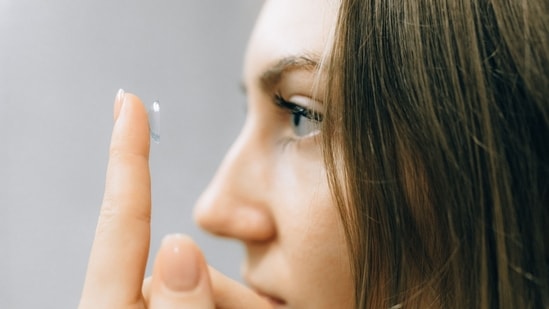

A research team at Northwestern University, led by an Indian‑American professor, unveiled a new pair of smart eyewear that harvests the kinetic energy of eye blinks to generate electricity. The prototype demonstrated in the university lab this week powers embedded sensors that monitor heart rate, blood‑oxygen levels and stress indicators, eliminating the need for a conventional rechargeable battery. The device can operate indefinitely under normal usage patterns, offering an always‑on health companion.
Northwestern blink glasses power health
The glasses store the captured energy in a tiny capacitor, allowing continuous operation as long as the wearer blinks or even smiles. Real‑time biometric data are transmitted to a paired smartphone, where users can view trends and receive alerts. This battery‑free design aligns with efforts to create self‑sustaining wearables that reduce electronic waste and maintenance burdens. Such continuous power could dramatically extend sensor uptime in remote monitoring scenarios.
Smart eyewear has been promoted as the next frontier of personal computing, yet most commercial models rely on rechargeable batteries that add weight and limit usage time. The Northwestern invention builds on parallel research into eye‑based communication for speech‑impaired individuals, turning a mundane gesture into a sustainable power source and expanding the potential applications of ocular signals.
The team plans larger clinical trials to validate accuracy across diverse populations and to refine the form factor for everyday wear. Partnerships with Indian technology firms are being explored to scale manufacturing and integrate the system with local health‑tracking apps. Regulatory clearance is required before commercial release, but analysts expect a market debut within the next few years.
Also Read:
- India Public Health Spending: India Public Triples to Rs 4.14 Lakh Crore
- Healthwire Media: Launches New Platform for Healthcare Updates, but will it boost info?
- ICMR: New national palliative care framework unveiled, but how will states implement?

Prashanth is the editor of PakkaFilmy. He covers Telangana and Andhra Pradesh politics, Telugu and Indian cinema, sports, technology and useful public-interest news in clear, simple English. Every story is checked against available official information before publishing, as set out in our Editorial Policy. Follow PakkaFilmy on X: https://x.com/pakkafilmy007 | Telegram: https://t.me/pakkafilmytelugu | Instagram: https://instagram.com/pakkafilmy_
Related Posts