Normal diarrhoea or serious infection? Doctor explains warning signs
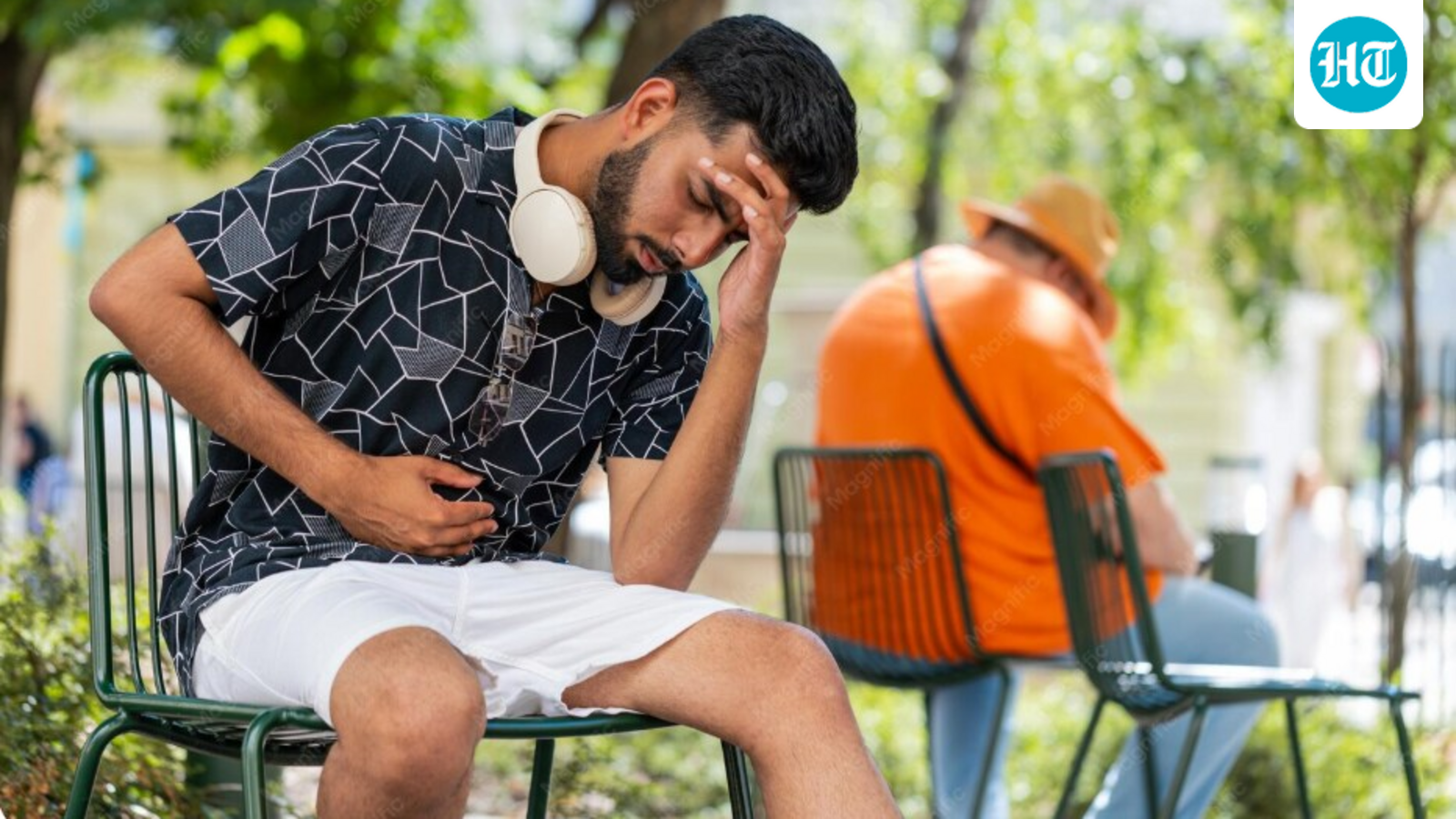
Normal diarrhoea or serious infection? Doctor explains warning signs: Distinguishing between a mild stomach bug and a severe gut infection is crucial for proper care. Dr Sudhakar Ranpise, senior consultant at Surya Sahyadri Hospital, explains that normal diarrhoea often results from viral illness, overeating, or food intolerance, with symptoms like loose stools and mild abdominal discomfort that resolve with hydration and electrolytes. However, normal diarrhoea becomes concerning when it persists beyond two to three days, especially with high fever, severe cramping, blood or mucus in stool, or dehydration signs, indicating a serious infection requiring medical attention.
To identify a serious gut infection, Dr Ranpise advises consulting a physician with details on symptom onset, recent meals, travel history, and contact with sick individuals. Shigella, a bacterium causing bacillary dysentery, is a rising concern due to its high contagiousness through the faecal-oral route. It spreads via person-to-person contact, contaminated food or water, or infected surfaces like doorknobs. Food handlers and caregivers are common transmitters, and the bacterium can shed in stool for up to two weeks after recovery. Symptoms include severe watery or bloody diarrhoea, fever, abdominal cramps, and urgent bowel movements, appearing 1-3 days after exposure and lasting up to 7 days.
Preventive measures for a serious gut infection include thorough handwashing with soap and warm water before eating, after restroom use, and after diaper changes. Safe food and water practices involve drinking treated water, washing fruits and vegetables, and cooking food thoroughly. Maintaining clean environments for children and caregivers, with regular disinfection of surfaces, is vital. Avoid swallowing untreated recreational water, and post-infection, stay home from school or work until cleared. Limiting sexual contact for two weeks after diarrhoea resolves helps prevent spread. If normal diarrhoea symptoms worsen, seeking medical advice promptly can prevent complications and ensure effective treatment.