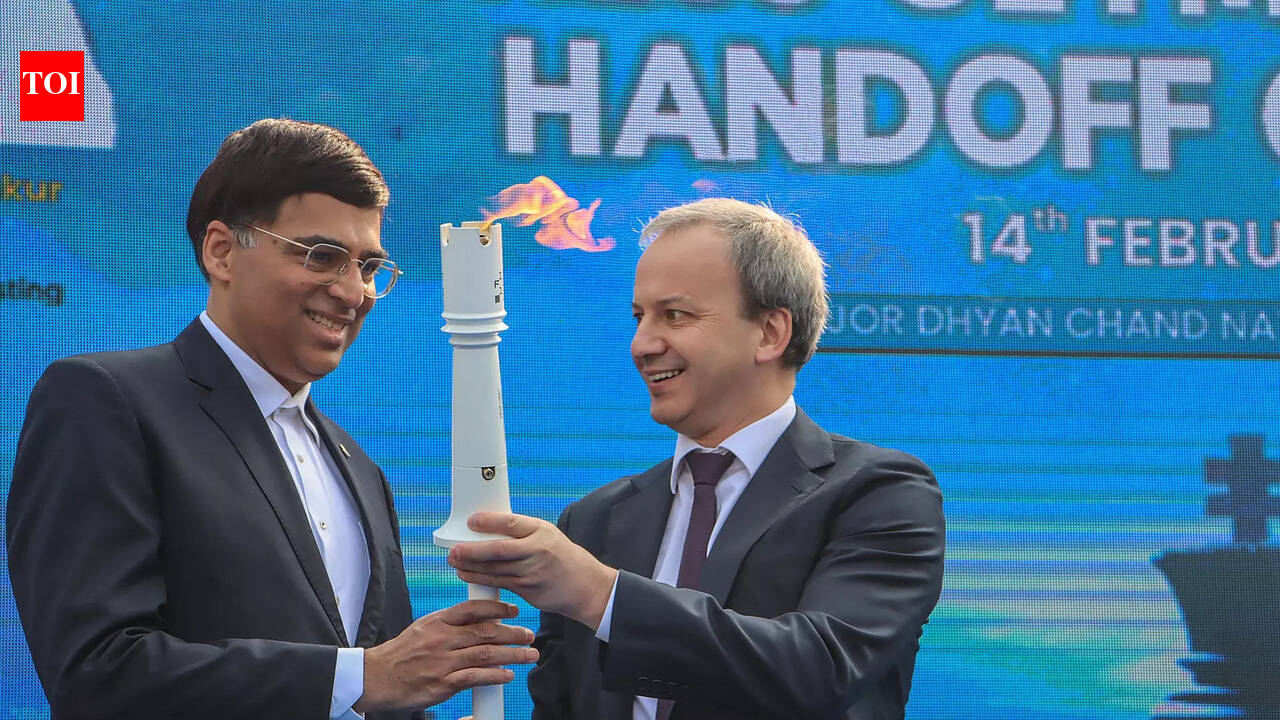
Gens Una Sumus: Chess Bond Beyond Borders reminds me that chess connects people across all divides. When I first saw FIDE’s emblem at age seven, I didn’t understand the Latin words. My mother later told me they mean “We are one family.” Since then, I’ve carried that meaning to every tournament.
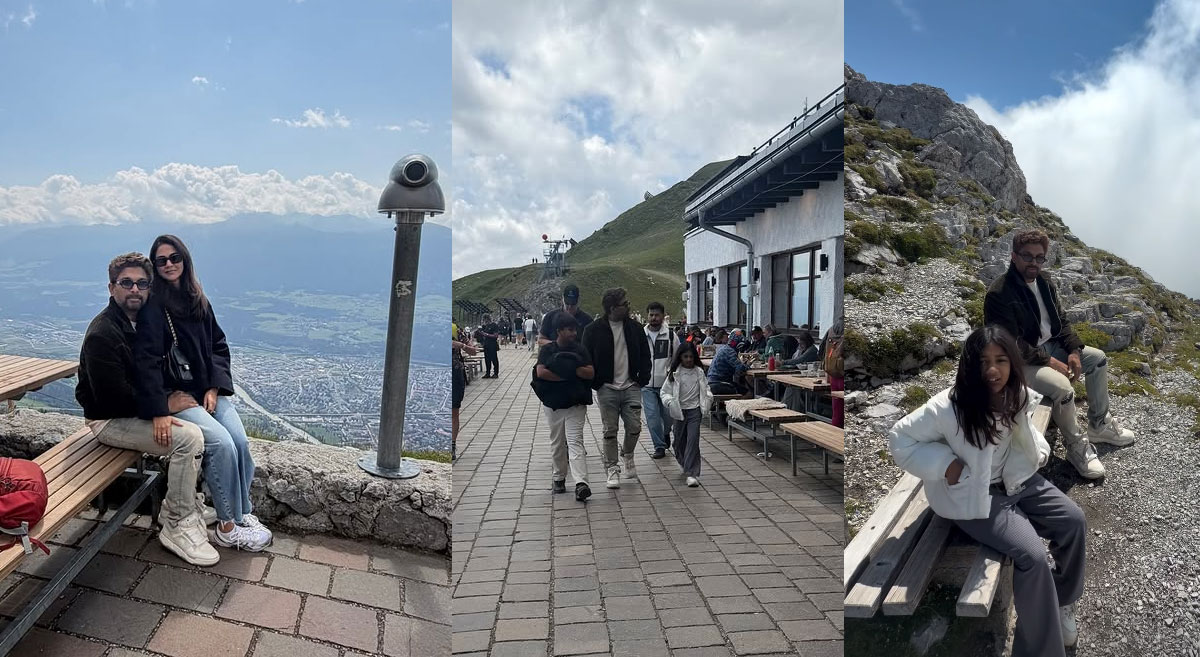
Chess’s brilliance lies in equality. Anyone can compete regardless of age, nationality, or income. At eight, I played a five-hour game against a man in his fifties in the Austrian Alps. Age vanished; only the position mattered. This shows how Gens Una Sumus: Chess Bond Beyond Borders makes age irrelevant.
The sport also creates closeness. Opponents sit opposite each other for hours, noticing subtle changes in breathing or confidence. After the game, analysis begins. Separated by competition moments earlier, we now study together, asking questions like, “Should I have castled here?” This collaboration reinforces Gens Una Sumus: Chess Bond Beyond Borders in daily practice.
Victory matters during the clock, but curiosity wins after. We become collaborators, searching for missed moments. Chess does not erase rivalry or disappointment, but it forces respectful engagement. For hours, the opponent can’t be reduced to a stereotype.
Today, I see Gens Una Sumus: Chess Bond Beyond Borders differently. Every tournament begins with sixty-four squares, but many end with human connection. The phrase, rooted in Roman poetry, now reminds us that through chess, we become one family.