Dengue Prevention: officials boost inspections amid rising cases, but will AI help?
Health officials have stepped up field visits to evaluate vector control protocols and community safety campaigns amid rising dengue concerns. Inspectors tour vulnerable neighborhoods, checking for stagnant water, monitoring larval breeding sites, and verifying public sanitation directives are implemented before peak transmission seasons. These oversight initiatives aim to ensure municipalities execute eradication tasks effectively. The inspections also assess compliance with waste disposal regulations and the effectiveness of larvicide applications.
Dengue Prevention field inspection strategy
In addition to physical checks, medical experts are leveraging artificial intelligence systems to forecast outbreak hotspots and optimize resource allocation for vector management. AI models analyze climate data, reported cases, and breeding site patterns to predict areas at risk, allowing authorities to direct inspections and interventions more precisely. Such data-driven approaches aim to reduce response times and improve the allocation of limited public health resources.
Researchers stress continuous environmental management, public awareness campaigns, and community participation as key to reducing dengue burden. Residents are urged to eliminate standing water, use window screens, and apply repellents, especially during humid and rainy months that favor mosquito proliferation. Educational workshops and local volunteer groups further amplify these efforts by distributing informational leaflets and organizing neighborhood clean‑up drives. Shifting environmental patterns and climate change further amplify vector growth, challenging control efforts.
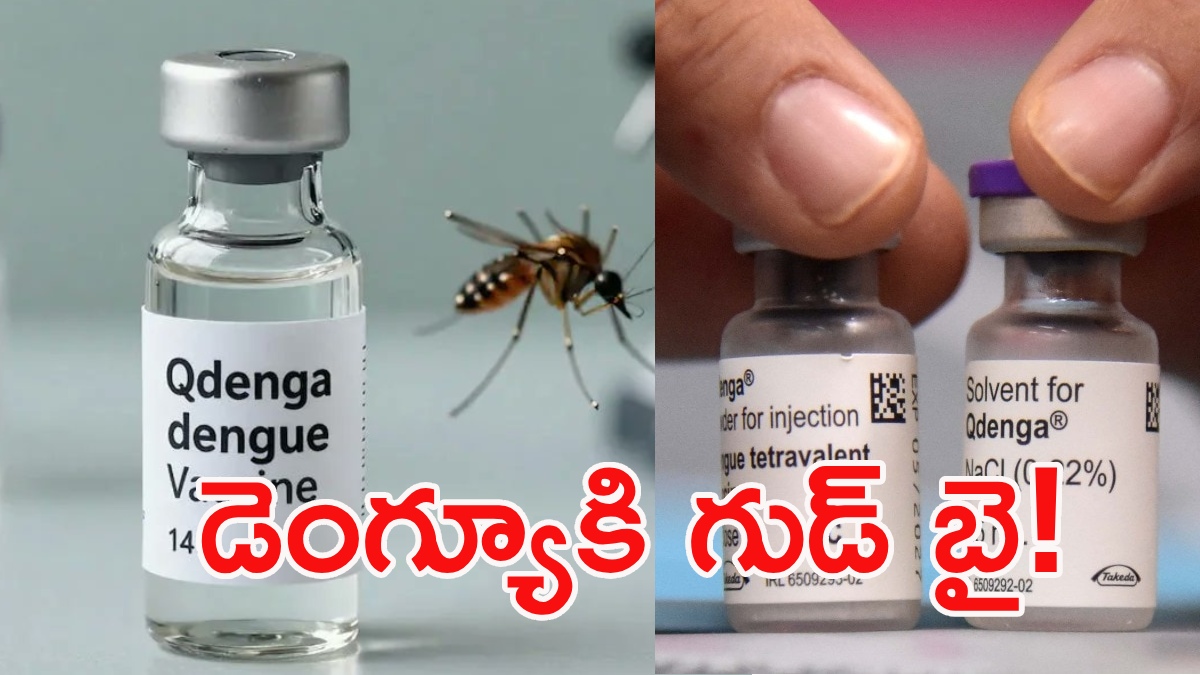
Ongoing scientific evaluations are exploring novel pharmaceutical interventions, including preventive medication trials and advanced immunization options, to strengthen long‑term defenses against the virus. As monitoring continues, communities and authorities must watch for updated health advisories and municipal sanitation schedules, while observing the adoption of predictive technologies and progress of clinical trials aimed at new therapeutic solutions. Success of these initiatives will be measured by reductions in reported cases and the speed at which future outbreaks are contained.
Prashanth is the editor of PakkaFilmy. He covers Telangana and Andhra Pradesh politics, Telugu and Indian cinema, sports, technology and useful public-interest news in clear, simple English. Every story is checked against available official information before publishing, as set out in our Editorial Policy. Follow PakkaFilmy on X: https://x.com/pakkafilmy007 | Telegram: https://t.me/pakkafilmytelugu | Instagram: https://instagram.com/pakkafilmy_