If you are searching for a quick, flavorful, and nutritious side dish to complement your South Indian meals, look no further. The beetroot carrot pachadi recipe is a vibrant, creamy, and slightly tangy preparation that pairs beautifully with rice, dosa, or idli. This guide will walk you through every step, from selecting fresh vegetables to mastering the tempering, ensuring you achieve the best taste every time.
Why You’ll Love This Beetroot Carrot Pachadi Recipe
Pachadi, a traditional South Indian yogurt-based dish, is known for its cooling properties and digestive benefits. When you combine beetroot and carrot, you get a naturally sweet, earthy, and colorful pachadi that is not only visually appealing but also packed with vitamins and antioxidants. This beetroot carrot pachadi recipe is simple enough for beginners yet versatile enough to impress seasoned cooks. The natural sweetness of beetroot balances beautifully with the mild crunch of carrots, while the yogurt adds a creamy, tangy finish.
Health Benefits of Beetroot and Carrot Pachadi
Before diving into the recipe, it is worth noting why this dish is a smart addition to your diet. Beetroot is rich in folate, iron, and betalains, which support blood health and reduce inflammation. Carrots provide beta-carotene, essential for eye health and immunity. Combined with probiotic-rich yogurt, this pachadi aids digestion and keeps you cool during warm weather. This beetroot carrot pachadi recipe is thus a delicious way to incorporate more vegetables into your meals.
Ingredients for the Best Beetroot Carrot Pachadi Recipe
To make this dish truly shine, use fresh, tender vegetables and thick, fresh curd. Here is what you will need:
– 1 medium beetroot, peeled and grated
– 1 medium carrot, peeled and grated
– 1 cup thick yogurt (preferably homemade or full-fat)
– 1/2 teaspoon salt, or to taste
– 1 green chili, finely chopped (adjust to spice preference)
– 1 tablespoon fresh coconut, grated (optional, but provides creaminess)
– A small piece of ginger, grated (adds warmth)
– For tempering: 1 teaspoon oil, 1 teaspoon mustard seeds, 1/2 teaspoon urad dal, 1/2 teaspoon cumin seeds, a pinch of asafoetida, curry leaves, and 1 dried red chili
Step-by-Step Guide: Beetroot Carrot Pachadi Recipe in Telugu Style
This method follows the classic Telugu preparation, which emphasizes simplicity and balanced flavors. Follow these easy steps for a perfect pachadi.
Step 1: Grate and Cook the Vegetables
In a pan, add the grated beetroot and carrot. Sprinkle a pinch of salt and cook on medium heat for 3–4 minutes. You do not need to add extra water; the vegetables will release their own moisture. Stir occasionally until the raw smell disappears and they become slightly tender. Do not overcook—the carrots should retain a little crunch. Turn off the heat and allow them to cool completely. This step is crucial as hot vegetables will make the yogurt watery.
Step 2: Prepare the Yogurt Base
In a mixing bowl, whisk the yogurt until smooth and creamy. Avoid over-whisking as this can make it thin. If your yogurt is too sour, you can add a teaspoon of sugar to balance the flavors. Add the grated coconut (if using), green chili, grated ginger, and salt. Mix well.
Step 3: Combine Vegetables with Yogurt
Once the cooked vegetables have cooled to room temperature, add them to the yogurt mixture. Gently fold until everything is well coated. The colors will blend into a beautiful pinkish-orange hue. Taste and adjust salt and spice. At this stage, the beetroot carrot pachadi recipe is almost complete.
Step 4: The Perfect Tempering (Popu or Tadka)
Tempering is the soul of any pachadi. Heat oil in a small frying pan. Add mustard seeds; when they start popping, add urad dal, cumin seeds, asafoetida, dried red chili, and curry leaves. Sauté until the dal turns golden and the curry leaves are crisp. Pour this sizzling tempering over the pachadi. Stir gently. The aroma released at this stage will transform the dish.
Tips for the Best Taste in Your Beetroot Carrot Pachadi Recipe
– Use thick yogurt: Thin yogurt leads to a watery pachadi. If your yogurt is runny, hang it in a cheesecloth for 30 minutes to thicken it.
– Cool vegetables thoroughly: Adding warm vegetables to yogurt can cause curdling. Always let them cool.
– Fresh ingredients matter: Freshly grated beetroot and carrot yield better texture and taste than pre-shredded ones.
– Do not skip the coconut: Even a small amount adds a subtle richness that elevates the dish.
– Serving suggestion: This pachadi tastes best when served chilled. You can refrigerate it for 30 minutes before serving.
How to Serve Beetroot Carrot Pachadi
This versatile dish is a fantastic accompaniment to:
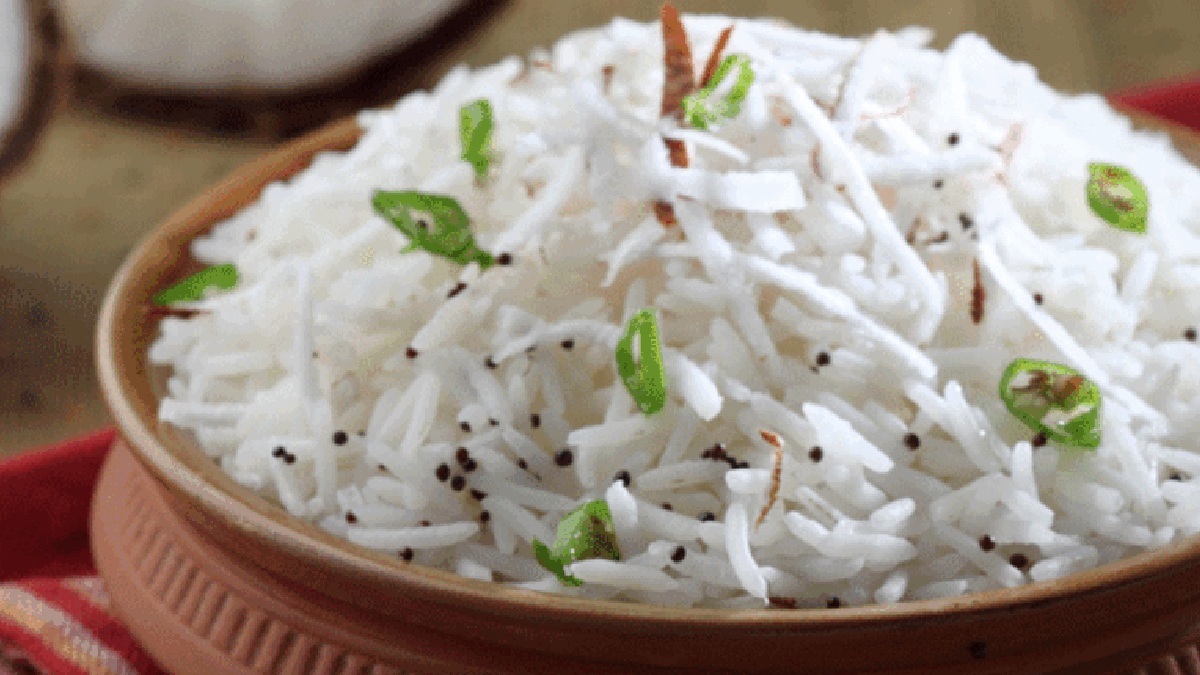
– Steamed rice with a drizzle of ghee
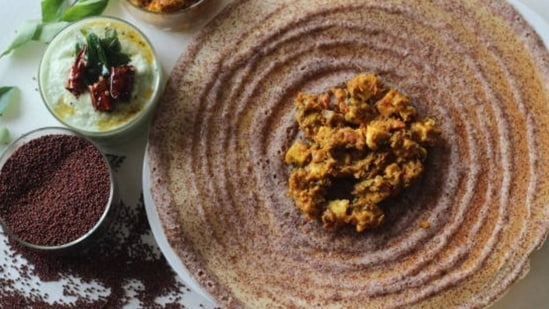
– Hot, soft idlis or crispy dosas
– Lemon rice or tamarind rice
– Parathas or rotis for a fusion meal
– As a side in a traditional Telugu thali
Variations to Try
Once you master the basic beetroot carrot pachadi recipe, feel free to experiment:
– Add a handful of fresh coriander leaves for a herbal note
– Substitute green chili with red chili powder for a milder heat
– Use roasted peanuts instead of coconut for a nutty twist
– Add a pinch of roasted cumin powder for extra depth
Common Mistakes to Avoid
– Avoid overcooking: Vegetables should be just tender, not mushy.
– Do not skip tempering: It adds crunch and aroma that yogurt alone cannot provide.
– Do not mix cold and hot: Always bring vegetables to room temperature before combining.
Conclusion
This beetroot carrot pachadi recipe is a celebration of simple, wholesome ingredients prepared with care. Whether you are new to South Indian cooking or looking to expand your repertoire, this dish offers a perfect balance of sweetness, tanginess, and spice. The natural colors of beetroot and carrot make it a feast for the eyes, while the creamy yogurt and fragrant tempering satisfy the palate. Try this easy guide at home, and you will discover why this pachadi is a beloved staple in Telugu households. Serve it with rice or your favorite breakfast item for a meal that is both comforting and nutritious. Enjoy the process, and savor every spoonful of this vibrant, delicious pachadi.