Supreme Court Rules Bar Councils Have No Disciplinary Power Over Law Students
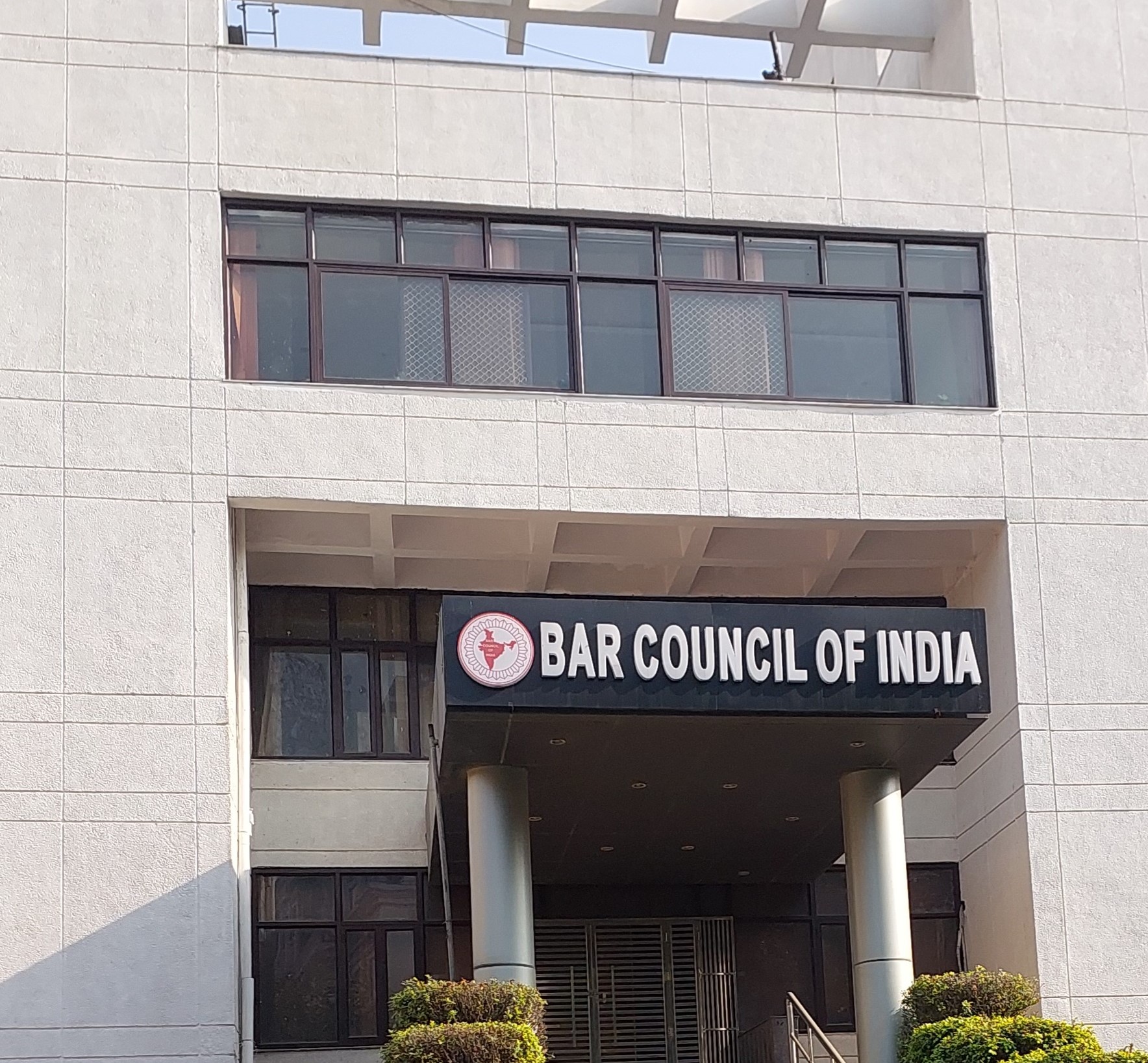
In a major ruling regarding campus activism, the Supreme Court has declared that the Bar Council of India lacks the legal authority to exercise disciplinary control over law students. The bench addressed the contentious NALSAR row, making it clear that penalizing learners or freezing their future enrolment over campus protests falls entirely outside the statutory mandate of legal regulatory bodies.
Limits of the Bar Council
The high-stakes legal battle erupted after the statutory body took coercive steps against students at the prestigious NALSAR university following demonstrations. Administrators and the regulatory leadership attempted to penalize student participants, triggering widespread debate over freedom of expression, institutional overreach, and the fundamental right to dissent within Indian law schools.
During the hearings, the apex court firmly rejected the notion that regulatory boards could police campus conduct or bar graduates from entering the profession based on disciplinary actions outside their jurisdiction. Justices emphasized that statutory oversight over advocates cannot be stretched to govern students who are still completing their academic degrees.
Consequently, the bench formally quashed the punitive orders issued against the NALSAR students, ensuring that future enrolments cannot be blocked arbitrarily. Legal scholars have hailed the verdict as a vital safeguard protecting academic freedom and student rights from regulatory interference.