Director Removal: High Court Limits Interim Injunctions on Companies
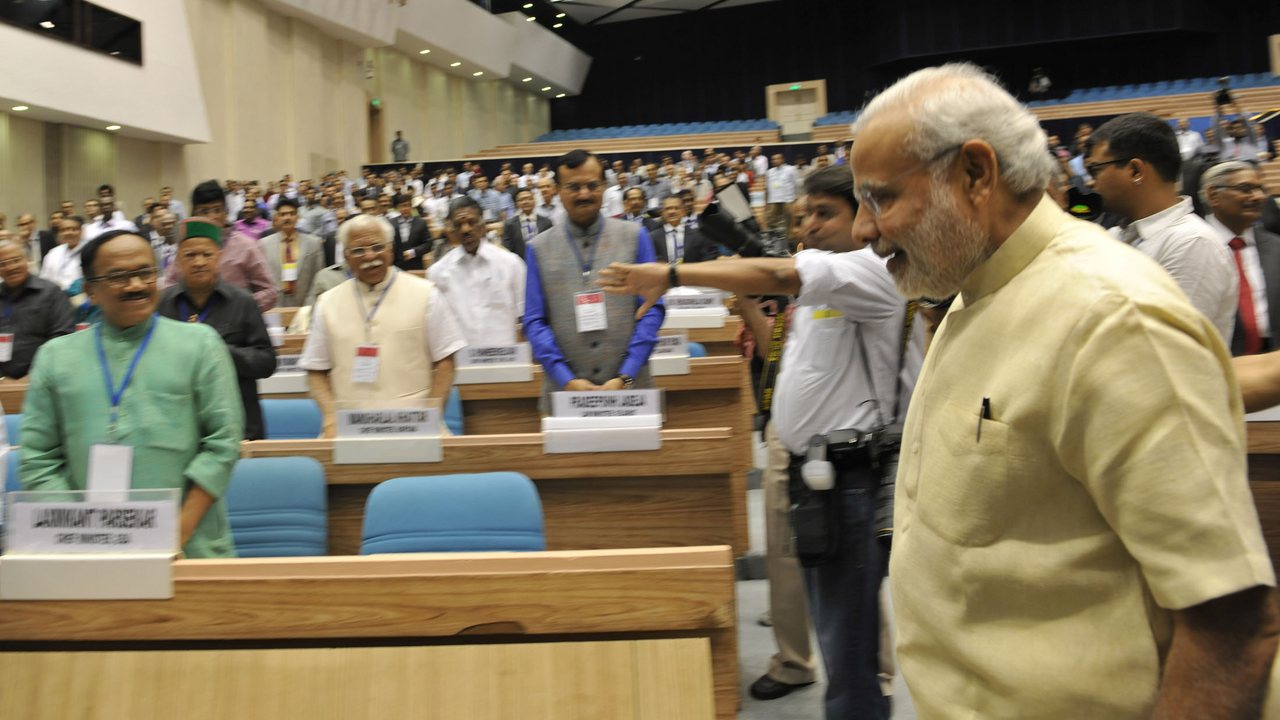
The Prime Minister, Shri Narendra Modi at the "Joint Conference of Chief Ministers of States and the Chief Justices of the High Courts", in New Delhi on April 05, 2015
Understanding the Shift in Corporate Governance Litigation
Corporate governance in India and across key global jurisdictions has entered a rigorous new phase. For years, disgruntled board members and minority shareholders facing ouster frequently turned to civil courts, seeking immediate interim injunctions to halt their removal. These temporary stays often paralyzed company operations, stalled strategic business decisions, and triggered prolonged boardroom battles. However, a landmark judicial re-evaluation by the High Court has fundamentally shifted this legal landscape. By raising the legal threshold for granting interim reliefs, the judiciary aims to protect the ultimate authority of general bodies and shareholders while preventing frivolous litigation from hijacking corporate administration.
When an executive or independent director faces removal due to performance disputes, strategic disagreements, or oppression proceedings, timing is everything. Historically, courts leaned toward maintaining the status quo, which inadvertently rewarded ousted individuals by freezing company decisions until a final verdict was reached—a process that could span several years. The recent legal pronouncements clarify that interim injunctions cannot be issued lightly or as a matter of routine practice. Courts now demand a rigorous demonstration of a strong prima facie case, irreparable harm, and an unshakeable balance of convenience before intervening in the internal management of a company.
Key Legal Grounds Behind the New Restrictions
The core philosophy driving the High Court’s latest stance is rooted in the principle of non-interference in internal corporate democracy. Under standard company law provisions, shareholders possess the inherent statutory right to remove a director through an ordinary or special resolution. When a court steps in too early with an interim injunction, it effectively overrides the collective wisdom of the general body. The judiciary has underscored that internal corporate disputes, especially those involving board evictions, must be resolved through substantive trials rather than sweeping temporary bans that disrupt business continuity.
Legal Parameter
Previous Judicial Approach
Current High Court Standard
Interim Relief Grant
Routine stay of director removal to maintain status quo
Strictly restricted; granted only under exceptional circumstances
Burden of Proof
Minimal threshold focusing on temporary inconvenience
Heavy burden requiring undeniable proof of corporate oppression or fraud
Impact on Operations
Boardroom paralysis due to prolonged legal stalemates
Uninterrupted corporate functioning and empowered shareholder voting
Furthermore, legal experts note that this judicial recalibration serves as a strong deterrent against corporate blackmail. In many high-stakes corporate feuds, minority directors or factional leaders would weaponize interim injunctions to extract favorable settlements or block necessary corporate restructuring. By curbing the misuse of interim relief, the High Court ensures that corporate entities can execute timely board realignments, streamline operational efficiencies, and maintain investor confidence without the constant threat of judicial roadblocks.
Impact on Boardroom Dynamics and Shareholder Rights
For corporate directors, startup founders, and majority shareholders, this legal evolution introduces both opportunities and heightened responsibilities. On one hand, majority investors and promoters can now execute legitimate board restructuring or director removals with greater legal certainty. The fear of an indefinite injunction freezing vital corporate actions has significantly diminished. On the other hand, corporate boards must meticulously document every compliance procedure, statutory notice, and meeting minute. Because interim protection is harder to secure, any procedural lapse during a director removal process can be aggressively exploited by the aggrieved party during the main trial.
Shareholders must also navigate these changes with strategic foresight. Oppression and mismanagement petitions filed under corporate law will no longer guarantee an automatic shield for ousted directors. Instead, litigants must present concrete financial or statutory evidence of wrongdoing right at the outset. This creates a balanced environment where corporate democracy thrives, frivolous lawsuits are filtered out early, and genuine grievances receive structured, evidence-backed trials rather than rushed interim band-aids.
Frequently Asked Questions
Why did the High Court restrict interim injunctions on director removals?
The High Court restricted these injunctions to protect internal corporate democracy, prevent the paralysis of business operations, and stop litigants from misusing temporary stays to block legitimate shareholder decisions.
Can a removed director still challenge their ouster in court?
Yes, ousted directors retain the right to file substantive lawsuits or oppression petitions, but securing an immediate interim stay halting their removal has become significantly more difficult and requires exceptional legal justification.
How does this ruling affect everyday corporate governance?
It empowers majority shareholders and boards to execute necessary management changes efficiently while compelling companies to maintain strict adherence to statutory compliance and procedural correctness.
Prashanth is the editor of PakkaFilmy. He covers Telangana and Andhra Pradesh politics, Telugu and Indian cinema, sports, technology and useful public-interest news in clear, simple English. Every story is checked against available official information before publishing, as set out in our Editorial Policy. Follow PakkaFilmy on X: https://x.com/pakkafilmy007 | Telegram: https://t.me/pakkafilmytelugu | Instagram: https://instagram.com/pakkafilmy_