
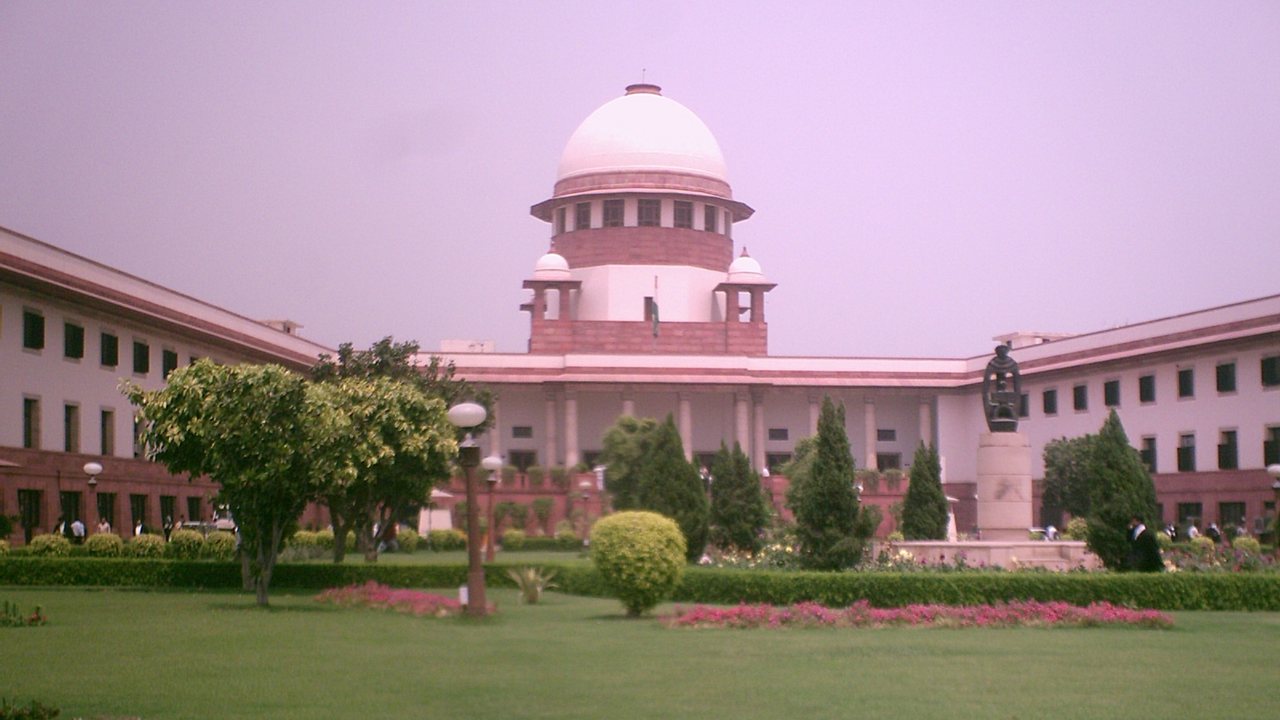
The legal landscape surrounding cinematic adaptations of Indian epics hit a major roadblock today as the Supreme Court of India firmly declined an urgent listing for a Public Interest Litigation (PIL) filed against the upcoming cinematic venture, Ramayana: Rise of a Legend. Spearheaded by director Nitesh Tiwari and featuring Bollywood star Ranbir Kapoor alongside a high-profile ensemble cast, the mega-budget project has consistently remained in the public eye. However, the apex judicial body made it unequivocally clear that judicial intervention cannot be sought arbitrarily to stall creative works, especially when the project has already moved past critical pre-release developmental stages. For global cinephiles, domestic fans, and Non-Resident Indians (NRIs) tracking the international trajectory of Indian cinema, this judicial development marks a decisive moment in balancing artistic freedom with cultural sensitivities.
A bench presided over by Chief Justice Surya Kant, alongside Justices Joymalya Bagchi and V Mohana, heard the urgent mention submitted by the petitioner. The PIL had alleged potential distortions of historical and religious facts within the narrative framework of the epic adaptation. Nevertheless, the bench expressed visible displeasure regarding the attempts to fast-track such petitions, explicitly remarking that courts should not waste precious judicial time on matters that lack immediate urgency or robust legal grounding. Legal experts note that this stance aligns with the judiciary’s recent pattern of discouraging speculative litigation targeting creative expressions, particularly when filmmakers assert adherence to respectful storytelling and mythological research. The dismissal of the urgent listing request means the case will proceed through standard judicial channels rather than receiving any fast-track interference.
Legal Scrutiny Versus Cinematic Freedom
The tension between creative license and community sentiments has historically shadowed high-profile cinematic retellings of Hindu epics in India. When mainstream creators attempt to reinterpret timeless texts using modern visual effects and contemporary narrative pacing, friction with conservative or activist groups is almost inevitable. In the case of Nitesh Tiwari’s Ramayana, anticipation has been matched by cautious skepticism from various quarters regarding how characters, chronology, and cultural nuances will be portrayed on screen. The petitioners in this instance argued that pre-emptive judicial checks were necessary to prevent any perceived distortion of sacred texts that could potentially hurt religious sentiments on a mass scale.
Conversely, defense counsels and entertainment industry stakeholders emphasize that artistic interpretations are protected under the umbrella of creative freedom, provided they do not incite violence or promote explicit hatred. By refusing an urgent hearing, the Supreme Court has signaled that premature apprehensions do not constitute ground for judicial injunctions. This approach provides a reassuring sign for producers and financial backers who inject massive capital into Indian cinema, knowing that completed or ongoing projects will not be arbitrarily derailed by sudden legal challenges right before theatrical milestones.
| Legal Aspect | Petitioner Arguments | Court Observations |
|---|---|---|
| Core Issue | Alleged distortion of facts in Ramayana | No immediate urgency warranting priority intervention |
| Judicial Bench | Led by Chief Justice Surya Kant | Advised against wasting judicial time on speculative pleas |
| Project Status | High-profile theatrical and global rollout | Film progression remains uninterrupted by interim stays |
Impact on Global Audiences and NRI Viewers
For the vast diaspora of Non-Resident Indians (NRIs) and international fans eagerly awaiting large-scale Indian mythological dramas, this Supreme Court order brings immense relief. Overseas markets contribute a substantial share of box-office revenues for pan-Indian productions starring top-tier talent like Ranbir Kapoor and Yash. Legal uncertainty and potential bans or delayed censorship clearances often create logistical nightmares for international distributors who coordinate synchronized global premieres across North America, the Middle East, Europe, and Australia.
When courts refuse to entertain frivolous or premature pleas designed to generate sensationalism, it stabilizes the business ecosystem surrounding global movie releases. Overseas ticket-holders can look forward to scheduled premieres without the looming threat of last-minute courtroom drama disrupting theatrical chains. Furthermore, this verdict reinforces confidence among global streaming platforms and international co-producers looking to invest in India’s booming creative economy, ensuring that artistic endeavors are judged by viewers in theaters rather than pre-emptively locked down in courtrooms.
FAQ
Why did the Supreme Court refuse the plea against Ramayana?
The Supreme Court bench, led by Chief Justice Surya Kant, refused an urgent listing because the petition lacked immediate legal grounds and observed that judicial time should not be wasted on speculative challenges against cinematic works.
Who are the key creative forces behind the Ramayana film?
The mega-project is directed by acclaimed filmmaker Nitesh Tiwari and stars prominent Bollywood actor Ranbir Kapoor, alongside a massive ensemble cast designed to bring the epic to global audiences with cutting-edge visual effects.
Does this ruling mean all legal challenges against the film are finished?
No, the ruling specifically denied an urgent hearing and a fast-tracked block. Standard legal proceedings on the PIL may still continue at a normal pace, but the film’s release timeline remains unaffected by any immediate judicial stay.

Prashanth is the editor of PakkaFilmy. He covers Telangana and Andhra Pradesh politics, Telugu and Indian cinema, sports, technology and useful public-interest news in clear, simple English. Every story is checked against available official information before publishing, as set out in our Editorial Policy. Follow PakkaFilmy on X: https://x.com/pakkafilmy007 | Telegram: https://t.me/pakkafilmytelugu | Instagram: https://instagram.com/pakkafilmy_
Related Posts