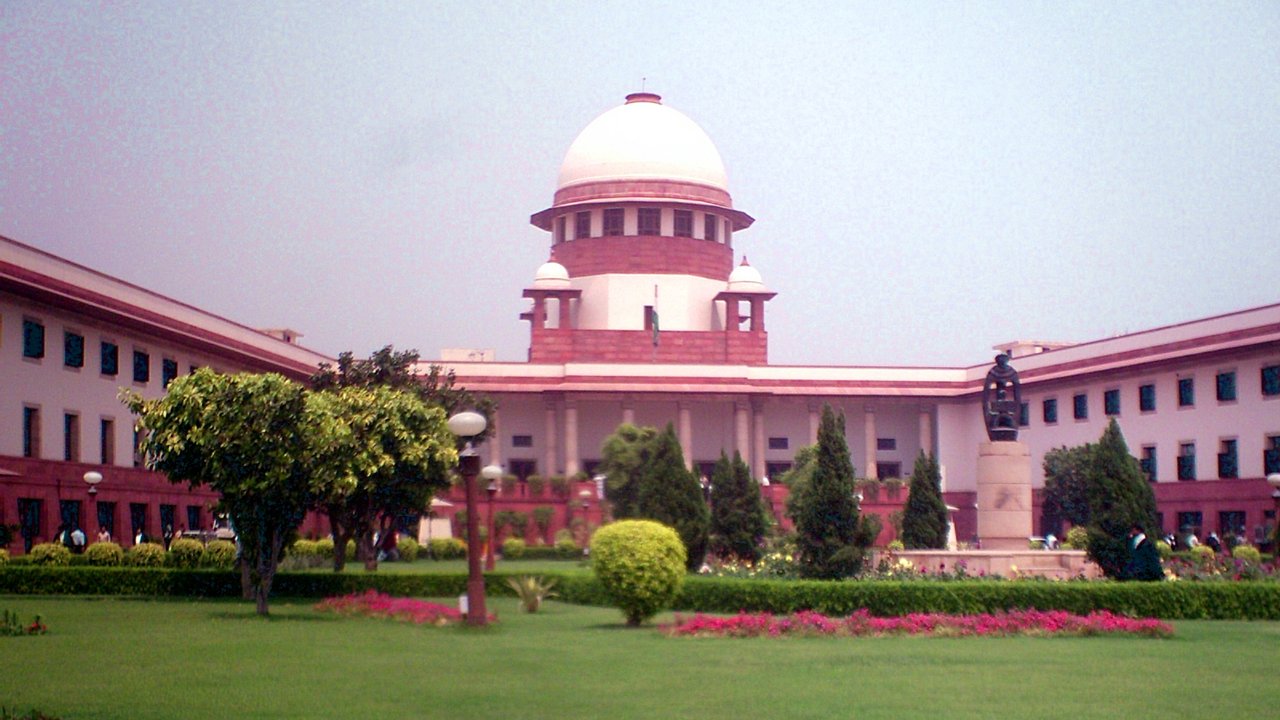
Can Suspended Staff Claim Full Back Pay? Supreme Court Examines
Sunplus Corp.
The Supreme Court of India is currently hearing a landmark service law matter that directly impacts millions of public sector, banking, and government employees nationwide. At the heart of the legal examination is a deeply critical question: Does an employee placed under a prolonged administrative suspension, only to be cleared of major charges later, automatically qualify for full back pay and consequential seniority benefits? This judicial review arrives at a time when bureaucratic delays and prolonged departmental inquiries have left countless workers grappling with financial uncertainty, psychological distress, and stagnant career progression.
For decades, institutional frameworks across central and state government departments, public sector undertakings, and nationalized banks have routinely suspended employees facing probes. While temporary suspension is legally recognized as a precautionary measure to ensure a fair and untainted inquiry, the administrative delay in concluding these proceedings often transforms a temporary measure into a prolonged punishment. In several recent instances, courts have observed that employees who were eventually exonerated or handed minor penalties still faced massive financial setbacks due to withheld salaries and frozen promotions. The apex court’s current scrutiny aims to establish a definitive, uniform jurisprudence regarding whether administrative lethargy should penalize the worker or if the state must compensate for systemic delays.
Understanding Legal Precedents And Suspension Norms
Under established service jurisprudence, suspension is not treated as a penalty in itself. However, the financial implications during and after the suspension period often mimic severe punitive action. When an employee is suspended, they are typically paid a subsistence allowance, which is a fraction of their actual salary. If the departmental inquiry drags on for years due to administrative inefficiency, the employee suffers immense financial strain. Legal experts point out that forcing an individual to survive on reduced allowances for years, only to deny full back pay upon reinstatement, violates foundational constitutional principles of fairness and the right to livelihood under Article 21.
Recent judicial interventions highlight a growing judicial impatience with arbitrary administrative actions. In notable preceding cases, apex and high court benches have penalized departments for unjustified delays, ordering compensation ranging from lakhs of rupees to strict departmental accountability. For instance, recent rulings penalized central financial institutions for forcing retired personnel to fight decades-long legal battles over delayed salary dues and terminal benefits. Such rulings underscore the urgent need for a transparent, time-bound framework governing departmental inquiries and the subsequent release of consequential benefits.
Suspension Stage
Standard Departmental Practice
Judicial Scrutiny & Employee Rights
Initial Order
Immediate relief from duties with subsistence allowance
Must be based on prima facie gravity; arbitrary use discouraged
Prolonged Inquiry
Delays extending past several months or years without progress
Courts demand strict timelines; prolonged delays favor full pay
Reinstatement / Exoneration
Restoration of duty with conditional or partial back pay
Mandates consideration of full consequential benefits and seniority
Impact On Public Sector And NRI Workforce
While the immediate beneficiaries of this legal scrutiny are domestic government and banking personnel, the broader implications ripple across India’s structured corporate and public employment ecosystems. For Non-Resident Indians (NRIs) and families with members working in state-backed institutions, understanding these service rights provides crucial insight into family financial security and retirement planning. Prolonged legal battles over pension fixation, gratuity, and delayed arrears often disrupt long-term financial goals, making clarity from the highest court a welcome development for public sector stakeholders.
Furthermore, human resource departments across various ministries and public sector banks are closely monitoring these proceedings. A strict ruling from the Supreme Court mandating automatic consequential benefits and full back pay in cases of unjustified or unduly delayed suspensions will force employers to fast-track departmental inquiries. This administrative accountability could drastically reduce arbitrary suspensions, protecting honest workers from systemic victimization and ensuring that administrative power is exercised judiciously rather than punitively.
FAQs On Suspension And Consequential Benefits
Q: What are consequential benefits in service law?
Consequential benefits refer to the restoration of seniority, notional promotions, annual increments, and financial arrears that an employee would have received had they not faced suspension or disciplinary delays.
Q: Does exoneration automatically guarantee full back pay?
Not always automatically, but recent judicial trends favor full back pay and benefits unless the employer proves that the employee was responsible for delaying the inquiry proceedings.
Q: Can an employee challenge a prolonged suspension in court?
Yes, employees can approach administrative tribunals or high courts challenging prolonged suspensions, especially when the inquiry fails to make headway within a reasonable timeframe.
Prashanth is the editor of PakkaFilmy. He covers Telangana and Andhra Pradesh politics, Telugu and Indian cinema, sports, technology and useful public-interest news in clear, simple English. Every story is checked against available official information before publishing, as set out in our Editorial Policy. Follow PakkaFilmy on X: https://x.com/pakkafilmy007 | Telegram: https://t.me/pakkafilmytelugu | Instagram: https://instagram.com/pakkafilmy_