Why ICC Rejected Shubman Gill’s Plea Over Cricket’s Saliva Ban
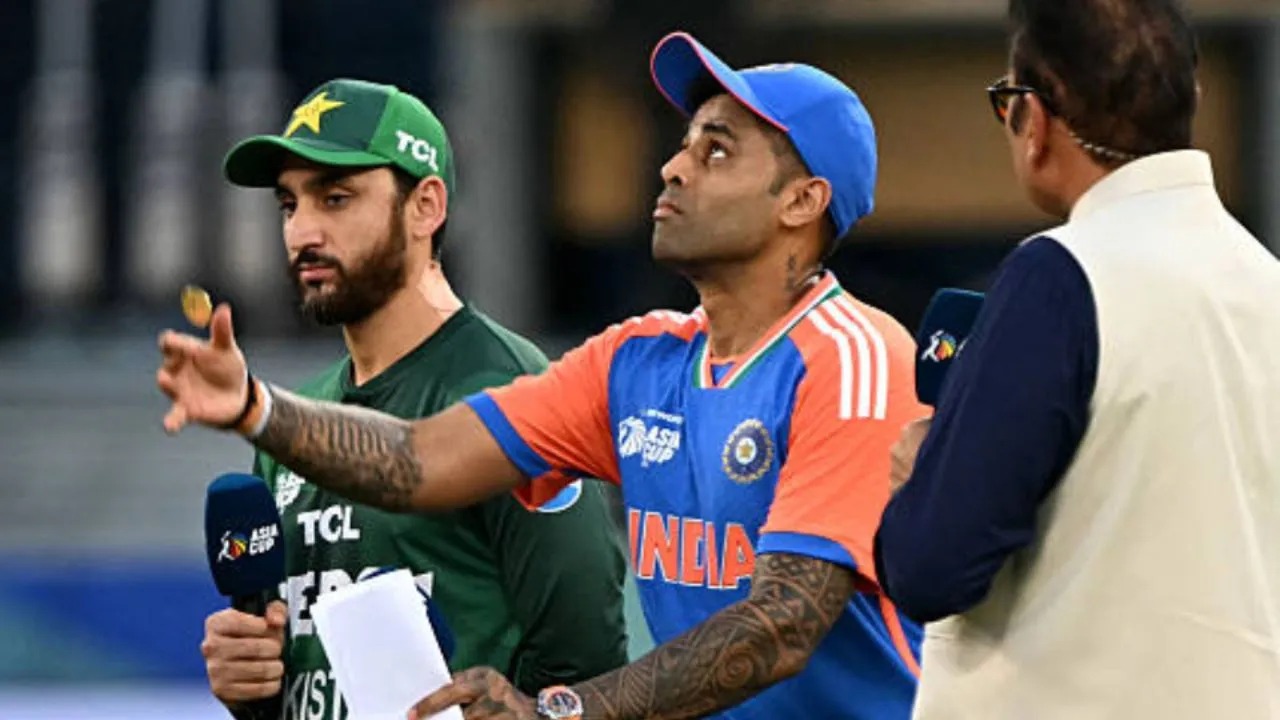
The International Cricket Council has firmly maintained its stance on prohibiting the use of saliva to shine cricket balls, rejecting a direct appeal made by India captain Shubman Gill. Following a hard-fought and tense Test match in Wellington where pace bowlers from both sides visibly struggled to extract traditional reverse swing from the deteriorating pitch, Gill openly questioned the rationale behind keeping the pandemic-era restriction in place.
During the post-match discussions, the young Indian skipper voiced widespread frustration shared by numerous international bowlers who find modern ball-management increasingly challenging. Without the application of natural moisture, fielding sides argue that the red ball loses its abrasive qualities prematurely, heavily tipping the scales in favor of batsmen on flat tracks worldwide.
Shubman Gill Saliva Ban Cricket
Despite the growing appeals from prominent players regarding deteriorating bowling conditions, governing officials clarified that the restriction remains a permanent health and hygiene measure. Medical advisors committee data continuously highlights the minimal risk of pathogen transmission, prompting sports authorities to prioritize standardized hygiene protocols across all global formats.
Furthermore, cricket administrators believe that retaining the dry-ball policy encourages innovation among contemporary fast bowlers, who must now rely strictly on sweat and polished seam positioning. As teams travel for upcoming international series, coaching staffs are actively adjusting bowling strategies to adapt permanently to these strict regulations without expecting any immediate rule rollbacks.
Prashanth is the editor of PakkaFilmy. He covers Telangana and Andhra Pradesh politics, Telugu and Indian cinema, sports, technology and useful public-interest news in clear, simple English. Every story is checked against available official information before publishing, as set out in our Editorial Policy. Follow PakkaFilmy on X: https://x.com/pakkafilmy007 | Telegram: https://t.me/pakkafilmytelugu | Instagram: https://instagram.com/pakkafilmy_