Delhi air pollution: Levels hit 60 times WHO limit, but can policy change?
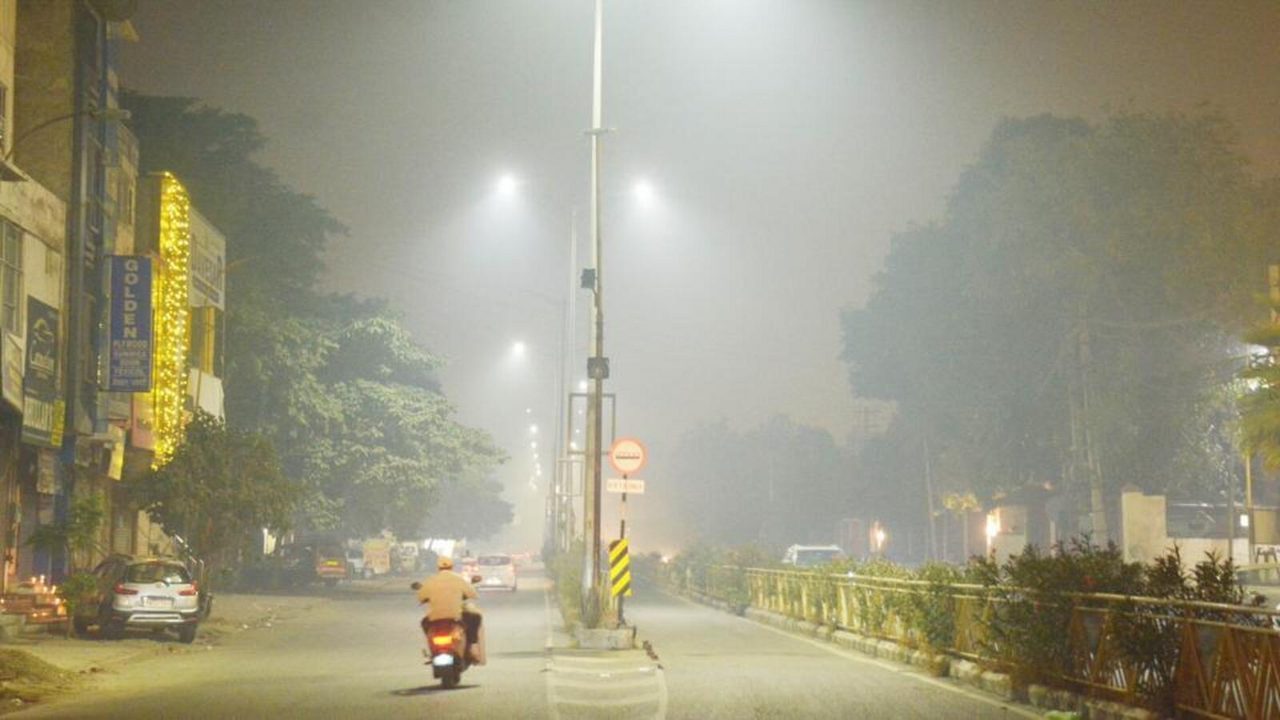
The national capital is engulfed in hazardous smog after the recent Deepavali celebrations, despite bans on firecrackers. Widespread pyrotechnic bursts pushed particulate matter to extreme highs, with some monitoring stations recording concentrations more than sixty times the World Health Organization safety limit. Residents report difficulty breathing as visibility drops sharply across the metropolitan area, and many schools have been forced to close due to poor air quality.
Delhi air pollution crisis response
Medical professionals have issued urgent warnings about acute respiratory distress, emphasizing heightened risks for vulnerable groups. The toxic haze has also spread to neighboring Haryana and distant cities such as Mumbai, where local emissions contribute significantly to fine particulate levels. Critics argue that blaming adjacent states diverts attention from delayed regulatory enforcement and urban factors that exacerbate the crisis within Delhi itself.
Opposition leaders have accused the central government of denial regarding pollution‑related fatalities and are demanding nationwide policy reforms. They call for an internal review of urban planning, stricter enforcement of emission standards, and immediate measures to curb seasonal air quality deterioration. Public health advocates stress that prolonged exposure severely impacts cardiovascular and respiratory health, urging nationwide campaigns on eye protection, indoor filtration, and respiratory safety.
Observers will closely watch how federal and municipal authorities respond to mounting demands for structural environmental reforms. Political parties continue to press for comprehensive mitigation strategies, public health interventions, and accountability measures to prevent recurring seasonal catastrophes. The urgency of decisive action remains paramount as the city braces for future climatic shifts that could further degrade urban environmental standards, including potential restrictions on vehicular traffic and industrial output.
Prashanth is the editor of PakkaFilmy. He covers Telangana and Andhra Pradesh politics, Telugu and Indian cinema, sports, technology and useful public-interest news in clear, simple English. Every story is checked against available official information before publishing, as set out in our Editorial Policy. Follow PakkaFilmy on X: https://x.com/pakkafilmy007 | Telegram: https://t.me/pakkafilmytelugu | Instagram: https://instagram.com/pakkafilmy_