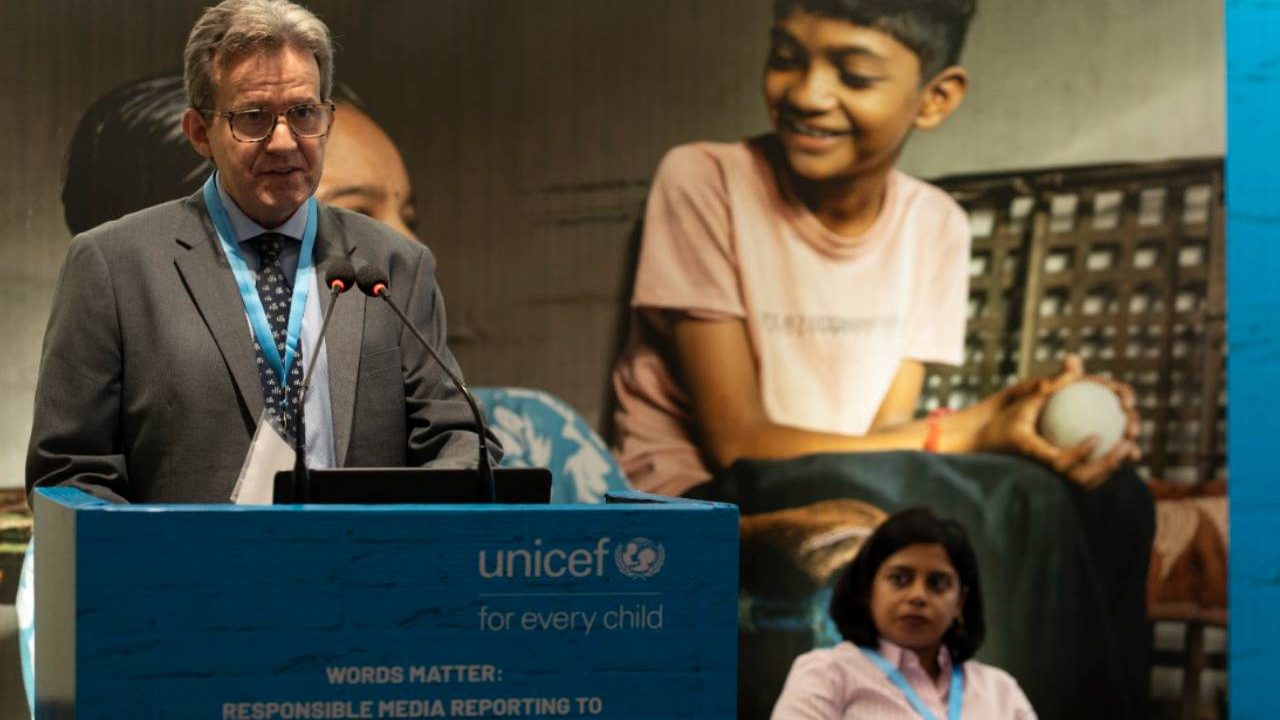
Mental Health: Recovery Stories Help Break Stigma, Says UNICEF
UNICEF India has recently emphasized that sharing personal journeys of healing and overcoming psychological struggles can play a powerful role in dismantling deep-rooted social prejudices. Addressing community platforms and public awareness initiatives, health advocates pointed out that listening to individuals who have successfully navigated their psychological challenges encourages empathy and normalizes conversations around emotional well-being. This perspective aligns with a growing global movement to destigmatize invisible illnesses and foster supportive environments where individuals feel safe seeking professional assistance.
Mental Health Recovery Stories Help
Building on these insights, experts and public figures have increasingly opened up about their own emotional rollercoasters, highlighting that psychological distress can affect anyone regardless of age or background. Recent discussions have focused heavily on the unique pressures faced by young people dealing with grief and loss, as well as the societal expectations surrounding masculinity that often prevent men from expressing vulnerability. These narratives demonstrate that healing is an ongoing process rather than a destination, reinforcing the message that reaching out for support is a sign of strength rather than weakness.
Public awareness campaigns addressing emotional well-being have gained significant momentum across various sectors, including educational institutions and specialized medical facilities. Conferences and community festivals are frequently utilized to bridge the gap between clinical psychology and everyday understanding, bringing together legal experts, healthcare providers, and educators to discuss comprehensive care systems. Furthermore, modern discussions now examine the physiological limitations of simply sleeping off psychological exhaustion, educating the public on why professional intervention and holistic care remain essential for long-term recovery.
Cultural stigma has historically silenced individuals suffering from psychological distress, often delaying critical diagnosis and treatment until crises emerge. By promoting open dialogue and sharing relatable journeys of resilience, public health advocates hope to inspire local communities to establish stronger support networks, particularly for vulnerable youth and families navigating sudden loss or emotional trauma. Looking ahead, observers will be watching closely to see how regional health departments and educational institutions translate these advocacy principles into actionable community programs. Future initiatives are expected to leverage digital platforms, social media communities, and artificial intelligence tools to reach wider audiences and provide accessible resources for youth guidance. Sustained collaboration between policymakers, medical professionals, and community leaders will remain crucial to ensuring that psychological support systems continue expanding to meet the diverse needs of the population.
Prashanth is the editor of PakkaFilmy. He covers Telangana and Andhra Pradesh politics, Telugu and Indian cinema, sports, technology and useful public-interest news in clear, simple English. Every story is checked against available official information before publishing, as set out in our Editorial Policy. Follow PakkaFilmy on X: https://x.com/pakkafilmy007 | Telegram: https://t.me/pakkafilmytelugu | Instagram: https://instagram.com/pakkafilmy_