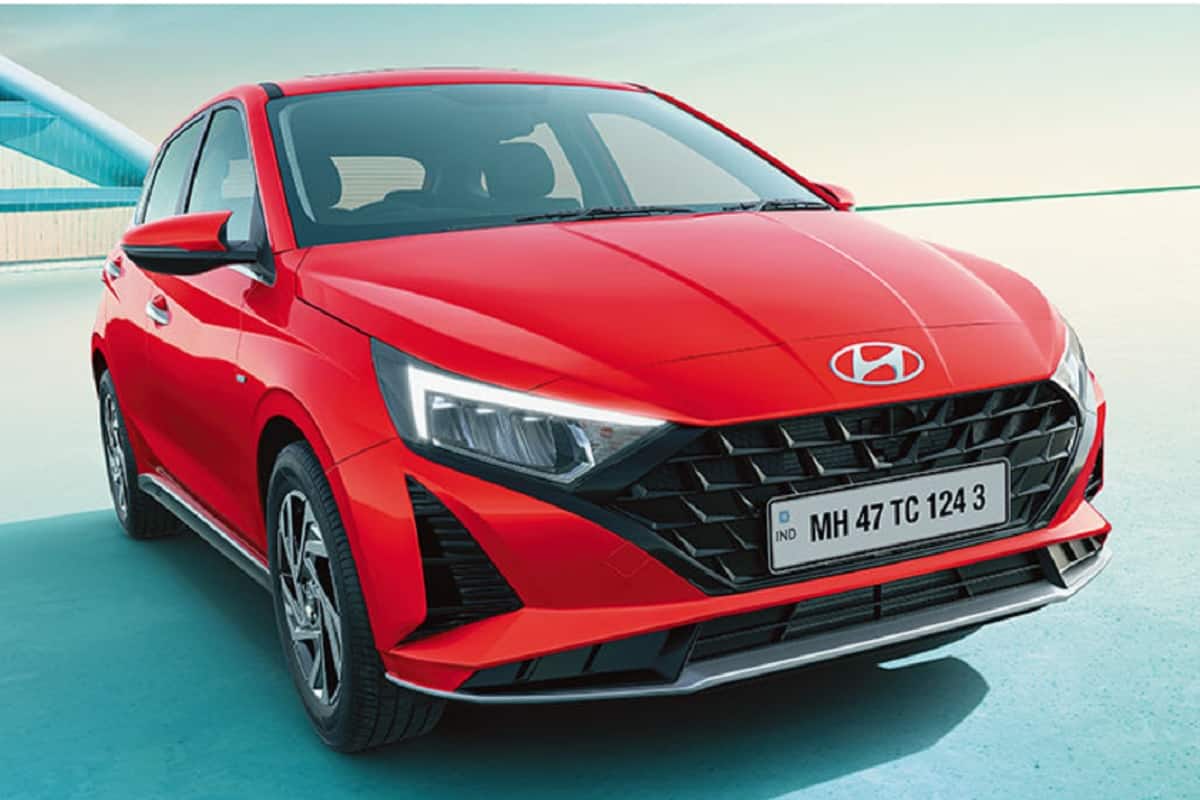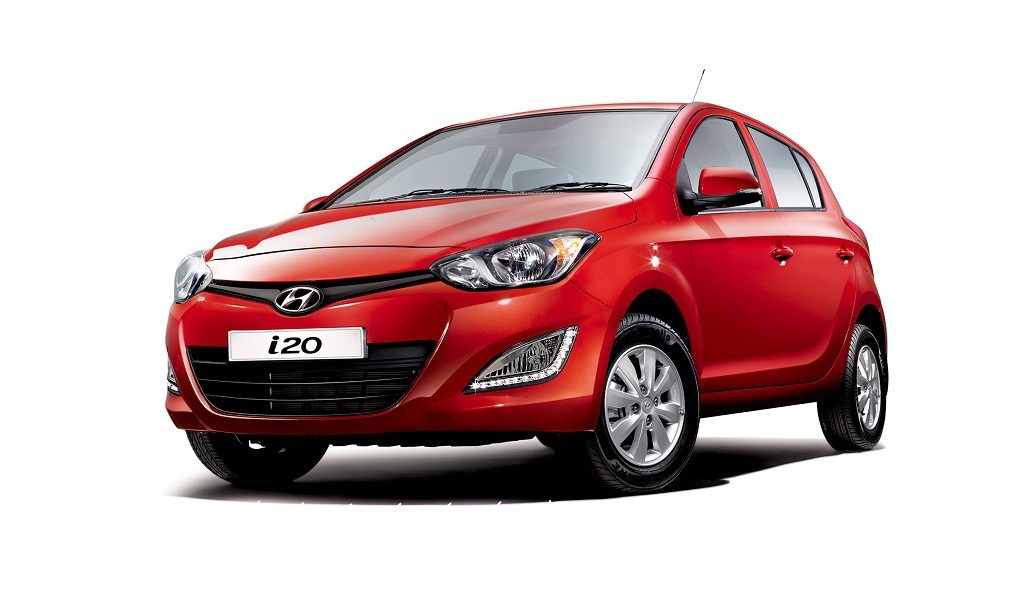

Hyundai i20: Real Costs, Service, Comfort & Resale Guide reveals that the true ownership experience extends far beyond the showroom price. After the first year, when free services end, expenses like fuel efficiency, insurance, and tire replacement become critical. While official mileage figures are optimistic, actual fuel economy in city traffic is lower, especially with AC use. Diesel variants offer better efficiency but only suit high-mileage drivers. Additionally, choosing an insurer with a strong cashless garage network is vital for hassle-free claims.
The density of the service network significantly impacts ownership. Hyundai has a robust presence in major cities but less in tier-three towns, unlike Maruti Suzuki’s extensive coverage. Before buying, check if the nearest service center has an in-house body shop; outsourced repairs take longer. Cabin comfort also matters over time. The Hyundai i20’s cushioned seats may feel less supportive on long journeys, while firmer seats in rivals like the Maruti Swift offer better endurance. A strong AC with rear vents and good noise insulation are essentials for Indian summers.
Resale value depends on timing and maintenance. Most hatchbacks depreciate heavily in the first year, then stabilize before dropping after five years. White and silver colors fetch better prices, as they hide dust and scratches well. Keeping a detailed service history reassures buyers and helps secure a higher selling price. Cars with moderate mileage and transferable warranties are easier to sell, while high-mileage vehicles may face caution due to potential repairs.
In conclusion, the Hyundai i20 is a strong contender for daily commuting, but its real value lies in understanding running costs, service accessibility, and comfort nuances. By focusing on these factors rather than just brochure features, buyers can enjoy a more satisfying and cost-effective ownership experience.