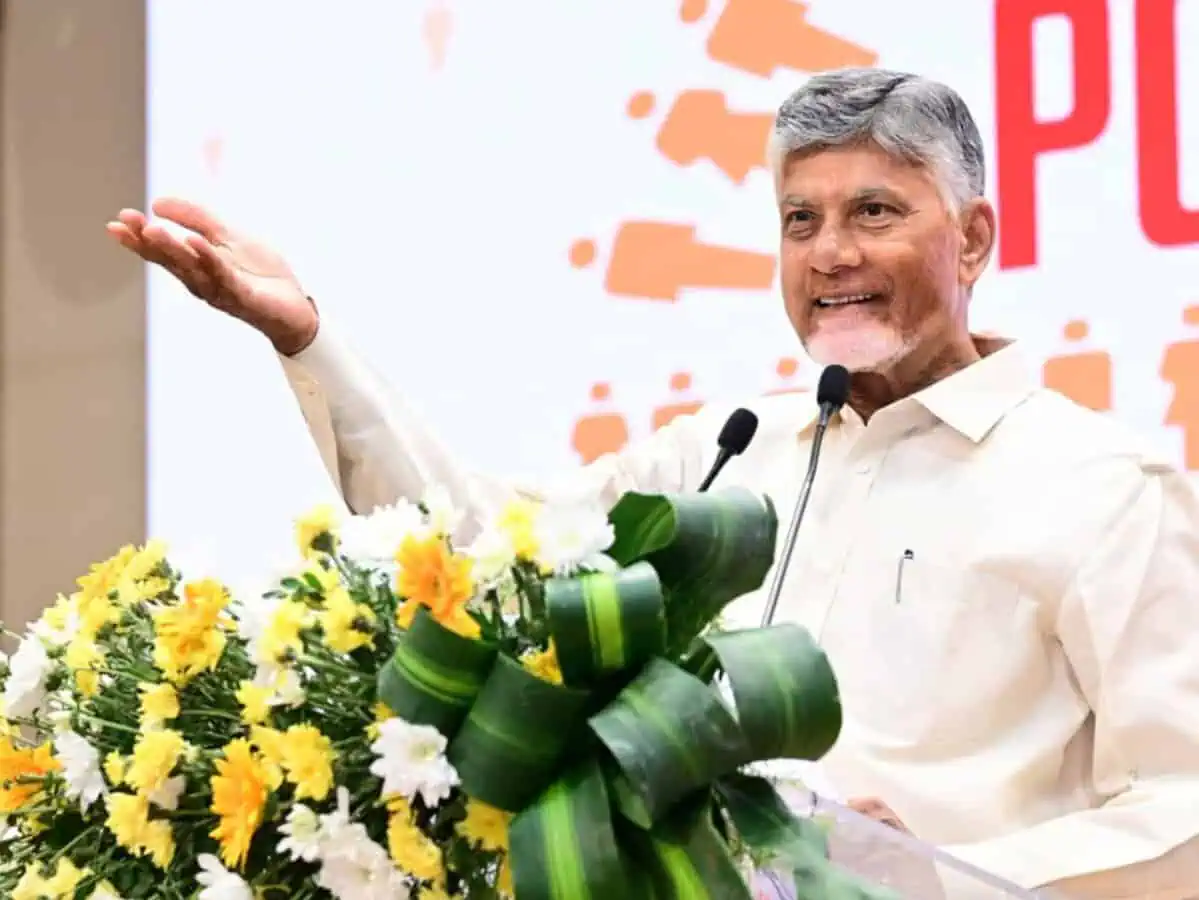
Vice President C.P. Radhakrishnan recently highlighted the core drivers of India’s sustained growth during a prominent public address, emphasizing the nation’s capacity to navigate a rapidly changing global landscape. Speaking on national development, he noted that the country’s economic and strategic strength is deeply rooted in its ability to proactively respond to evolving international dynamics. As global markets experience continuous transformation across multiple sectors, policymakers and industry leaders are increasingly focusing on strategic foresight and national preparedness to maintain competitive advantages on the world stage.
A central theme of the discussion centered on the rapid evolution of modern digital infrastructure and enterprise capabilities. Modern industries are increasingly required to overhaul traditional operational models to keep pace with global modernization efforts. This digital evolution encompasses widespread automation, advanced data analytics, and the integration of artificial intelligence into daily business processes. Observers point out that Indian enterprises are accelerating their adoption of these advanced capabilities to streamline supply chains, enhance productivity, and secure a stronger foothold in international markets.
Beyond digital advancement, the broader conversation encompassed shifting patterns in international commerce and macroeconomic diplomacy. Supply chain resilience has become a paramount priority for nations worldwide, prompting India to diversify its trade partnerships and strengthen domestic manufacturing ecosystems. By fostering a business-friendly environment and encouraging domestic innovation, the country aims to insulate its economy from external shocks. Experts suggest that these coordinated measures in trade and commerce will play a critical role in sustaining long-term economic momentum and creating robust employment opportunities.
Ultimately, the nation’s ongoing transformation reflects a comprehensive strategy to harmonize economic growth with international standards. Leaders across various sectors continue to advocate for structural reforms that empower local industries to compete globally. As international trade policies and digital standards continue to evolve, the emphasis remains on continuous learning, infrastructure development, and sustainable progress. Observers conclude that India’s proactive stance in addressing these systemic developments will define its trajectory as a major economic and strategic powerhouse in the coming years.