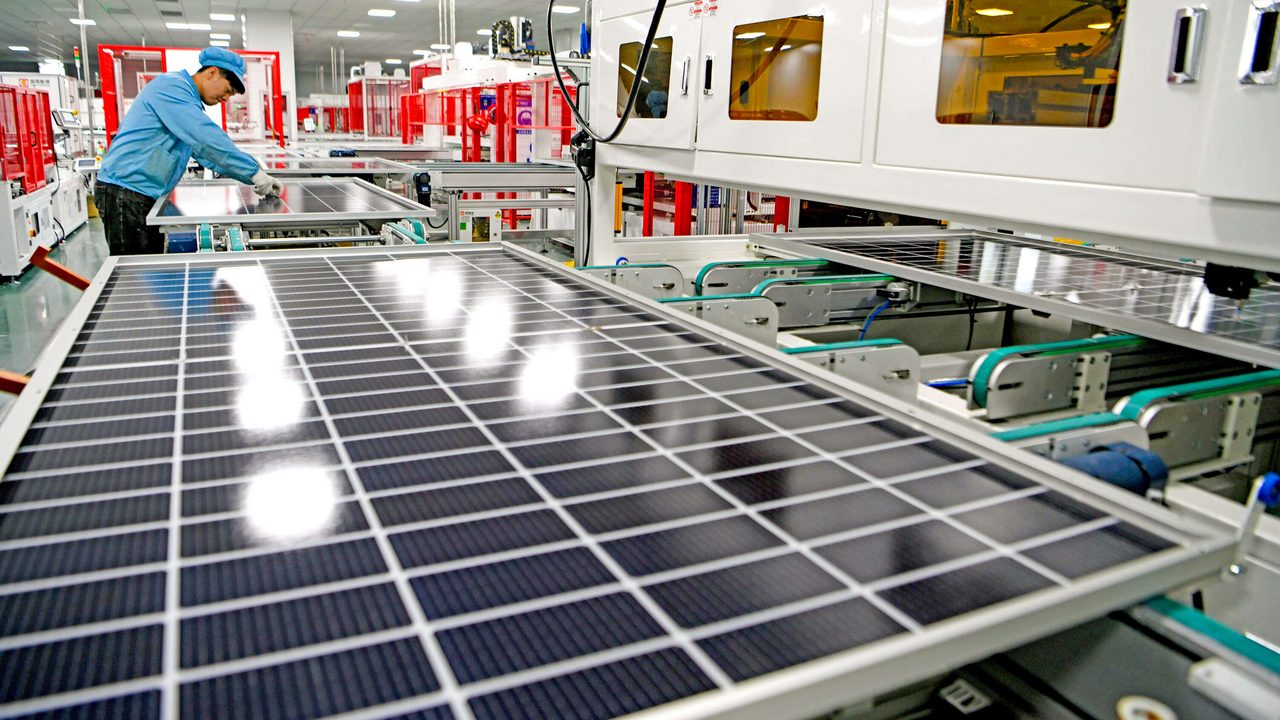
New regulatory hurdles are emerging as China tightens export curbs on advanced production machinery and proprietary methods used in photovoltaic panel fabrication. Industry reports say the proposed restrictions target outbound manufacturing expertise and specialized equipment from major global suppliers, a move that could directly impact India’s efforts to scale up its native solar manufacturing capacity. Policymakers and commercial stakeholders are currently assessing how these foreign‑policy shifts might affect near‑term clean‑energy deployment targets and infrastructure timelines across the subcontinent.
Export curbs strain Indian manufacturing
Domestic solar facilities in India rely heavily on imported components and technical know‑how to meet competitive scale and efficiency benchmarks. Any sudden constriction in the supply of critical fabrication hardware risks slowing operational schedules of newly planned manufacturing plants in regions such as Andhra Pradesh and Telangana. Observers note that the renewable‑energy supply chain remains vulnerable because manufacturing dominance is still concentrated in a single overseas market.
Local developers have launched ambitious incentives and facility expansions to reduce reliance on external suppliers, yet bridging the technological gap requires sustained access to specialized global machinery. The potential delays could influence the pace and cost of upcoming green‑energy installations, with regional utility providers and commercial enterprises possibly facing extended wait times or higher procurement expenses for rooftop arrays and utility‑scale projects.
Industry observers will monitor how Indian policymakers respond through revised domestic incentives, strategic trade partnerships, and new government support measures designed to cushion the sector against equipment shortfalls. The ability of regional firms to secure alternative sourcing channels will heavily determine the trajectory of the green manufacturing rollout in the coming months.