
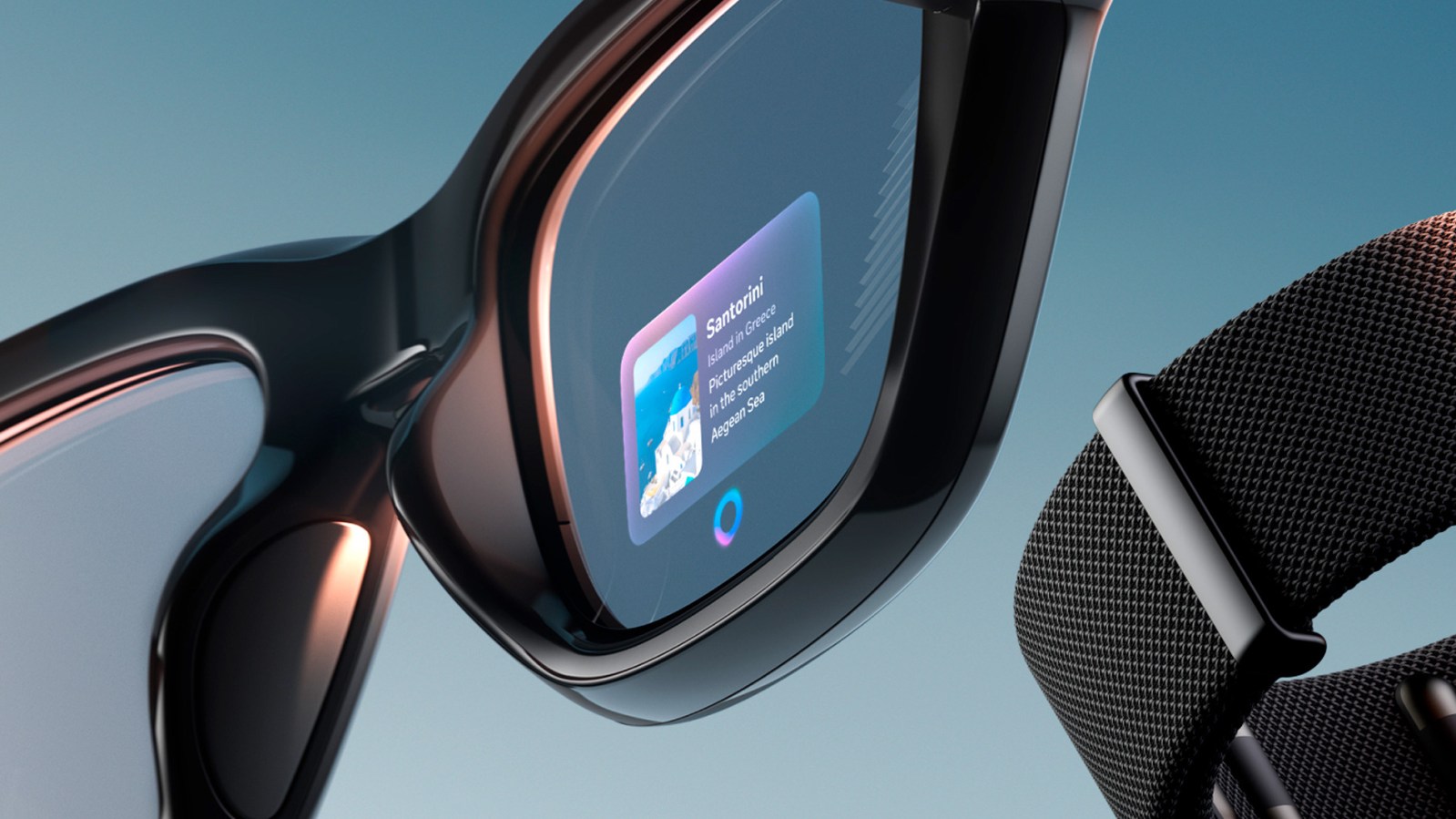
The rapid adoption of wearable technology has brought a new set of challenges to the Indian landscape, where smart glasses are becoming a significant point of contention among privacy advocates. As these high-tech spectacles integrate seamlessly into daily fashion, their ability to record high-definition video and capture images without obvious physical cues is creating a climate of suspicion. While the devices offer convenience through hands-free navigation and instant information access, the lack of clear boundaries regarding their use in public spaces has led to a series of social and legal friction points across several major cities. The integration of such technology into a densely populated environment presents unique hurdles that both the public and regulators are only beginning to navigate.
This local disruption reflects a global trend where the line between personal utility and public intrusion is increasingly blurred. From artificial intelligence pins to advanced eyewear, the next generation of consumer electronics is built around constant connectivity and sensory observation. Governments and citizens in various international hubs have already begun questioning the ethics of such hardware, with some regions implementing strict bans in educational institutions or investigating the misuse of cameras for secret filming in private areas. These global precedents highlight a growing anxiety that the convenience of having a camera at eye level might come at the steep cost of collective anonymity and individual safety. As the technology becomes more affordable and accessible, the friction between tech enthusiasts and privacy-conscious citizens continues to intensify.
In the specific context of the Indian market, the disruption stems from how these devices are being utilized in crowded urban environments. Recent observations indicate that the discreet nature of the hardware allows individuals to record others in sensitive locations like public transport, cafes, and shopping malls without obtaining any form of consent. This has raised alarms regarding the potential for digital harassment and the exploitation of vulnerable populations who may not even be aware they are being watched or documented. Unlike traditional smartphones, which must be held up to record, these glasses can capture high-resolution footage while the wearer appears to be simply looking around, making it nearly impossible for bystanders to know if their likeness is being captured. This invisibility of the recording process is the primary driver of the current societal friction, as existing privacy laws and social norms struggle to keep pace with the rapid speed of hardware innovation and distribution.
Looking ahead, the future of wearable tech in the country will likely depend on a combination of legislative action and technological adjustments. There is a pressing need for manufacturers to implement more prominent recording indicators, such as bright LED lights or audible signals, to ensure that surrounding individuals are clearly notified of active cameras. Furthermore, policymakers may need to define specific no-record zones or updated harassment laws to protect the public’s right to privacy in both commercial and non-commercial spaces. As artificial intelligence continues to be integrated into these frames, allowing for real-time facial recognition and data scraping, the stakes for personal security will only rise. This necessitates a robust and ongoing dialogue between tech developers, legal experts, and social stakeholders to ensure that technological innovation does not inadvertently infringe upon fundamental human rights and social peace.
Follow us on X (Twitter) for more updates.