Shehzad Poonawalla Quits BJP: Cites Financial Reasons for Exit
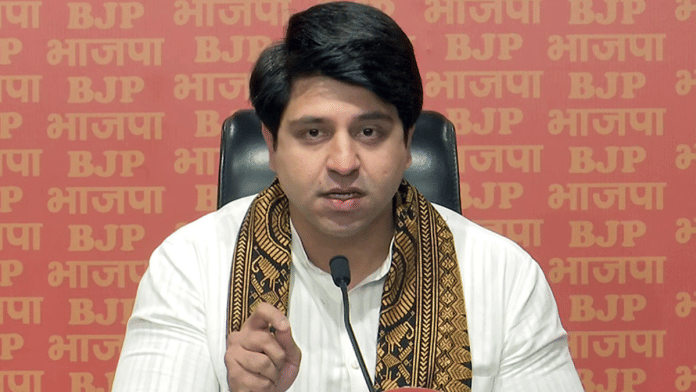
In a candid revelation, prominent political communicator Shehzad Poonawalla has officially stepped away from the Bharatiya Janata Party (BJP). The move, which has surprised many observers, comes as he shifts his focus toward managing pressing financial obligations and personal commitments that have become impossible to balance with full-time partisan politics. While his departure from the party structure has generated significant chatter, he emphasized that his core principles remain unchanged.
The Financial Realities Facing Shehzad Poonawalla
During his first public interview since submitting his resignation to Nitin Nabin, Shehzad Poonawalla laid bare the harsh economic realities of contemporary political life. He pointedly remarked that political organizations do not provide a salary, forcing him to prioritize his primary responsibility: paying his rent. By highlighting that his exit is rooted in the practical “vyavastha” or systemic demands of his daily life rather than a fallout with party leadership or a shift in his political ideology, he brought the often-ignored issue of financial sustainability for political figures into the spotlight.
Beyond his personal situation, the former spokesperson has used this transition to champion a broader economic agenda for the middle class. Drawing on his experience navigating the cost of living, Shehzad Poonawalla has publicly advocated for the complete abolition of income tax for salaried workers. He argues that the existing tax burden places an unfair weight on the Indian middle class, who often feel that their contributions to the exchequer are not matched by the quality of state-provided services or economic relief measures.
The resignation process was finalized after he sent multiple formal communications to party leadership, urging them to process his exit expeditiously. Despite leaving his role as a public face for the BJP, Shehzad Poonawalla has maintained a firm stance on his commitment to his personal integrity. He insists that his decision to walk away is a matter of necessity rather than political maneuvering, closing this chapter of his career to focus on the immediate fiscal requirements of his household.