Make in India: 12 Years of Massive Smartphone Manufacturing Growth
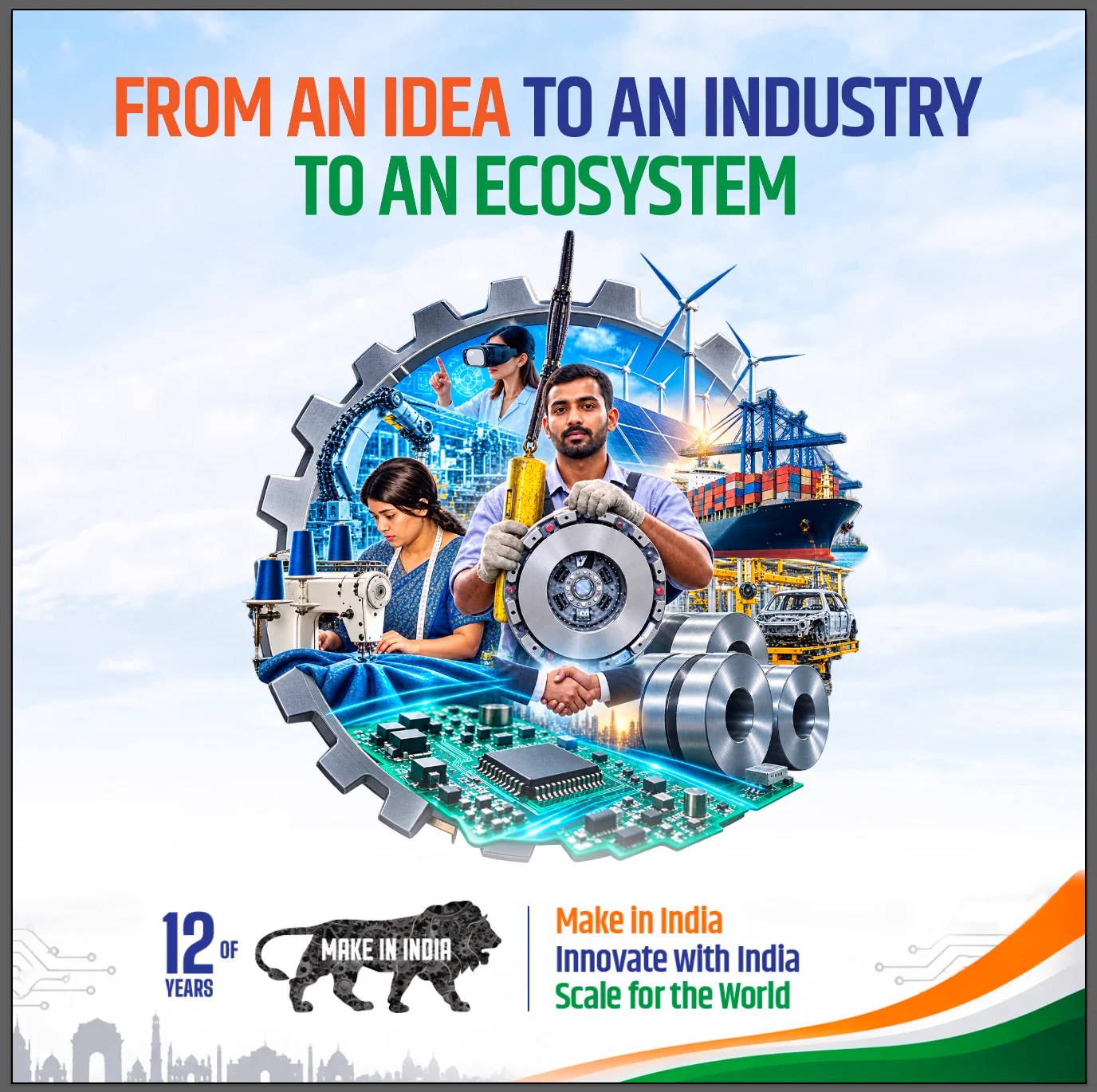
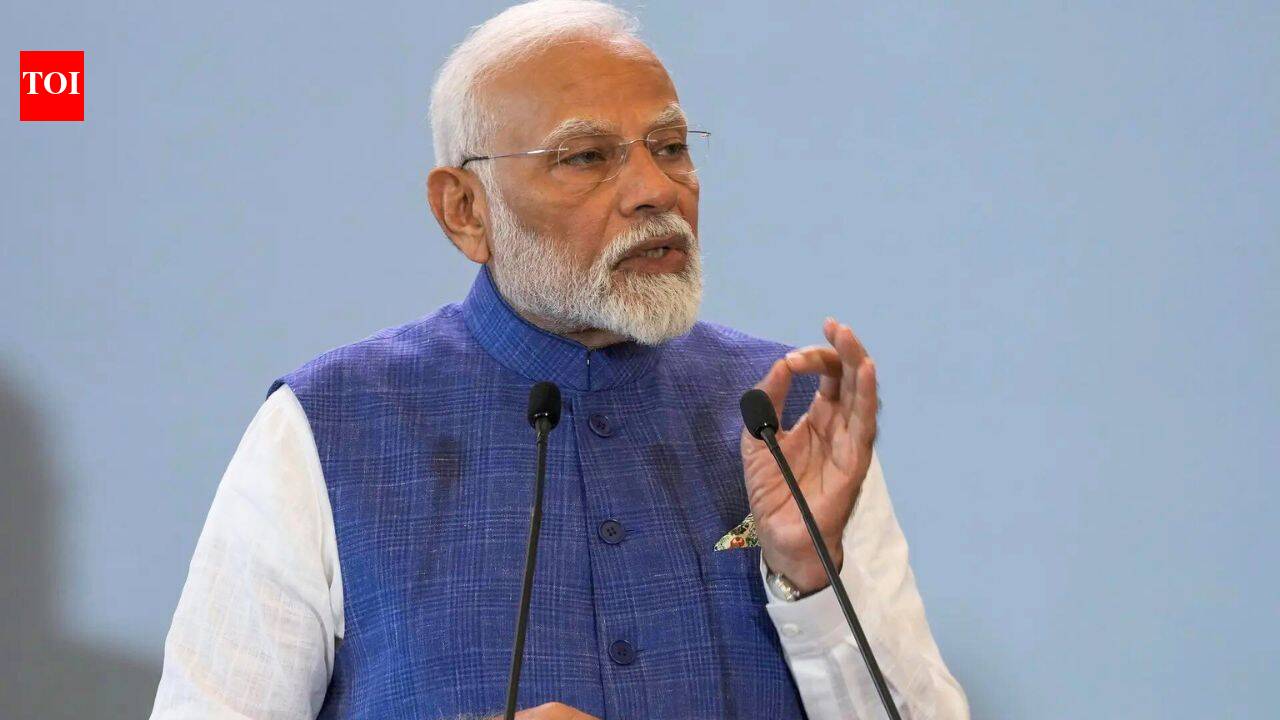
As the government marks 12 years of **Make in India**, Union Minister Ashwini Vaishnaw has highlighted the remarkable expansion of domestic smartphone manufacturing as a primary driver of the nation’s industrial progress. Prime Minister Narendra Modi and other key cabinet members recently commemorated the milestone anniversary, emphasizing how the ambitious economic initiative has steadily transformed the country into a competitive global manufacturing hub over the past decade.
Launched initially in September 2014, the flagship economic program was designed to facilitate investment, foster innovation, enhance skill development, and build best-in-class manufacturing infrastructure across various sectors. Over the last twelve years, supporters of the initiative have pointed to significant surges in foreign direct investment, rising export volumes, and a notable shift from a predominantly import-driven consumer market to a self-reliant production ecosystem. Government officials maintain that these foundational shifts have successfully positioned the nation as a reliable alternative supply chain partner for multinational corporations seeking to diversify their global operations.
Focusing specifically on the electronics sector, Vaishnaw noted that smartphone manufacturing has experienced exponential growth, shifting from a minor assembly base to a major exporter of high-end mobile devices. Major global technology brands have expanded their local production footprints significantly, generating substantial employment opportunities and boosting ancillary component industries. However, the milestone has also prompted broader economic discussions, with opposition leaders and independent analysts pointing out ongoing challenges related to private capital expenditure growth and the pace of formal job creation in certain traditional manufacturing segments.
Looking ahead, policymakers remain optimistic about the next phase of the industrial transformation, aiming to deepen domestic value addition and integrate further into global value chains. The government plans to continue leveraging targeted production-linked incentive schemes, infrastructure upgrades, and technological advancements to attract even larger investments in emerging sectors such as semiconductors, electric vehicles, and green energy equipment. As the initiative enters its thirteenth year, the primary objective will be to sustain this momentum, address existing structural gaps, and ensure that the manufacturing boom translates into widespread and inclusive economic prosperity for the workforce.