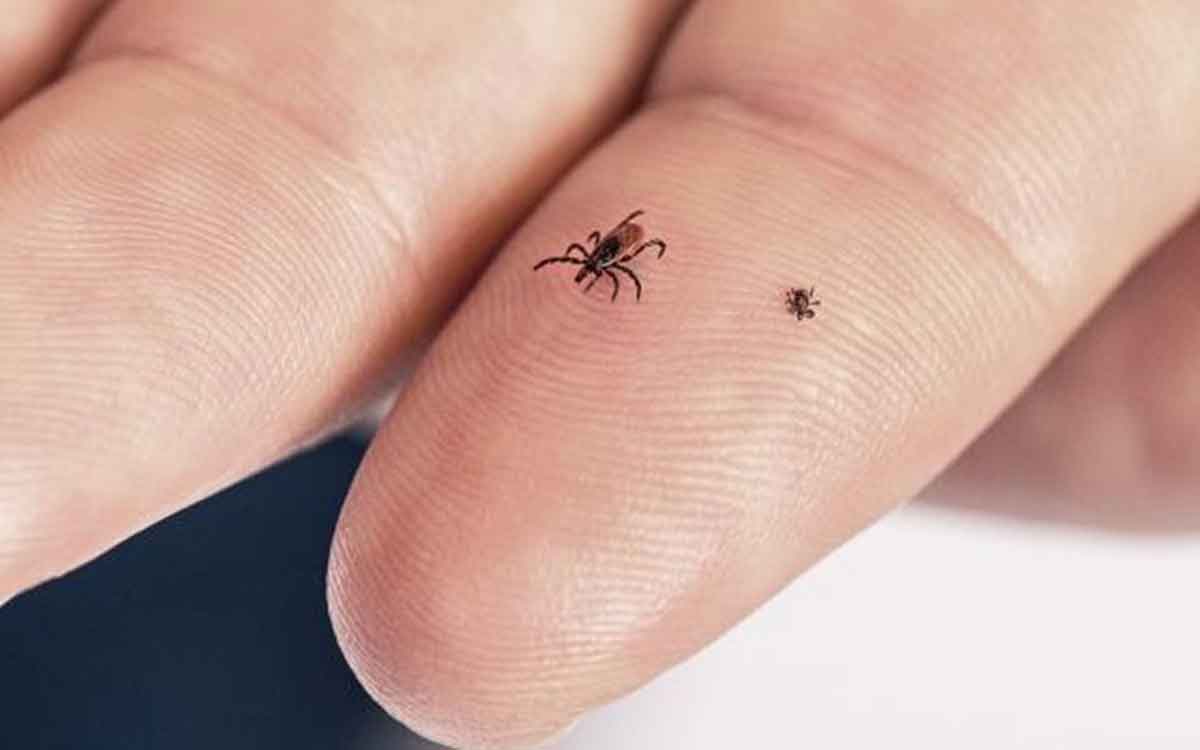
Lyme Disease: Essential Tick Bite Prevention Tips are crucial as spring arrives and more people spend time outdoors. These tiny parasites, which spread Lyme Disease, are now active in warm, humid weather. Often, individuals do not even realize they have been bitten by black-legged ticks, also known as deer ticks, which latch onto animals like deer and mice before biting humans. Prevention against Lyme Disease is the best strategy to stay safe.
The first signs of Lyme Disease usually appear within 3 to 30 days of a tick bite. Symptoms include fever, muscle pain, and extreme fatigue. A red, circular rash resembling a bull’s-eye may occur at the bite site, which is a key characteristic of Lyme Disease. However, this rash does not appear in everyone and can sometimes look like a common skin irritation. If these symptoms appear, consult a doctor immediately.
Diagnosis of Lyme Disease involves blood tests, but false negative results are possible in early stages. Treatment for Lyme Disease is effective with antibiotics if caught early, typically requiring 2 to 4 weeks. Without treatment, Lyme Disease can lead to long-term problems affecting joints, the heart, and the nervous system. About 60 percent of untreated cases develop arthritis, along with severe headache, memory loss, and numbness in hands and feet.
Prevention of Lyme Disease is the only best option. Use tick repellents with DEET or picaridin when going outside. Wear full-sleeve shirts and long pants, preferably in light colors to spot ticks easily. Tucking pants into socks prevents ticks from climbing up. After returning home, change clothes and wash them in hot water. Check your body thoroughly, focusing on warm areas like armpits, neck, and behind ears. If a tick appears, carefully pull it out with tweezers. If a tick has been attached for over 36 hours, consult a doctor within 72 hours about preventive antibiotics. Research on a new vaccine shows 70 percent protection in trials, but prevention remains the best defense against Lyme Disease. Taking these steps ensures a safe and enjoyable time outdoors this spring.