30 days in jail: A new political storm has erupted over a significant change in India’s parliamentary rules. The Joint Parliamentary Committee (JPC) has recommended key amendments to a government bill that originally proposed automatic removal of elected representatives jailed for 30 consecutive days. Instead, the JPC suggests that if a leader spends 30 days in jail, they will only be suspended, not permanently dismissed—unless convicted of a serious crime. This revision seeks to prevent leaders from losing their posts due to possible political bias.
The original bill was introduced by the central government to address past controversies where ministers and chief ministers continued in their roles after being jailed. Under the new proposal, suspension applies only in criminal cases where the punishment is five years or more. If charges are not proven, the leader can resume their position. The 30 days in jail rule now triggers suspension rather than automatic removal, a shift that has sparked intense debate in political circles.
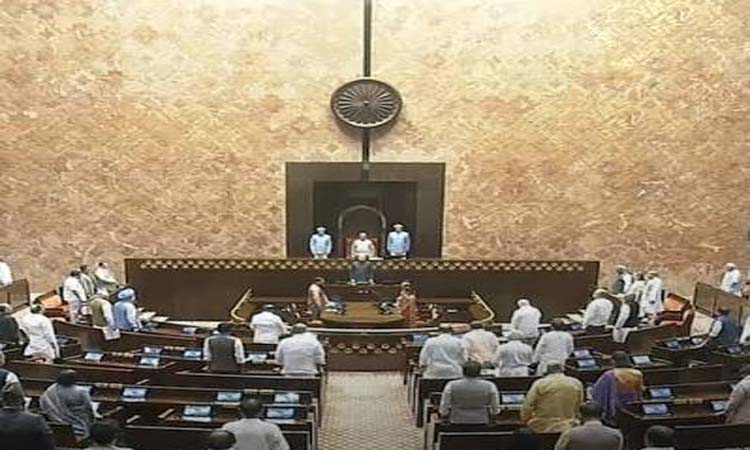
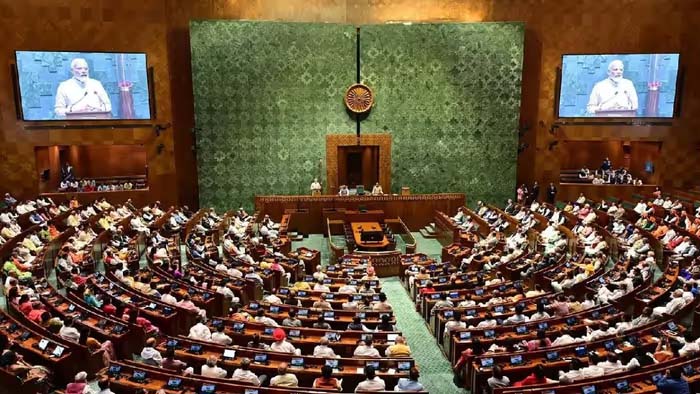
Parliament sessions starting on the 20th of this month are expected to see heated discussions. The ruling party plans a numbers game to pass women’s reservation and delimitation bills, previously rejected, while the opposition vows to block them. Amid this, the 30 days in jail amendment has become a central issue. The JPC believes the change protects leaders from politically motivated actions.
This amendment is likely to be passed in Parliament, making the 30 days in jail rule a hot topic. It balances accountability against political fairness, ensuring suspension instead of permanent loss of post unless guilt is proven. The debate highlights the ongoing tension between legal discipline and political rights in India.