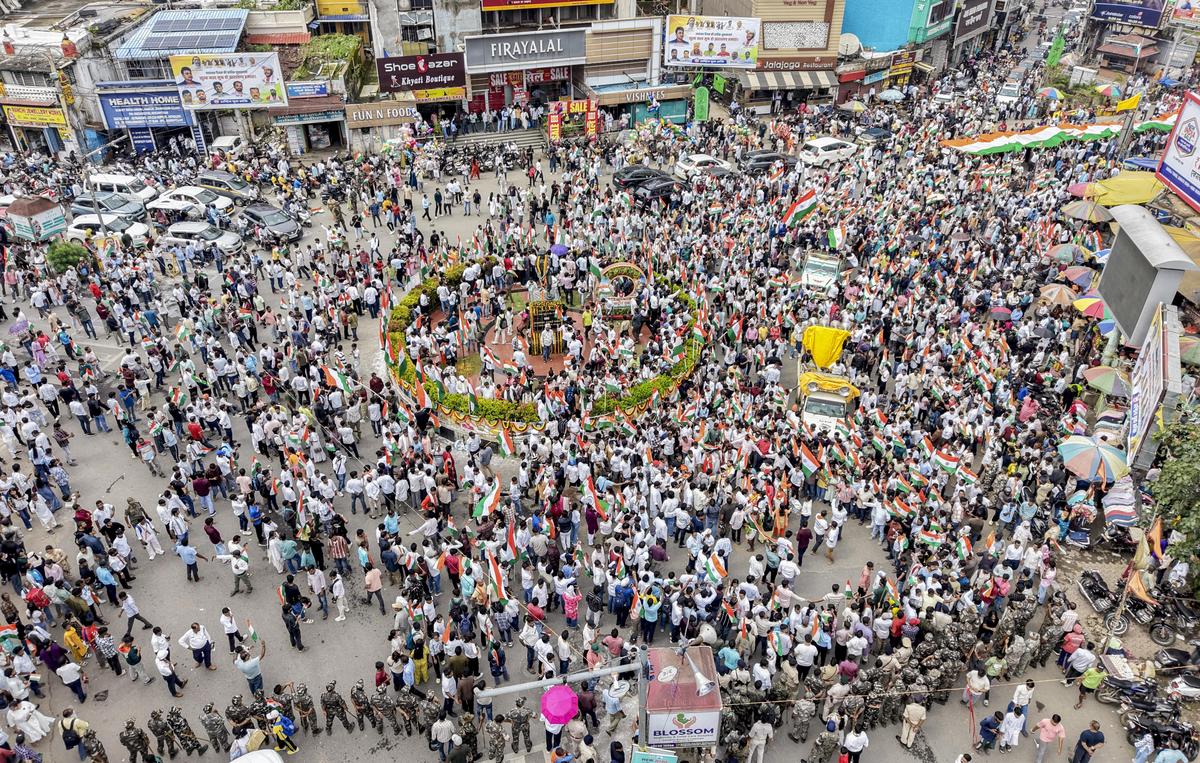
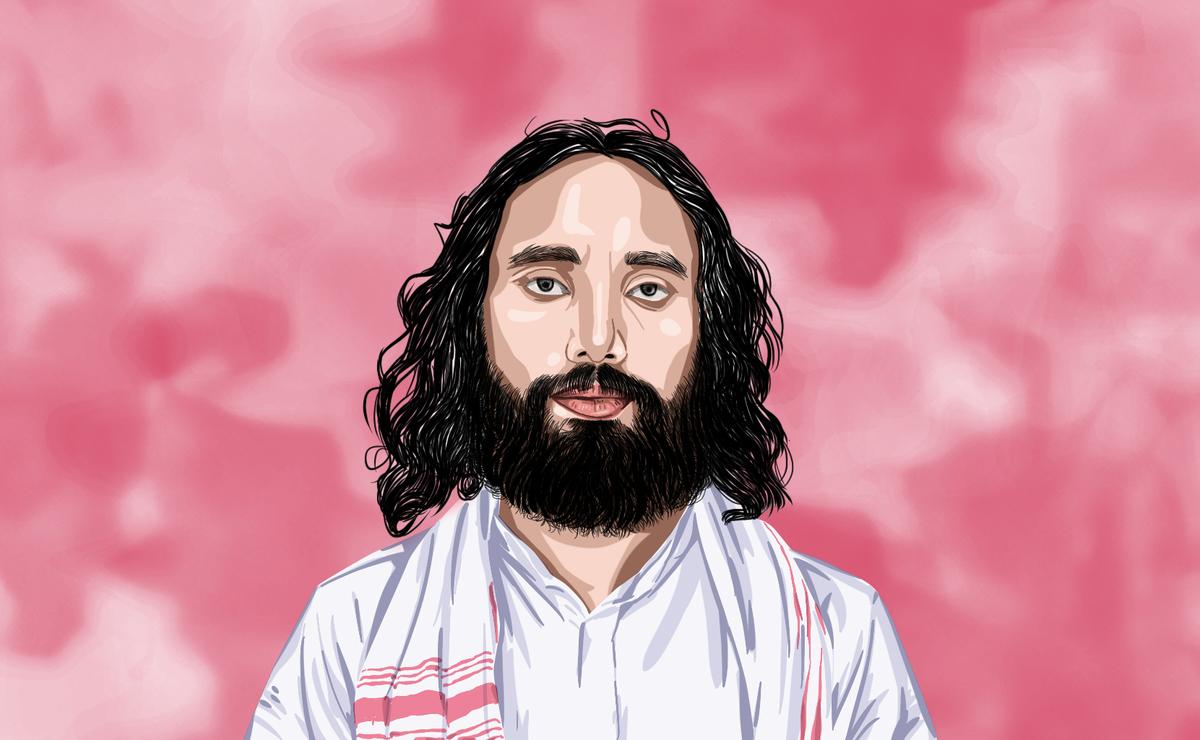
The intense wave of Jharkhand protests reached a significant turning point this week as student leader Devendra Nath Mahto concluded his 16-day hunger strike. The fast, which drew widespread attention to the state’s employment crisis, ended after the government officially agreed to cancel the controversial JSSC-CGL recruitment examination. This major policy shift came as a direct response to persistent demands from thousands of local candidates who had been camping in the streets to voice their frustrations over recruitment irregularities.
Hope returns for Jharkhand protests
While the cancellation of the JSSC-CGL exam marks a massive victory for the demonstrators, the movement remains active. Although Mahto and two other key protest leaders have broken their fasts, a substantial group of students is refusing to head home. Many are now pivoting their demands toward a broader investigation, specifically calling for a CBI probe into systemic corruption that has plagued outsourced recruitment processes within the state since 2014.
The government’s decision to scrap the exam was met with cautious optimism by supporters, including prominent political figures like Rahul Gandhi, who praised the move as a necessary step toward reconciliation. Despite this official concession, the atmosphere on the ground in Ranchi remains tense. Roughly 2,000 students continue to express anxiety over their future career prospects, questioning the underlying failures that led to the exam being cancelled in the first place.
As the state government works to navigate the fallout, the focus has shifted to the long-term integrity of civil service testing. Devendra Nath Mahto described the cancellation as a monumental win for the youth of Jharkhand, yet the ongoing presence of protesters signals that the battle for transparent recruitment is far from over. The state now faces the challenge of replacing the scrapped exams with a system that restores public confidence among its disillusioned job seekers.