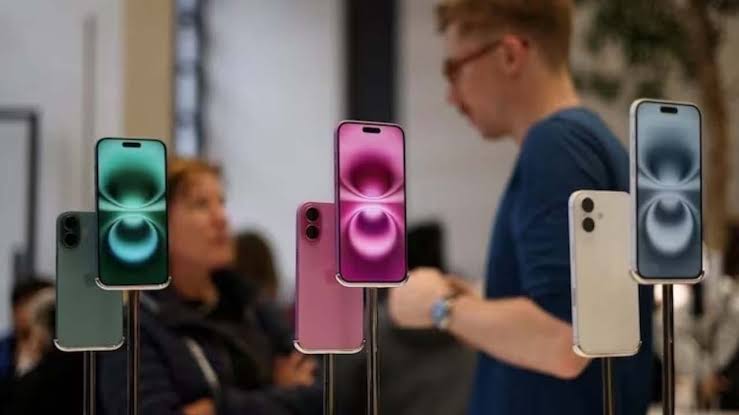
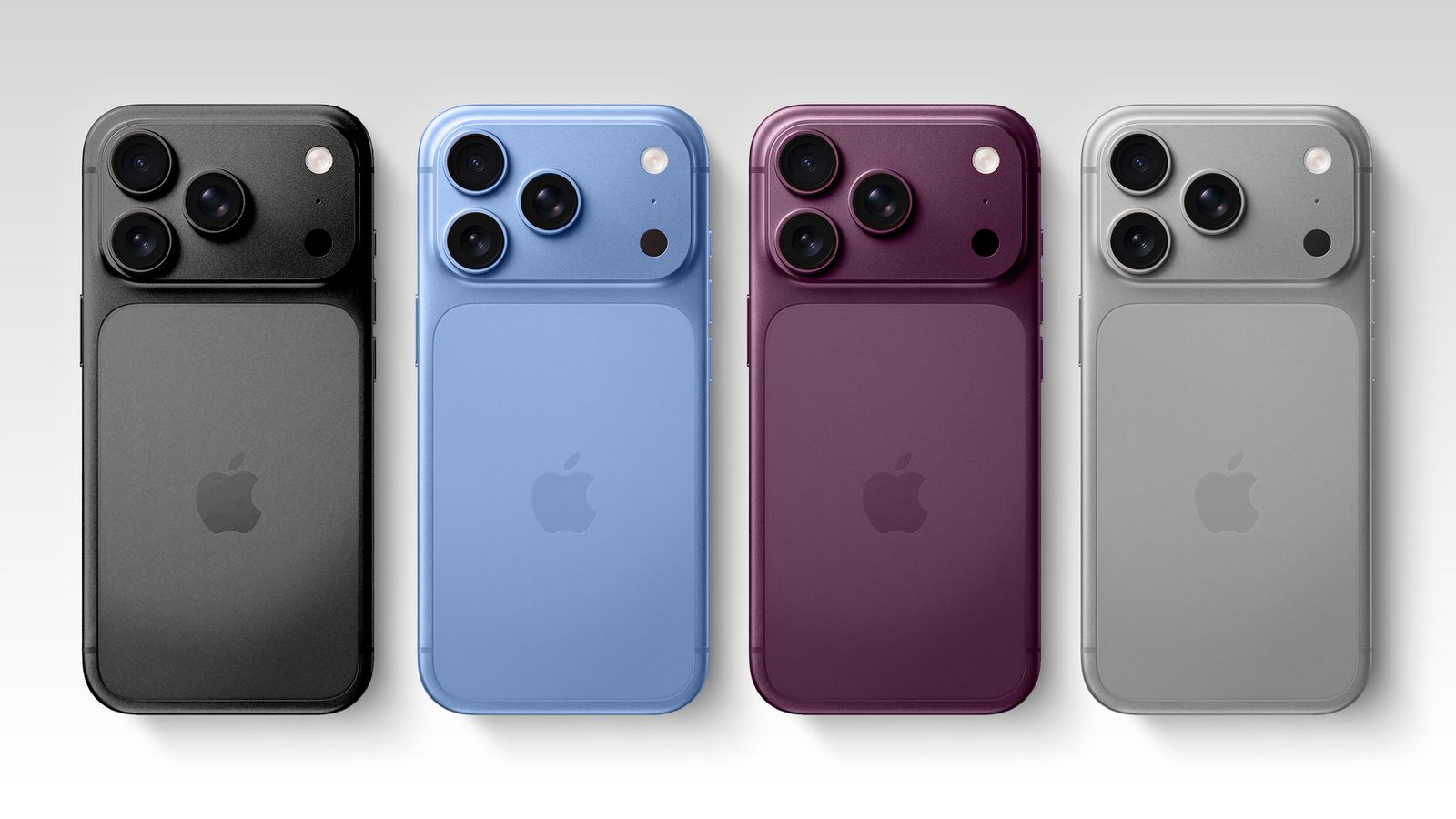
Tech enthusiasts are closely examining the newly released iPhone 18 Pro Max, a device that marks a significant shift in Apple’s mobile strategy by prioritizing high-end utility over mere consumer luxury. For years, the Cupertino-based tech giant marketed its Pro smartphones primarily as premium lifestyle gadgets with advanced multimedia features. However, recent critical assessments indicate that this latest hardware iteration finally equips professionals with a true productivity tool. The handset has already generated substantial market interest globally, recording a notable demand surge of nearly twenty percent in the Indian market as early sales commence.
This evolving device landscape follows a period of rapid innovation and consumer anticipation surrounding Apple’s mobile lineup. Earlier generations successfully established the brand’s dominance in mobile photography and processing power, yet power users frequently demanded deeper operational control and better integration with professional workflows. Alongside the official product rollout, tech analysts have tracked various industry developments, including ongoing discussions regarding display quality, international availability in regions like Ukraine, and comparative camera benchmarks against competing flagship devices from Google. Furthermore, early adopters have navigated minor software hurdles, such as addressing a localized Face ID bug and exploring alternative camera applications to maximize the hardware’s physical aperture controls.
At the core of the new Pro Max experience is a refined software and hardware synergy that caters directly to content creators, videographers, and mobile-first professionals. Reviewers have highlighted that Apple has intentionally moved away from purely aesthetic upgrades, focusing instead on sustainable performance, expanded storage configurations, and enhanced manual controls over camera optics. While debate continues regarding hidden speed trade-offs in the highest storage tiers, the overarching consensus points to a more capable device. Users looking for maximal productivity without transitioning to experimental dual-screen or foldable form factors are finding the traditional slab design increasingly appealing.
Looking ahead, the long-term success of this flagship smartphone will likely depend on how effectively Apple addresses initial hardware and software concerns through routine updates. Maintaining consumer trust will require swift patches for reported display anomalies and optimization of advanced camera features to ensure consistent performance across diverse professional use cases. As supply chains stabilize and availability widens to more territories, market observers will monitor whether this utility-focused philosophy becomes the permanent standard for future Apple smartphone generations, ultimately reshaping how premium mobile technology is utilized in professional environments.
Follow us on X (Twitter) for more updates.