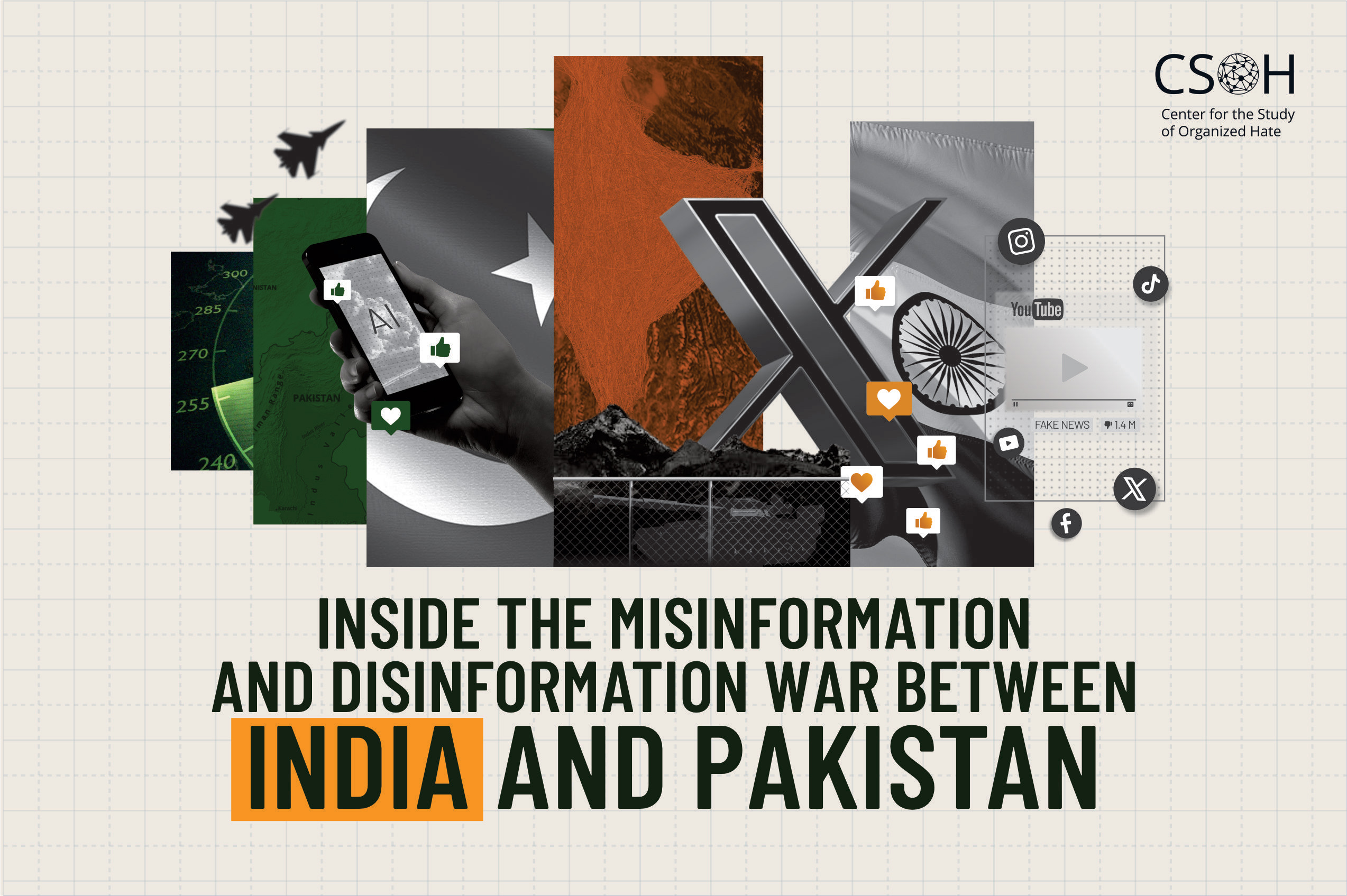
In a bizarre digital chain reaction, Indian misinformation concerning the Iranian nuclear program managed to infiltrate the highest levels of global government, demonstrating how easily social media can manipulate high-stakes diplomacy. Within just eight hours, a fabricated quote attributed to Iranian officials traveled from a single social media account to the platforms of world leaders, illustrating the severe risks of online disinformation in an era of heightened military tensions.
The reach of Indian misinformation
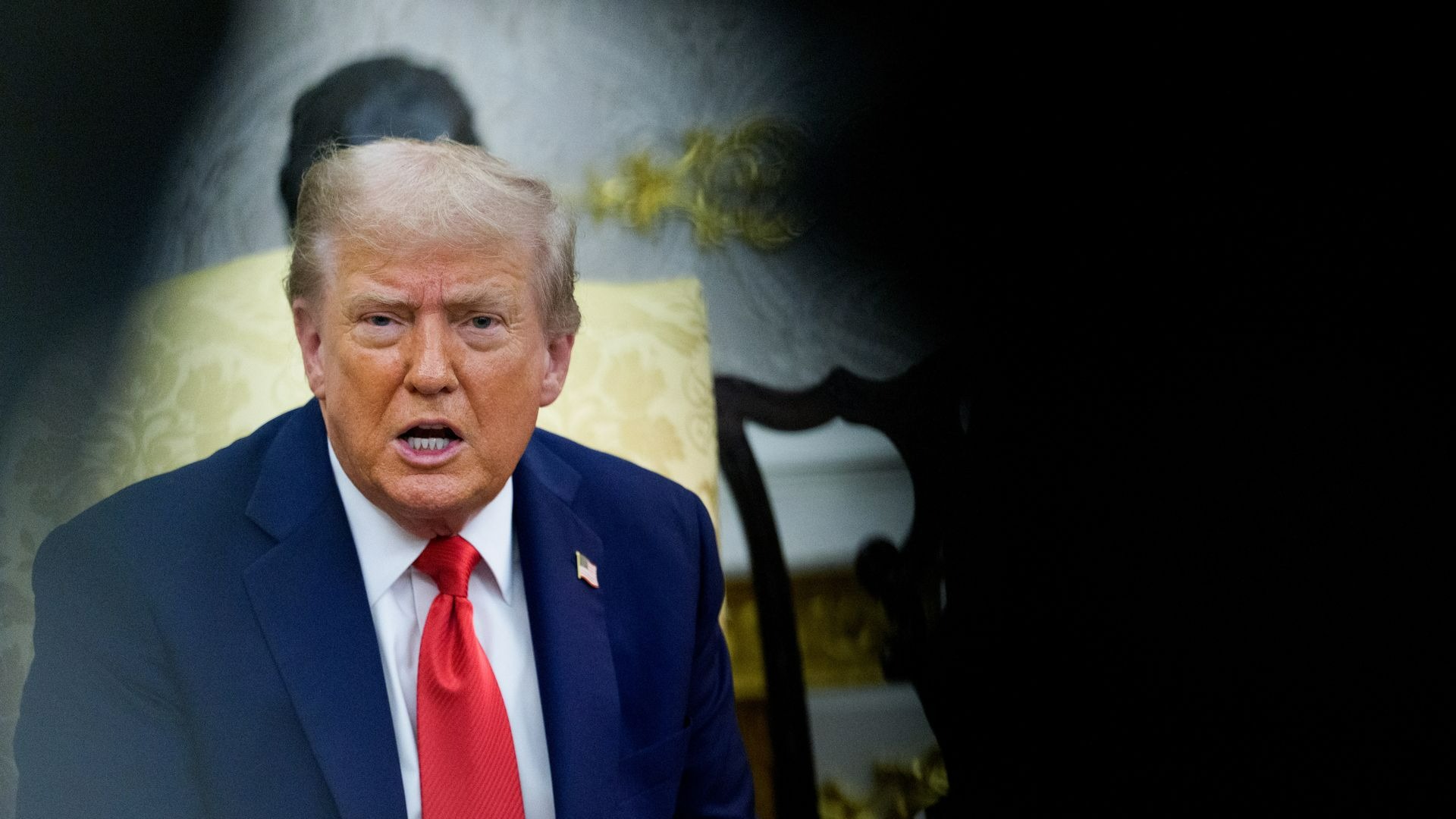
The false claim gained unexpected momentum when it was inadvertently amplified by Prime Minister Benjamin Netanyahu and officials within the Trump administration. As the White House weighed potential new military strikes against Iran, the doctored narrative muddied the waters of international intelligence. This sequence of events forced policymakers to react to entirely baseless threats, even as President Trump publicly weighed the choice between crushing Iran economically or initiating direct, heavy military engagement.
The situation unfolded during a fragile period where President Trump described ongoing diplomatic efforts as a “last chance” for Iran to secure a nuclear deal and avoid further escalation of U.S. airstrikes. Tensions were further complicated by broader regional instability, including Saudi military reports that Houthi attacks near the Yemeni border had left 11 civilians, including a child, injured. Meanwhile, the Pentagon was already under pressure to accelerate weapons production to replenish depleted stocks, a reality that made the threat of war seem increasingly tangible to global markets.
As the international community grappled with these conflicting signals, the market impact became clear when oil prices tumbled following President Trump’s sudden decision to cancel a planned strike in favor of pursuing a nuclear agreement. The incident serves as a stark reminder of how quickly speculative, unverified content can disrupt global security. By the time the dust settled, the focus had shifted from the falsified social media claims back to the volatile, real-world reality of Iranian relations and the persistent threat of regional escalation.