
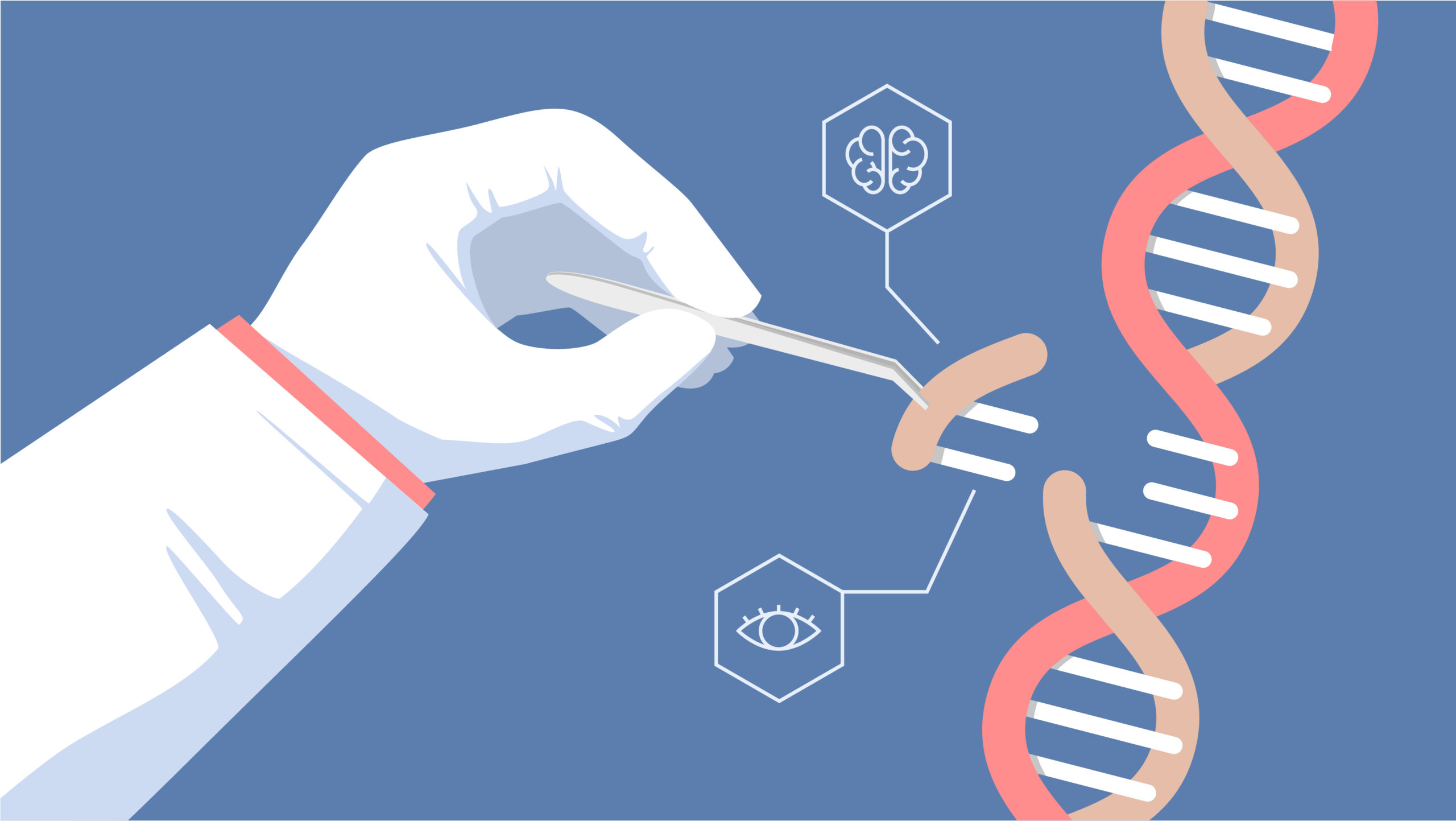
Scientists at the University of California Berkeley and the Innovative Genomics Institute made waves by investigating gene editing through the lens of evolutionary history, discovering a powerful ancestral precursor known as VIPR that predates modern CRISPR systems. This title claim is directly justified by researchers uncovering this ancient genomic tool nestled within viruses, revealing a missing evolutionary link that could fundamentally expand the existing biotechnology toolkit. By tracing the biological origins of microbial defense mechanisms, investigators have opened up an entirely new avenue for manipulating DNA with precision.
Before this recent breakthrough, the scientific community relied heavily on standard Cas proteins and related bacterial immune systems to target and modify specific nucleotide sequences in living organisms. While these established platforms transformed modern biology and medicine—paving the way for landmark therapies such as innovative treatments for sickle cell disease—they left open questions about how such sophisticated mechanisms evolved in nature. Researchers recognized that studying viral genomes might reveal older, simpler versions of these molecular scissors that could offer distinct operational advantages in laboratory settings.
The core update centers on the identification of VIPR, which functions as a potent ancestral genomic tool capable of executing targeted modifications with high efficiency. Researchers at both the University of California Berkeley and the Innovative Genomics Institute detailed how this viral-origin system operates differently from standard bacterial pathways, providing a fresh template for cellular engineering. Laboratory evaluations indicate that this newly highlighted mechanism possesses unique biochemical properties, which could help bypass certain delivery and specificity limitations currently faced by traditional laboratory applications.
Looking toward the future, this discovery is expected to accelerate the development of next-generation biotechnologies by expanding the functional diversity available to molecular biologists. As academic teams and commercial laboratories begin testing these ancestral variants on various model organisms, the scientific community anticipates broader applications across agriculture, therapeutics, and basic research. Ultimately, unearthing these ancient biological pathways demonstrates how looking backward into evolutionary history continues to drive the most advanced technological leaps forward.
For more updates: click here