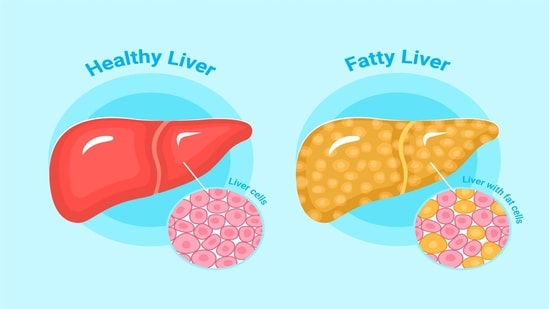
Fatty Liver Disease: Not Just for the Obese. Affecting nearly 30% of the global population, this condition goes beyond body weight metrics. According to the Journal of Hepatology, prevalence is higher in males at 40% compared to females at 26%. Dr. Aasima Boxwalla from Manipal Hospital explains that genetics, environmental factors, and lifestyle choices create a perfect storm for non-alcoholic fatty liver disease (NAFLD), even in lean individuals. Interestingly, around 20% of those with fatty liver disease are classified as lean, as per the journal Biomedicines. This proves that metabolic dysfunction, not just weight, plays a major role.
Causes include insulin resistance, where the body fails to use insulin effectively, leading to fat accumulation in the liver. Systemic inflammation and excess calories also contribute. Lean individuals may have higher visceral fat, which increases liver fat and insulin resistance, as shown in a study from the Journal of Gastroenterology and Hepatology. Dietary improvements are key, focusing on quality over calorie reduction. Experts recommend increasing protein from fish, legumes, and poultry, along with healthy fats like olive oil. Reducing refined sugars and opting for low-glycemic carbs can also help.
Exercise, both aerobic and resistance training, is crucial. It improves insulin sensitivity and enhances fat oxidation, reducing liver fat. Even without weight loss, a nutrient-rich diet can improve liver function markers, as noted in recent studies from the Journal of Clinical and Experimental Hepatology. This complex link between fatty liver disease and body weight underscores the need to focus on metabolic health, diet, and lifestyle. While BMI offers some insight, it is not the sole measure, and proper medical advice remains essential for diagnosis and management.