Export Stocks: 3 Indian Companies Set to Gain From US Trade Deals
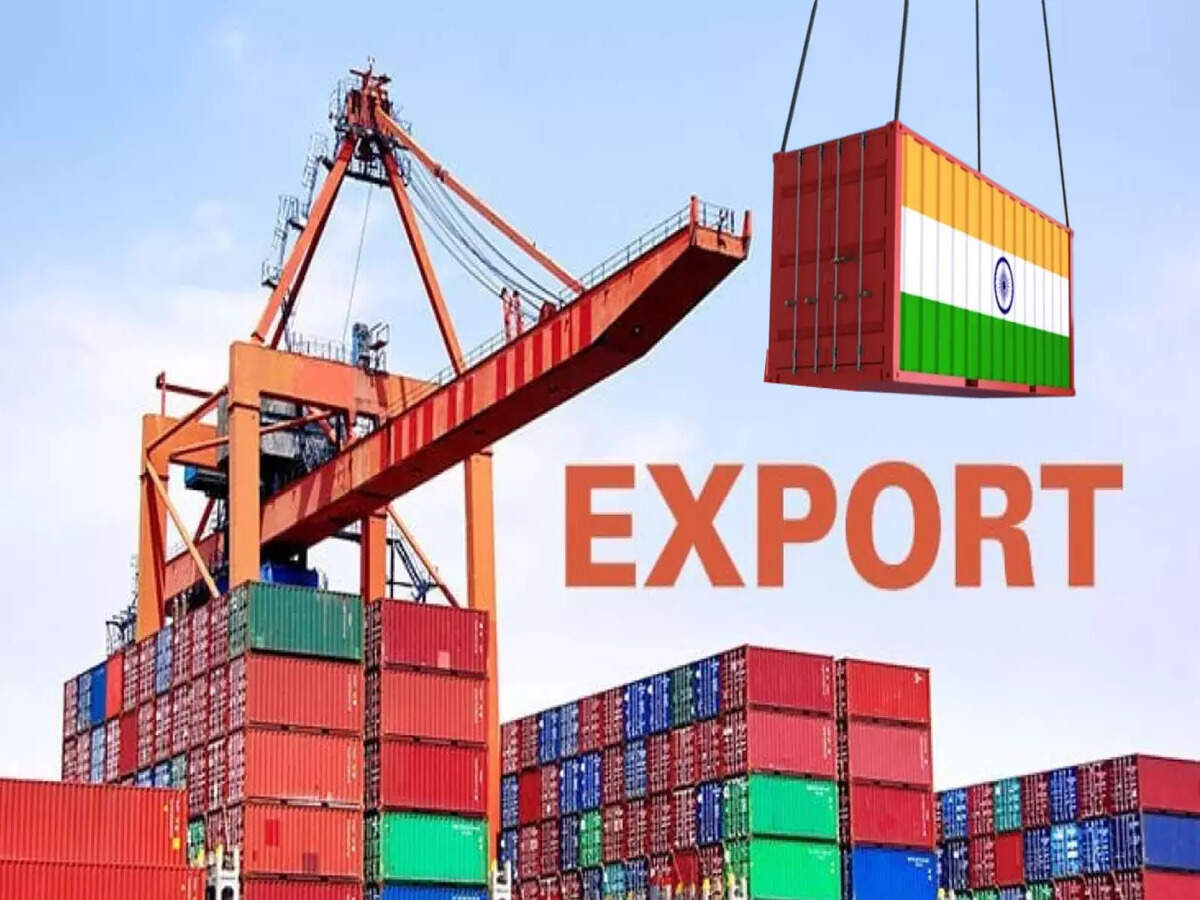
Investors monitoring international trade developments are increasingly focusing on select **export stocks** as potential beneficiaries of shifting macroeconomic policies between New Delhi and Washington. Recent financial analyses highlight three prominent Indian companies operating in the global marketplace that could experience significant valuation tailwinds should a comprehensive bilateral trade agreement materialize between the two nations in the near future.
The prospect of enhanced trade relations comes at a critical juncture for emerging market economies navigating complex global supply chains and fluctuating tariff structures. Historically, trade pacts between major democracies have served to reduce friction, lower entry barriers for manufacturing goods, and streamline regulatory compliance for cross-border transactions. Market participants have closely watched these diplomatic and economic dialogues, anticipating that reduced trade friction could directly improve profit margins for firms heavily reliant on foreign revenue streams.
According to recent market evaluations, the three identified equities span key sectors including technology services, specialized manufacturing, and pharmaceutical production, all of which maintain substantial exposure to North American consumer and enterprise markets. Companies with established distribution networks and robust compliance infrastructures in the West are typically best positioned to capitalize on policy shifts. Analysts suggest that these firms could witness accelerated order growth and improved pricing power if trade negotiations successfully lower historical tariff and non-tariff hurdles currently affecting cross-border commerce.
Looking ahead, the realization of these projected benefits will largely depend on the specific terms negotiated within any future trade framework, as well as broader currency movements and global demand trends. While regulatory hurdles and political negotiations can introduce delays, long-term investors remain attentive to structural catalysts that could enhance the competitive positioning of Indian enterprises abroad. As macroeconomic conditions evolve, market observers will continue to track how these specific equities adapt to changing international trade dynamics and regulatory standards.