Ellyse Perry Fitness: Australia’s Risk for Must-Win World Cup Final
Subheading 1: The Stakes of Ellyse Perry Fitness in a World Cup Decider
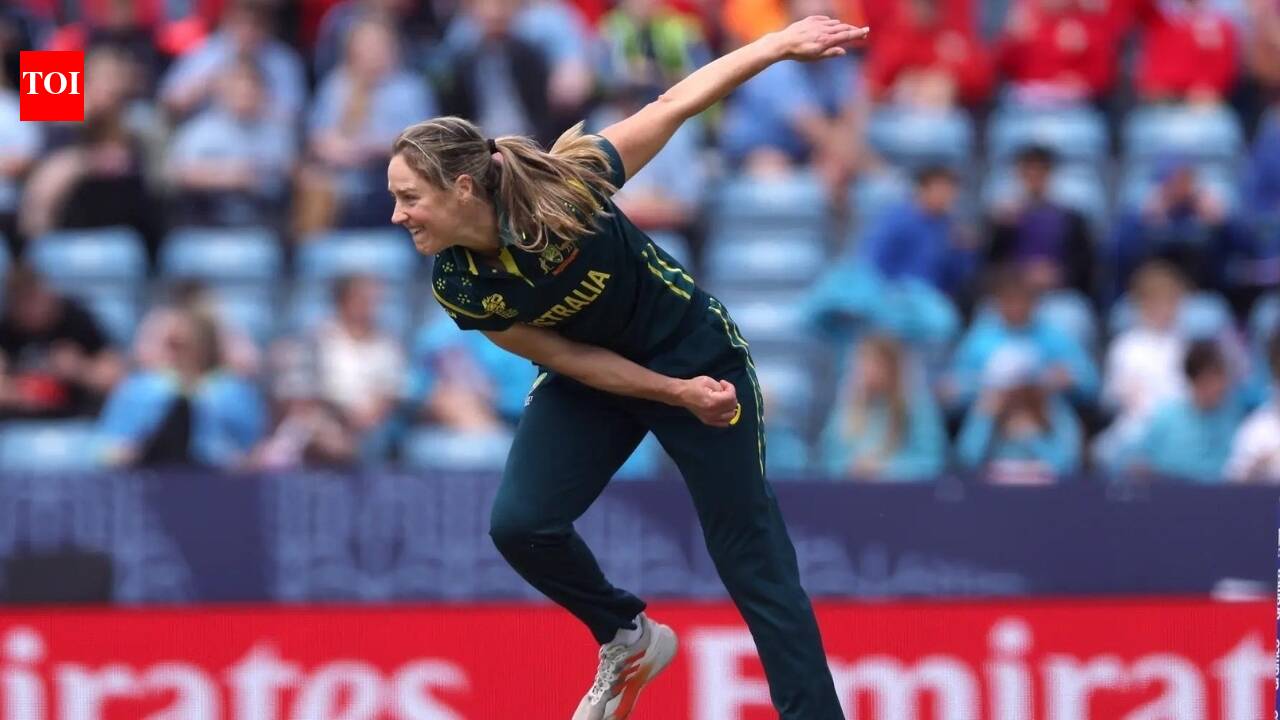
As the ICC Women’s T20 World Cup reaches its thrilling climax at Lord’s on Sunday, all eyes turn to one of cricket’s most iconic figures: Ellyse Perry. Australia faces a must-win final, but the team’s chances hinge heavily on Ellyse Perry fitness. The all-rounder, a linchpin in Australia’s batting and bowling lineup, is racing against time to recover from a minor quad injury sustained during the semi-final against West Indies. Head coach Shelley Nitschke has admitted that the team is prepared to take a calculated risk, potentially fielding Perry even if she is not at 100 percent—a decision that underscores the immense value she brings to the squad and the high stakes of a World Cup final.
Perry retired hurt during Australia’s semi-final win at The Oval after facing just seven balls. The team described the issue as “minor quad awareness,” emphasizing that she walked off as a precautionary measure, given Australia was in firm control of the match. While this cautious approach made sense in a semi-final, the dynamics shift dramatically in a final. The Ellyse Perry fitness situation now becomes a delicate balancing act between risk and reward, as Australia weighs the potential for further injury against the need for her match-winning contributions.
Subheading 2: The Coach’s Perspective on Ellyse Perry Fitness
Speaking to reporters on Thursday, Nitschke revealed that Australia had not trained since the semi-final, leaving the team with no clear update on Perry’s condition. However, she acknowledged that a World Cup final changes how fitness is evaluated. “Yeah, potentially,” Nitschke said when asked if Perry could play without being fully fit. “I think there’s still certain things that she wants to be able to do as well, [to] be able to still contribute to the team and hold her own, whether that’s in the field or running between the wickets. But there is that element of, this is a World Cup final, so what’s our tolerance there? So certainly a slightly different lens than perhaps some other times.”
This openness to risk highlights the unique pressure of a final. Ellyse Perry fitness is not just about her physical readiness; it’s about her ability to execute key roles—batting in the middle order, bowling crucial overs, and fielding in high-pressure moments. Nitschke stressed that the team remains hopeful, saying, “Hopefully she’s come through okay and is available on Sunday. We don’t really have a clear picture of what that looks like. We’re confident, but just not completely 100 percent sure of how that’s gone at the moment.”
Subheading 3: Perry’s Tournament Impact and the Risk of Losing Her Edge
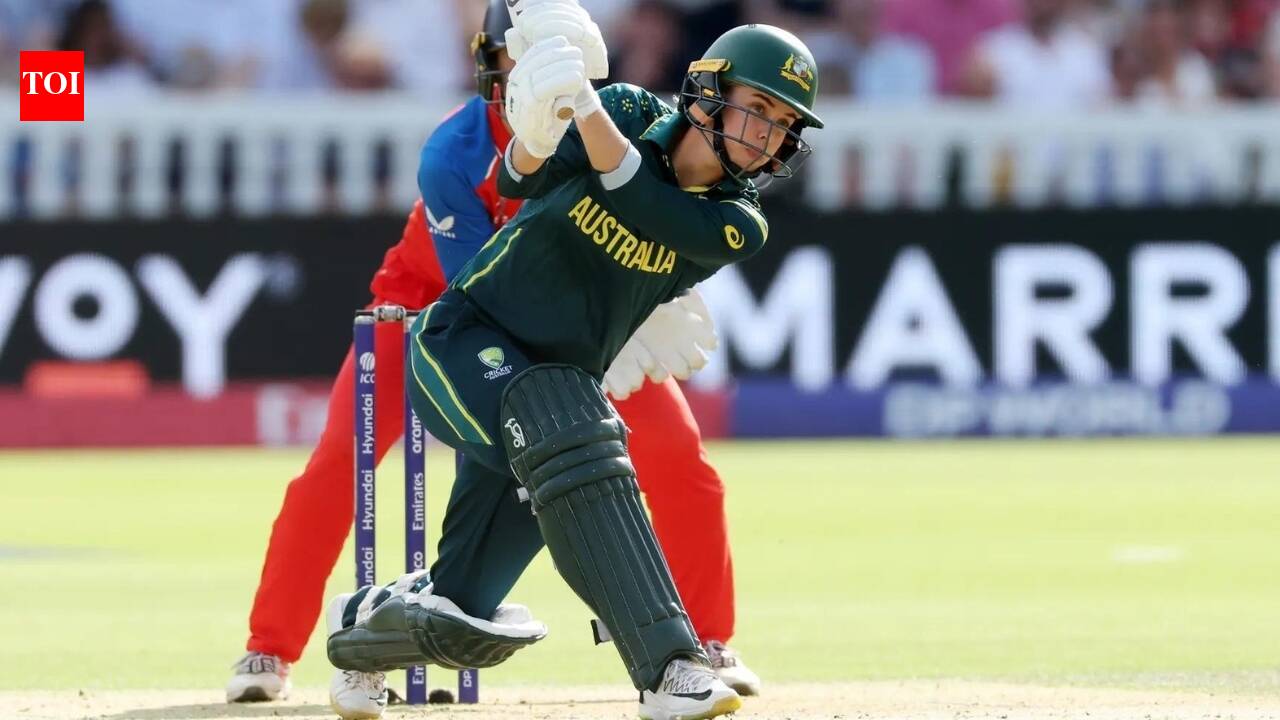
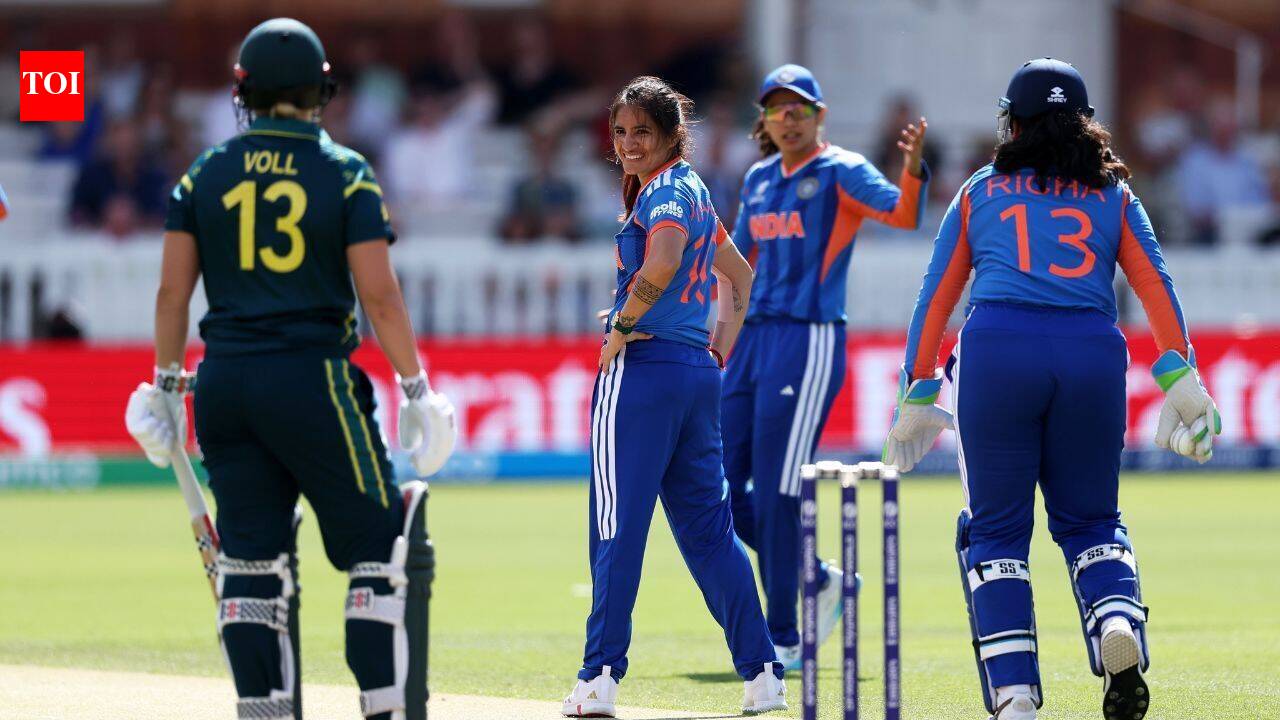
Perry has been Australia’s leading run-scorer in the tournament, amassing 185 runs at an average of 46.25 and a strike rate of 135.03. Her half-centuries against Pakistan and India—including a blistering 38-ball 56 against India that guided Australia to victory and ended Harmanpreet Kaur’s team’s campaign—demonstrate her ability to anchor innings and accelerate when needed. She has also taken four wickets, proving her value as a dual threat. The Ellyse Perry fitness question is therefore critical: her absence would leave a massive void, but playing her at less than full capacity could risk further injury or a subpar performance that undermines the team’s strategy.
Australia will play their first global tournament final since 2023, and the memory of Perry missing the 2020 Women’s T20 World Cup final at the Melbourne Cricket Ground due to a hamstring injury adds emotional weight. For Perry, this final represents another chance to shine on the biggest stage—but only if her body allows. The team’s willingness to gamble on Ellyse Perry fitness reflects both her irreplaceable skill and the thin margins between victory and defeat in a final.
Subheading 4: The Final Verdict: Balancing Risk and Reward
As Sunday approaches, Australia’s medical staff will work closely with Perry to assess her readiness. The decision will likely come down to a practical evaluation: can she bat, bowl, and field at a level that contributes to the team without exacerbating the injury? Nitschke’s comments suggest that the team is prepared to accept some limitations, as long as Perry can still “hold her own.” This pragmatic approach—prioritizing the final’s outcome over long-term caution—underscores the unique nature of a World Cup finale.
In conclusion, Ellyse Perry fitness is the defining narrative of Australia’s campaign heading into the final. Her tournament-leading stats and proven big-match temperament make her an asset worth risking, but the line between calculated risk and reckless gamble is razor-thin. For Australia, the answer lies in trusting Perry’s resilience and the team’s support system. Whether she takes the field at Lord’s or remains on the sidelines, the focus on Ellyse Perry fitness reminds us that in cricket, as in life, the biggest moments demand bold decisions. The world will be watching to see if Australia’s risk pays off.