Doctors explain why children are more vulnerable to severe malaria: Risks and monsoon dangers
Doctors explain why children are more vulnerable to severe malaria: With monsoons settling in, malaria cases are rising, and children face heightened risks. Experts say the mosquito-borne disease can be life-threatening for this age group due to biological and behavioral factors, making timely intervention critical.
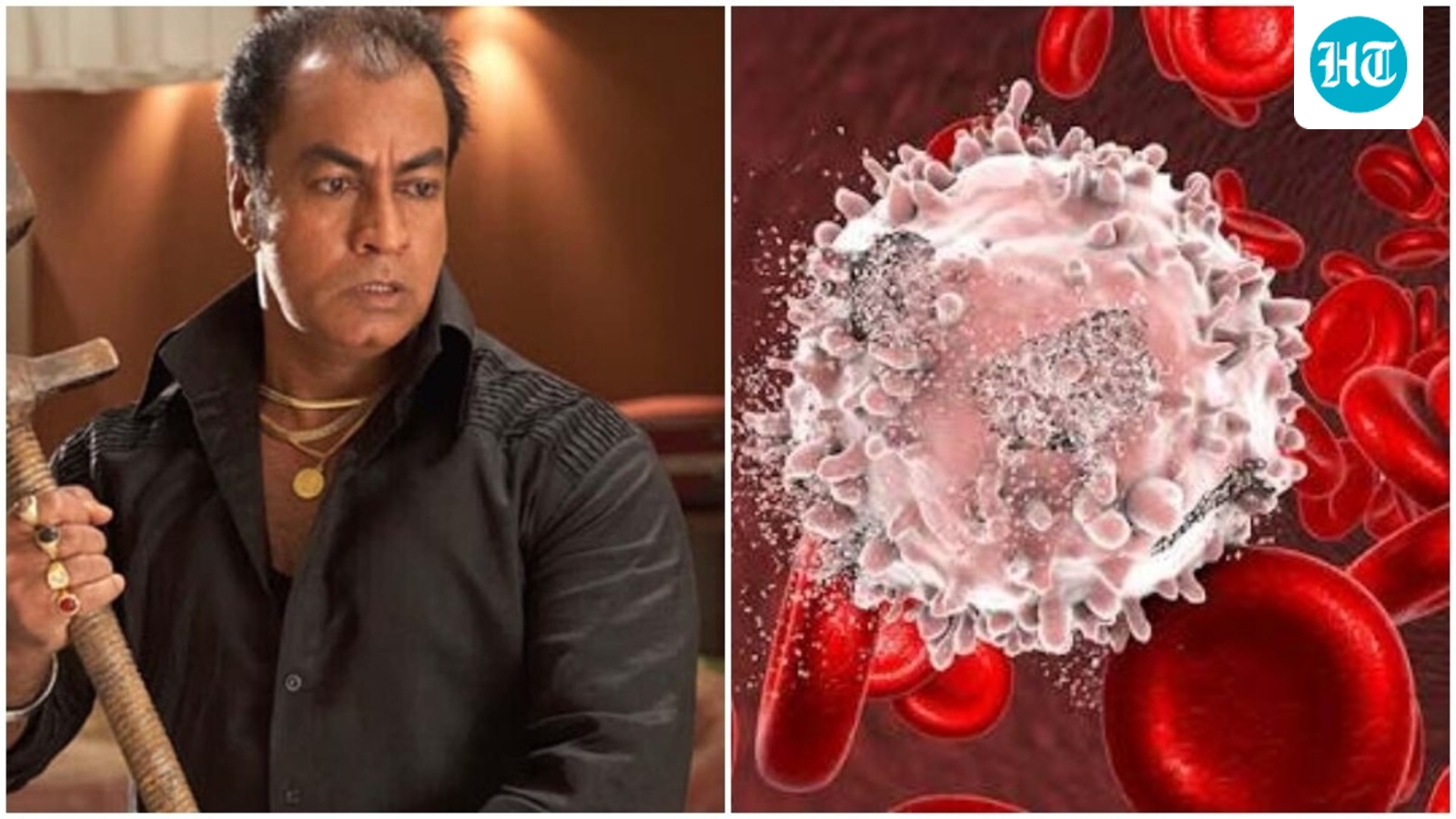
According to Dr Ankur Ohri, a general pediatric consultant at Madhukar Rainbow Children’s Hospital, malaria parasites destroy red blood cells, reducing oxygen supply. A child’s smaller body reserves and higher metabolic rate worsen the impact. Dr Amit Prakash Singh, internal medicine consultant at CK Birla Hospital, Delhi, adds that children’s developing immune systems lack immunity adults gain through repeated exposures. Additionally, spending more time outdoors means children rely on caregivers to recognize symptoms, leading to delayed diagnosis.
Doctors explain why children are more vulnerable to severe malaria by highlighting rapid parasite multiplication. This causes severe anaemia, breathing difficulties, low blood sugar, and cerebral malaria, which can result in seizures or permanent brain damage. Early symptoms like fever, fatigue, and vomiting are often mistaken for common illnesses, accelerating disease progression. Preventive measures such as insecticide-treated bed nets, mosquito control, and early treatment are vital.
In conclusion, understanding why children are more vulnerable to severe malaria emphasizes the need for vigilance during monsoons. Timely medical care and prevention can reduce complications and save lives. This article is for informational purposes only.