Sonam Wangchuk: Will Center Accept Demands in NEET Case?
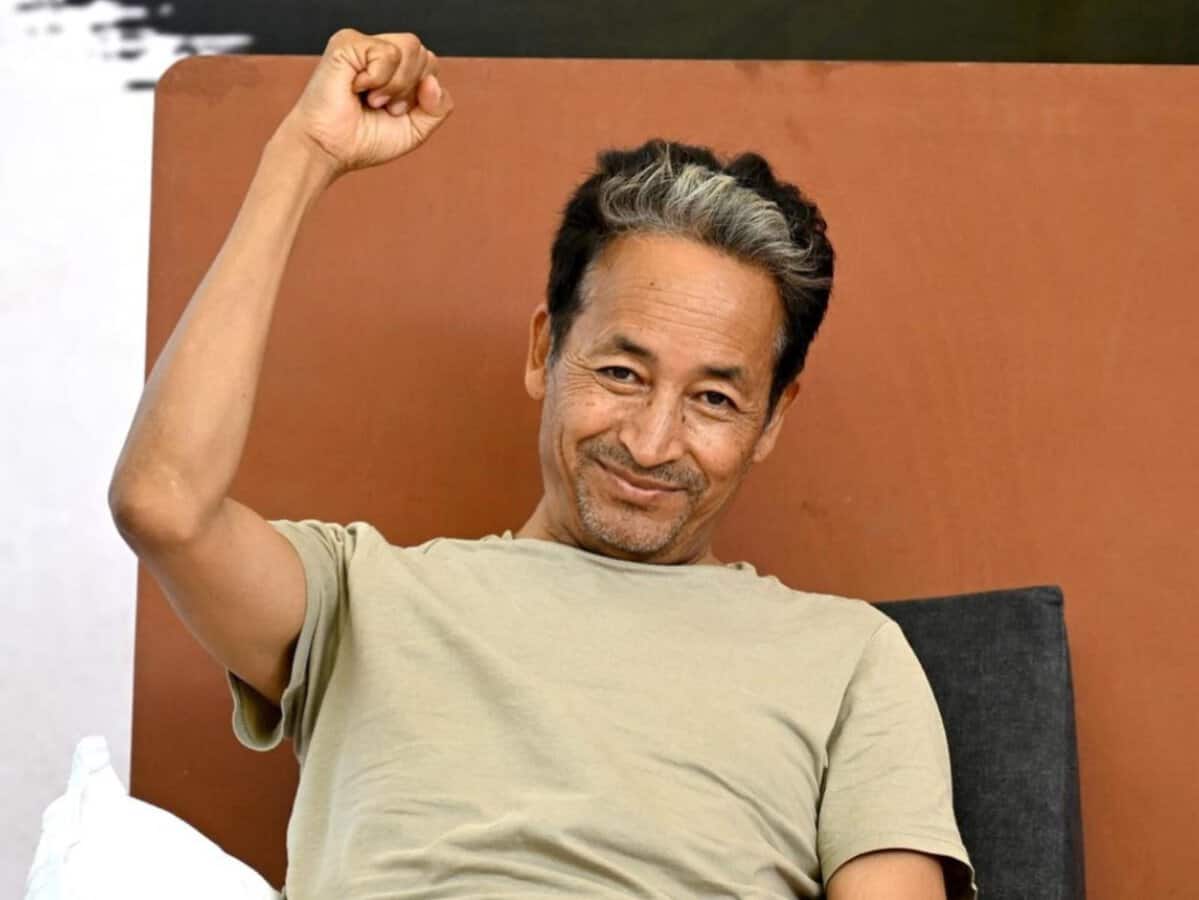
Sonam Wangchuk: The center must respond clearly to the demands in the NEET case. The activist’s indefinite hunger strike, now in its advanced stage, has drawn national attention. Wangchuk was hospitalized after his condition deteriorated, but he remains firm on his key demand: a written guarantee from the government that no legal cases will be filed against students who participated in protests related to the NEET paper leak. He has rejected verbal assurances, insisting on a concrete promise.
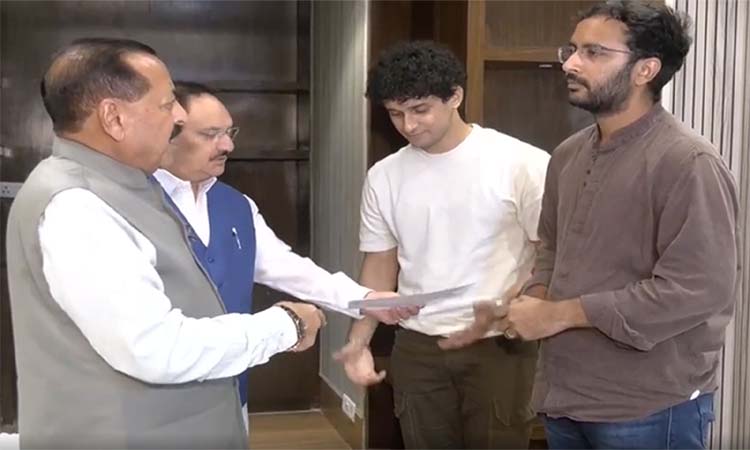
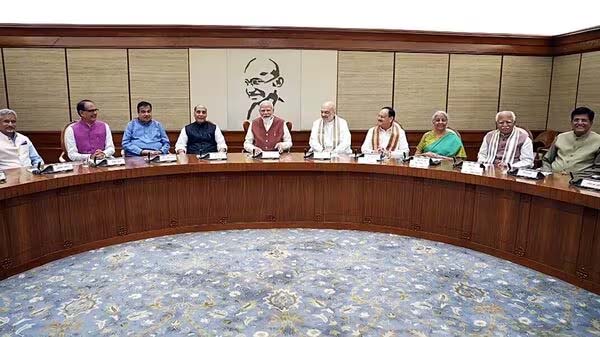
The Sonam Wangchuk case has escalated politically. Following his hospitalization, Union Ministers JP Nadda and Jitendra Singh personally visited him, urging him to end his fast. They highlighted the government’s recent actions, including accepting the resignation of Education Minister Dharmendra Pradhan. However, Wangchuk stated these moves are not enough. In a letter, he revealed that while the government promised compensation to families of students who died by suicide, written legal protection for protesting students remains absent.
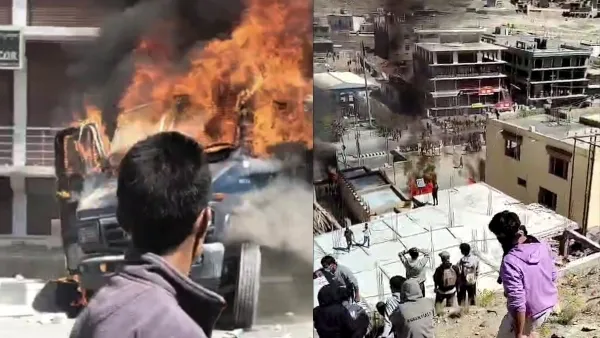
During the movement, Wangchuk has received appeals from 65 MPs to stop his fast. Despite his emotional plea that he wishes to return to teaching healthy, he made it clear that his fight continues. He criticized the excessive police action during the July 20 ‘Chalo Sansad’ march, arguing that students who protested peacefully should not face legal cases. He stressed that his responsibility is to ensure no student is trapped in litigation, making the Sonam Wangchuk movement a matter of student justice.
In conclusion, the Sonam Wangchuk protest highlights a critical gap between government actions and student safety. While the Center has shown some responsiveness, including ministerial visits and promises, the activist’s demand for a written legal guarantee remains unfulfilled. Until such assurance is provided, the fight for students’ future will not end, as Wangchuk has vowed to continue unless his core demand is met.