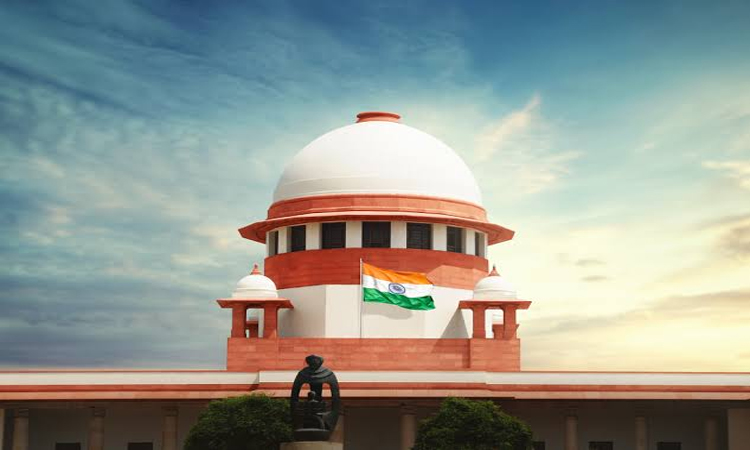
A gavel and a name plate with the engraving Death Penalty
Supreme Court Rejects Plea to Abolish Death Penalty by Hanging
A gavel and a name plate with the engraving Death Penalty
The Indian Supreme Court has officially rejected a petition seeking to abolish the death penalty by hanging, maintaining the current judicial status quo for capital punishment. The bench declined to replace the traditional method with alternatives such as lethal injection, shooting, or electrocution. Despite arguments that hanging is cruel and inconsistent with a modern, scientific approach to justice, the top court ruled that the existing legal framework will remain firmly in place for now.
The Future Of Death Penalty
The legal challenge pushed for the court to recognize more “painless” ways of ending a life, arguing that the state should move toward modern medical procedures. However, the Union government resisted these changes, and the judges ultimately chose not to interfere with the current sentencing protocols. The court maintained that the law regarding execution methods is a matter for the legislature to determine, keeping the current process unchanged for those on death row.
While the court dismissed the immediate request for a transition to lethal injection, it did not completely slam the door on future discourse. The justices signaled that they remain open to evaluating new, scientifically validated data if it is presented in the future. By holding this position, the court has effectively placed the burden on petitioners to provide concrete, irrefutable evidence before any shift in execution methodology can be seriously considered by the judiciary.
This decision reaffirms that hanging remains the constitutional standard for executions in India. For the time being, the judiciary has prioritized legal consistency over the proposed technological overhaul of capital punishment. The ruling ensures that death-row procedures continue exactly as they have, with the court choosing to maintain existing traditions until a more compelling, evidence-based case for change is brought before the bench.