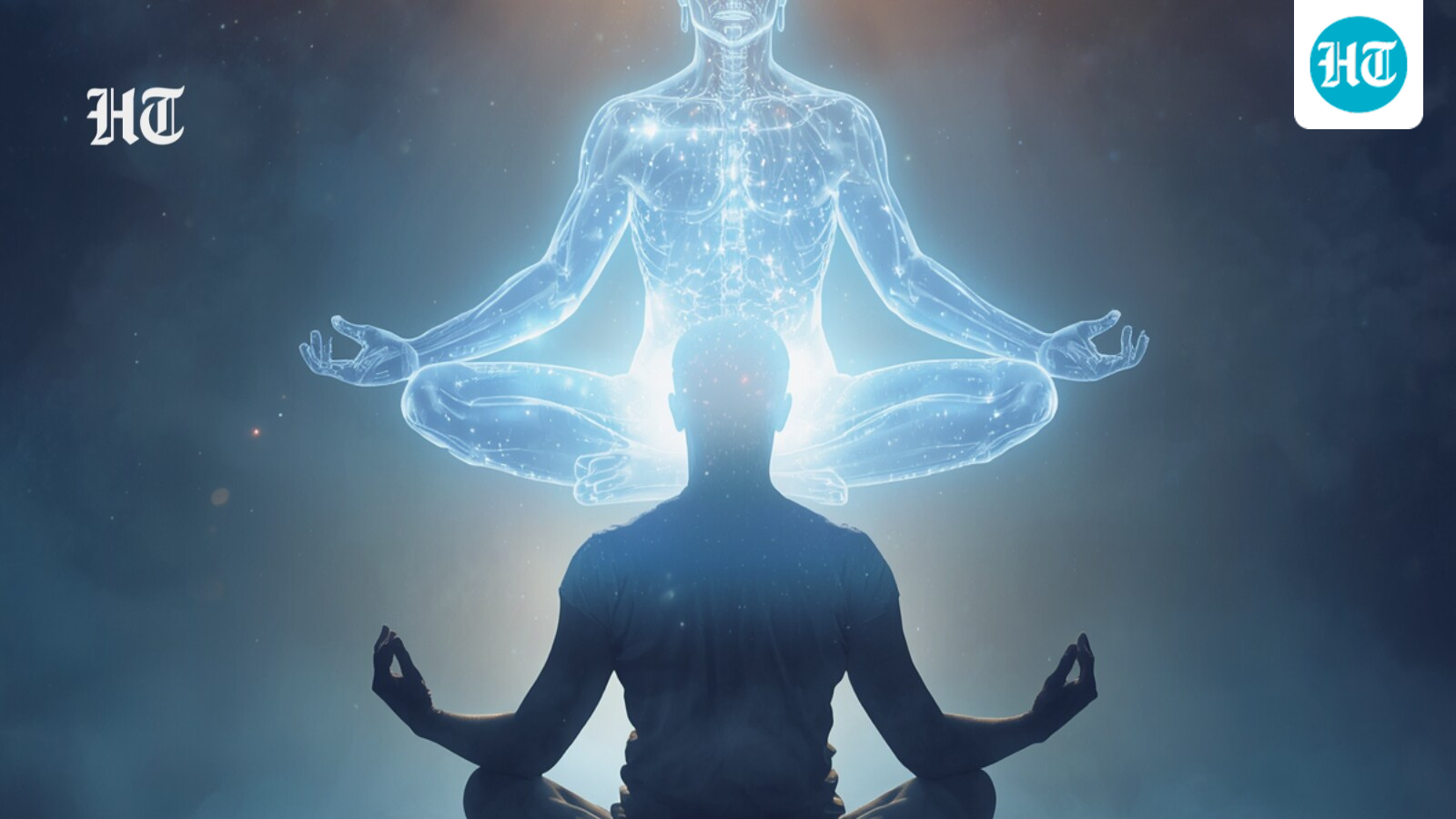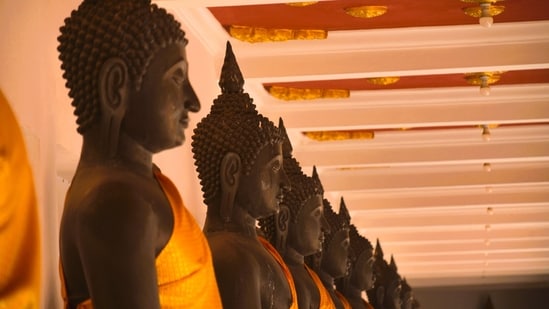

Buddhist traditions: Why ancient meditation still matters. While modern wellness apps make meditation easy to access through guided breathing and sleep stories, many users eventually seek deeper, older practices. These spiritual traditions offer more than relaxation—they provide a philosophy of living and self-inquiry that apps cannot replicate.
Dr. Judson Brewer, a neuroscientist at Brown University, explains that meditation is not about eliminating anxiety. It’s about changing our relationship with our thoughts and habits, he says. This core idea has always been central to Buddhist traditions, which teach awareness rather than escape. Jack Kornfield emphasizes that the goal is not to stop thinking, but to observe thoughts with kindness. Sharon Salzberg adds that cultivating compassion is as important as attention, especially during stressful times.
Hindu philosophy also treats meditation as a lifelong discipline, not a quick tool for productivity. According to Dr. Edwin Bryant of Rutgers University, practices like dhyana and mantra meditation are part of a broader path toward self-understanding. Zen meditation, or zazen, follows a similar approach. Roshi Joan Halifax encourages staying present even in uncertainty, building resilience rather than chasing calm.
In conclusion, ancient meditation methods continue to attract people because they offer community, purpose, and a deeper connection to life. Buddhist traditions remind us that true meditation transforms how we live, not just how we relax.