Apple Pay in India: Why Axis Bank Beat HDFC and SBI to Launch First
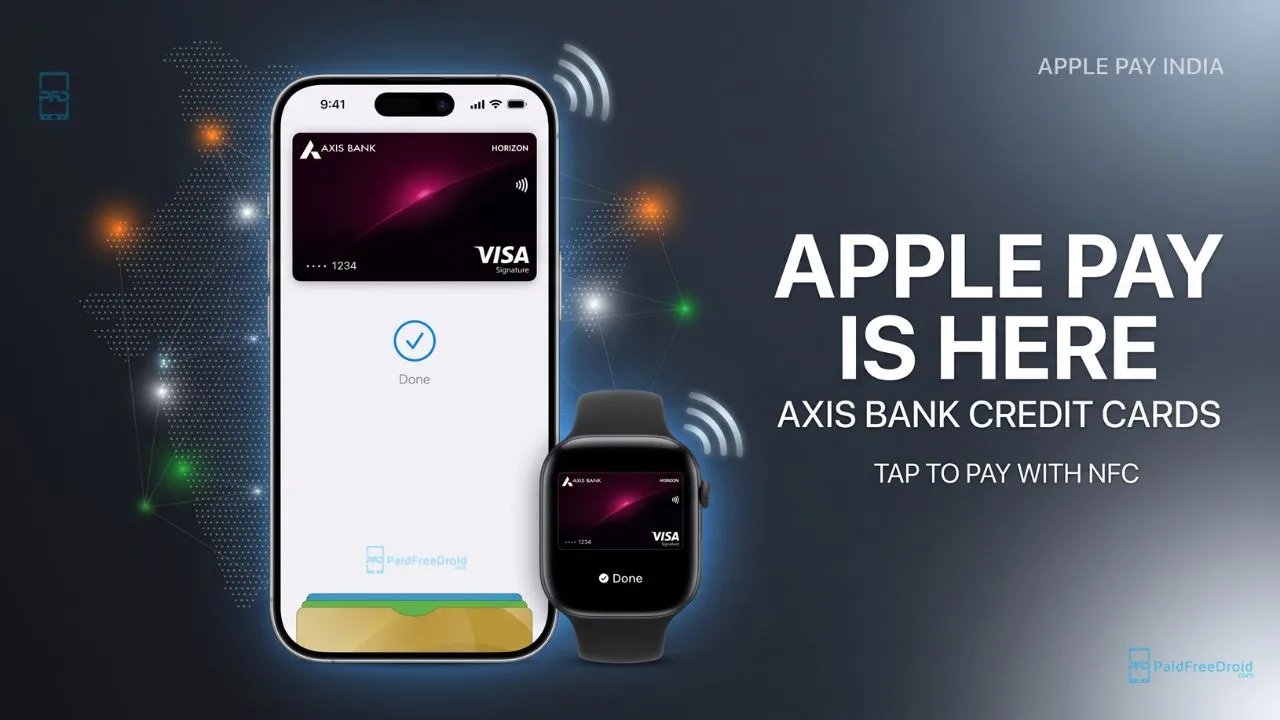
The landscape of digital transactions in the South Asian subcontinent has shifted significantly following the official introduction of a globally recognized contactless payment service from Cupertino. While industry observers anticipated that legacy financial institutions with the largest card bases, such as the State Bank of India, HDFC Bank, and ICICI Bank, would spearhead the launch, a different private sector lender emerged as the exclusive initial partner. This development marks a major milestone for iPhone users in the region who have waited years to provision their plastic cards directly into their digital wallets for tap-and-go purchases at retail terminals.
Industry analysts and market watchers have closely examined the strategic choices that led to this specific partnership. Financial institutions in the region operate within a complex regulatory environment governed by the central bank, which mandates stringent tokenization standards and localized data storage protocols. While larger competitors adopted a cautious approach regarding commercial terms and technical integration timelines, the chosen private sector bank moved swiftly to align its infrastructure with the requirements necessary to support the digital wallet framework. This agility allowed them to secure a first-mover advantage in the lucrative ecosystem of premium smartphone users.
The initial rollout supports Visa and Mastercard credit and debit cards issued by the participating financial institution, enabling seamless transactions at millions of point-of-sale terminals nationwide. Consumers can now add their supported payment instruments to their Apple devices and authenticate transactions using biometric security measures such as Face ID or Touch ID. Despite the massive popularity of the unified payments interface across the country, this development provides an alternative contactless payment mechanism for individuals who prefer utilizing tokenized card credentials for their daily commerce needs.
As the service establishes its footprint in the local market, other major financial institutions are reportedly reassessing their integration strategies to join the platform in subsequent phases. Market competition is expected to intensify as additional card issuers complete the necessary technical preparations to onboard with the technology giant. For now, the pioneering private sector lender enjoys an exclusive window to capture brand loyalty among affluent consumers who prioritize mobile-first financial solutions in their daily routines.