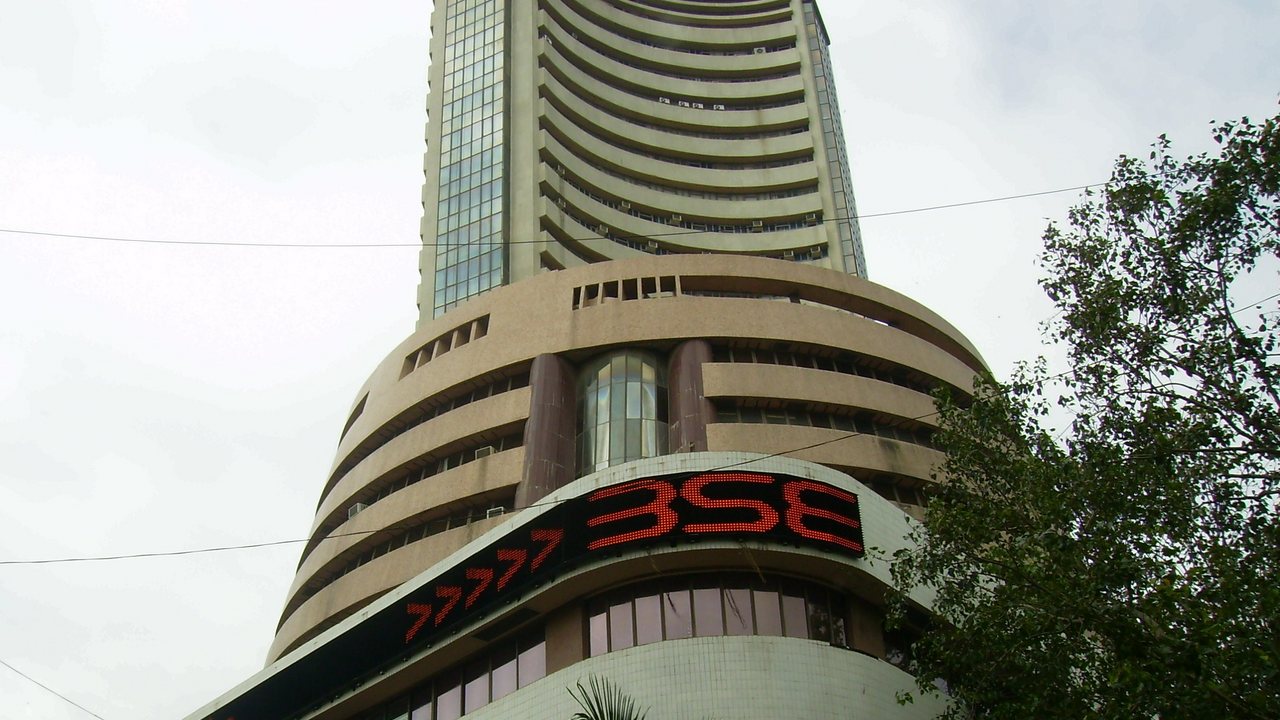
Here is the latest on Sensex Week. The domestic equity markets wrapped up a volatile trading week on a dismal note, with the benchmark indices sliding back into negative territory as a promising midweek recovery rally completely lost its steam. Investors who had hoped for a late-week rebound faced renewed selling pressure across heavy-weight sectors. Market analysts note that cautious institutional flows and prevailing headwinds in global financial corridors heavily impacted trader sentiment. Both retail investors and high-net-worth individuals closely monitoring their portfolios saw fluctuating green indicators dissolve into deep red closures by Friday afternoon trading bells.
During the earlier sessions of the week, domestic indices attempted a sharp technical pullback, drawing optimism from dip-buyers and short-covering moves. However, this midweek rally proved short-lived as persistent profit-booking at higher levels overwhelmed the buying interest. Key constituents in the banking, information technology, and energy segments experienced heavy liquidation. Market breadth remained firmly skewed in favor of bears, reflecting deep-seated anxiety regarding macroeconomic adjustments, foreign institutional investor (FII) outflows, and currency fluctuations. The abrupt reversal trapped several short-term traders who had anticipated a sustained breakout.
Global Cues and FII Outflows Drive Weekly Losses
The primary catalyst behind the market’s inability to hold onto its midweek gains stemmed from a combination of adverse international cues and relentless foreign capital pullbacks. Overseas investors have maintained a cautious stance on emerging markets, reallocating capital toward safer treasury yields and developed economies. Furthermore, mixed macroeconomic data from major Western markets created a ripple effect across Asian exchanges. As foreign institutional investors continued their selling streak in domestic equities, local institutional support proved insufficient to absorb the continuous supply of heavy-weight scrips.
Sector-wise performance highlighted widespread vulnerability, with defensive sectors also failing to provide a reliable cushion against the broader market downdraft. Real estate, consumer durables, and capital goods counters bore the brunt of the late-week sell-off. Retail participants navigating mutual fund SIPs and direct equity exposures are now re-evaluating their risk management strategies. Financial advisors recommend maintaining a long-term investment horizon and avoiding panic-driven exits despite the sudden volatility seen across the trading screens.
Market Index
Weekly Open
Weekly Close
Net Trend
BSE Sensex
Volatility High
Negative Close
Bearish Reversal
NSE Nifty 50
Midweek Recovery
Red Territory
Downward Drift
Bank Nifty
Sector Pressure
Sharp Decline
Underperformer
Strategic Outlook for Retail Investors Moving Forward
Navigating structural volatility requires a disciplined approach, especially when market rallies fail to sustain momentum. Financial planners urge investors to look past weekly price fluctuations and focus on fundamental asset quality. Diversifying portfolios across large-cap leaders, gold exchange-traded funds, and fixed-income instruments can significantly cushion against sudden market corrections. Systematic Investment Plans (SIPs) remain a powerful tool during market downturns, allowing investors to accumulate units at lower average costs.
As the market prepares for the upcoming weekly settlements, participants will keep a close watch on upcoming corporate announcements, domestic inflation metrics, and global central bank commentaries. Technical experts suggest monitoring immediate support and resistance zones on the Nifty charts to gauge potential trend reversals. Maintaining adequate cash reserves can also provide tactical agility to capitalize on fundamentally strong stocks available at discounted valuations during periodic market dips.
Frequently Asked Questions
Why did the Sensex and Nifty end the week in the red?
The indices fell because a temporary midweek recovery rally fizzled out due to heavy profit-booking at higher levels, persistent foreign institutional investor (FII) outflows, and cautious global market cues that triggered late-week selling pressure.
How should retail investors handle sudden market volatility?
Retail investors should avoid panic selling, stick to their asset allocation strategies, and continue their disciplined Systematic Investment Plans (SIPs) to benefit from lower unit costs during market corrections.
What factors typically trigger a midweek rally reversal?
Midweek rallies often reverse when the upward movement is driven primarily by short-covering rather than fundamental buying. When prices reach key resistance levels, traders rush to book profits, overwhelming incoming purchase orders and pushing the market back down.
Prashanth is the editor of PakkaFilmy. He covers Telangana and Andhra Pradesh politics, Telugu and Indian cinema, sports, technology and useful public-interest news in clear, simple English. Every story is checked against available official information before publishing, as set out in our Editorial Policy. Follow PakkaFilmy on X: https://x.com/pakkafilmy007 | Telegram: https://t.me/pakkafilmytelugu | Instagram: https://instagram.com/pakkafilmy_