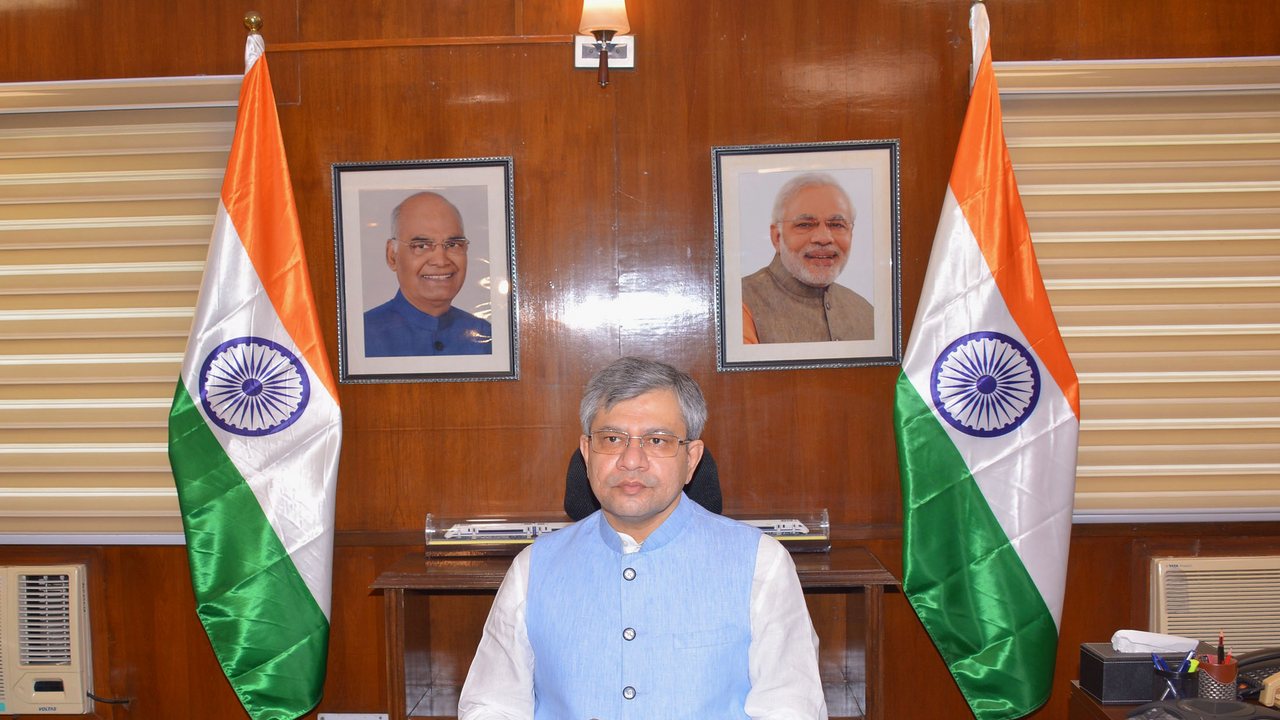
Union Railway Minister Ashwini Vaishnaw has sparked an intense federal infrastructure debate after pointing out a massive bottleneck in southern expansion projects. During a recent review of pan-Indian transport updates, the minister highlighted that authorities in Tamil Nadu have secured only 24 percent of the total land parcels required for core central railway networks. This sluggish pace has directly impacted several sanctioned expansion tracks, leaving multi-crore investments stalled across key commercial corridors.
Despite the state receiving a robust allocation of ₹7,611 crore for the 2026–27 fiscal cycle, ground execution continues to face severe friction. Central authorities noted that nearly 29 distinct rail surveys have already been sanctioned for the region, yet transforming these blueprints into operational tracks hinges entirely on proactive state-level land acquisition support. Local administrative delays have frequently bogged down project timelines, frustrating commuters who anticipate modern connectivity upgrades.
The disclosure has triggered widespread political and economic friction, balancing massive central funding against localized bureaucratic inertia. While regional stakeholders continue to debate cultural and infrastructural priorities—especially following recent controversies surrounding regional festival sentiments—transport experts argue that accelerated land clearance remains the single biggest hurdle. Unless state agencies fast-track administrative clearances, millions of daily travelers may wait significantly longer for upgraded rail corridors and safer transit networks.
Tamil Nadu Railway Land Acquisition
Infrastructure analysts emphasize that federal-state cooperation is non-negotiable for executing heavy civil engineering projects. With substantial capital already earmarked in the national budget, bridging the gap between sanctioned funds and actual execution requires immediate, streamlined administrative intervention from local district collectors.

Prashanth is the editor of PakkaFilmy. He covers Telangana and Andhra Pradesh politics, Telugu and Indian cinema, sports, technology and useful public-interest news in clear, simple English. Every story is checked against available official information before publishing, as set out in our Editorial Policy. Follow PakkaFilmy on X: https://x.com/pakkafilmy007 | Telegram: https://t.me/pakkafilmytelugu | Instagram: https://instagram.com/pakkafilmy_
Related Posts